America Unprepared to Fight Nitazene Synthetic Opioids: DEA Warns
US Falls Behind in Combating Lethal Synthetic Opioids
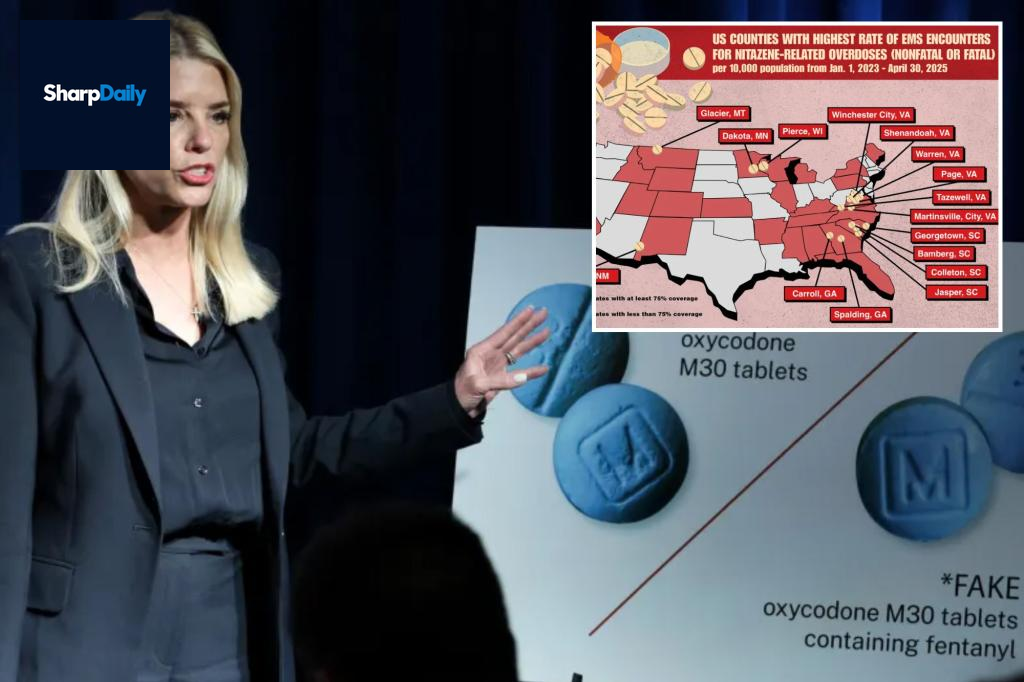
The United States is reportedly lagging in addressing a new and highly dangerous synthetic opioid called nitazenes, which are up to 43 times more potent than fentanyl and can resist common antidotes like Narcan.
As efforts increase to curb fentanyl trafficking—especially across US borders—the drug manufacturing shift towards producing nitazenes is alarming authorities. These substances are often disguised as prescription pills, complicating detection and intervention efforts.

While recent border enforcement initiatives, including President Trump’s efforts, have reduced fentanyl flow, Chinese pharmaceutical companies and drug cartels have begun producing this new, stronger variant. Mexican cartels reportedly finish the chemical synthesis and smuggle it into the US.
Special agent Jonathan Pullen of the DEA highlighted the danger: “Nitazenes are incredibly deadly, and standard treatments like naloxone often don’t work as effectively because of their extreme potency. Overcoming an overdose is very challenging once taken.”
In the Houston area alone, 15 deaths linked to nitazenes and 11 drug seizures have occurred between November and February. Cases involved pills marketed as Xanax or Percocet but laced with N-pyrrolidino protonitazene, a form of nitazenes that is 25 times stronger than fentanyl.

Family members of victims, like Grey Reyes-McCallister, have expressed their resolve to raise awareness. “People might think something is safe when it’s pressed to look like legitimate pills, but it’s 20 to 40 times more lethal,” her mother warned.
Despite being developed over 60 years ago as a potential painkiller, nitazenes were banned for medical use due to their high overdose risk. Overdose reports from Europe and the US have increased since its appearance, with first detection in 2019.
Authorities continue efforts to counter this emerging threat, but experts agree that staying ahead of these quickly adapting synthetic drugs remains a significant challenge.