Trump’s National Guard Patrols: A Political Coup
Federal Troops Deploy in Major US Cities Amid Controversy
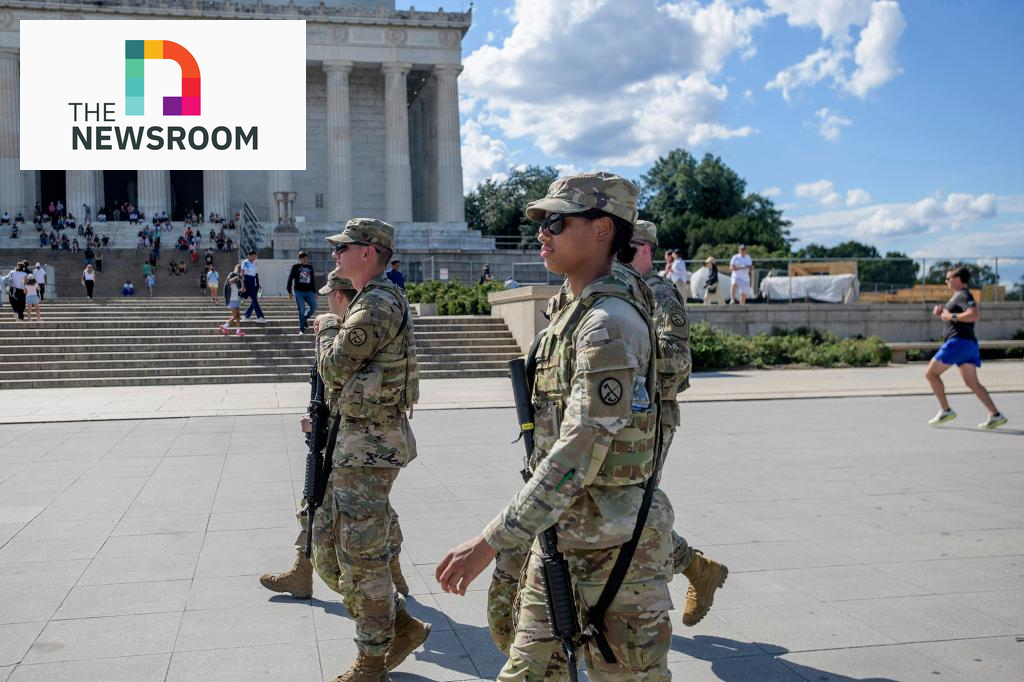
The presence of federal troops on city streets marks a significant escalation in efforts to restore order across key American urban centers. After initial deployment in Los Angeles, troops have been stationed in Washington, D.C., and are reportedly headed to Chicago. These deployments aim to project strength and combat rising crime, though they have become a political flashpoint.
The military personnel primarily serve as a visible, lawful force—standing guard at landmarks and patrolling transit hubs—rather than engaging in violent confrontations or arrests. Their deployment is seen by supporters as an important step towards re-establishing public safety, with striking imagery like Humvees and camouflaged soldiers adding to the symbolic message that the law is back in town.
Critics argue that such over-the-top displays are overreach and could be politically motivated. Nonetheless, in Washington, D.C., legal authority firmly supports federal control, as the city’s unique status allows the federal government to oversee law enforcement and deployment of the National Guard. This legal backing makes D.C. deployment a straightforward case.
By contrast, deploying troops to cities like Chicago or Baltimore is far more complicated. These cities have mayors who retain control over local police, and without the same legal justifications, federal involvement could face significant legal hurdles and resistance. Moreover, the federal government’s role in law enforcement is limited outside of special circumstances like riots or federal asset protection, which were instrumental in California’s case.
Ultimately, the utility of the National Guard as police is limited. While their presence may enhance perceived safety and temporarily ease police burdens, real progress in combating urban crime requires more targeted policing in high-crime neighborhoods—something law enforcement agencies like the FBI and DEA are better suited to handle.
Despite the optics, addressing urban crime at its root involves tackling long-standing governance and policy issues that no troop deployment alone can resolve.