Exoplanets Engulfed in Steam: New Hope for Finding Life in Our Galaxy
New Model Enhances Understanding of Steam Worlds in Exoplanet Research
Scientists have developed a more accurate model to study “steam worlds,” planets smaller than Neptune and larger than Earth that are too hot to sustain liquid water on their surfaces. These planets possess atmospheres rich in water vapor, often existing in exotic states that are challenging to replicate on Earth. Although unlikely to support life, understanding these worlds can provide insights into ocean planets and guide the search for habitable exoplanets.
Unlike planets in our solar system, sub-Neptune exoplanets are abundant in the galaxy. They are often closer to their stars than Earth is to the Sun, resulting in atmospheres filled with steam rather than liquid water. Due to these extreme conditions, their interiors contain layers of supercritical water and even superionic ice—states of water that require very high pressures and temperatures to form and are difficult to study experimentally.
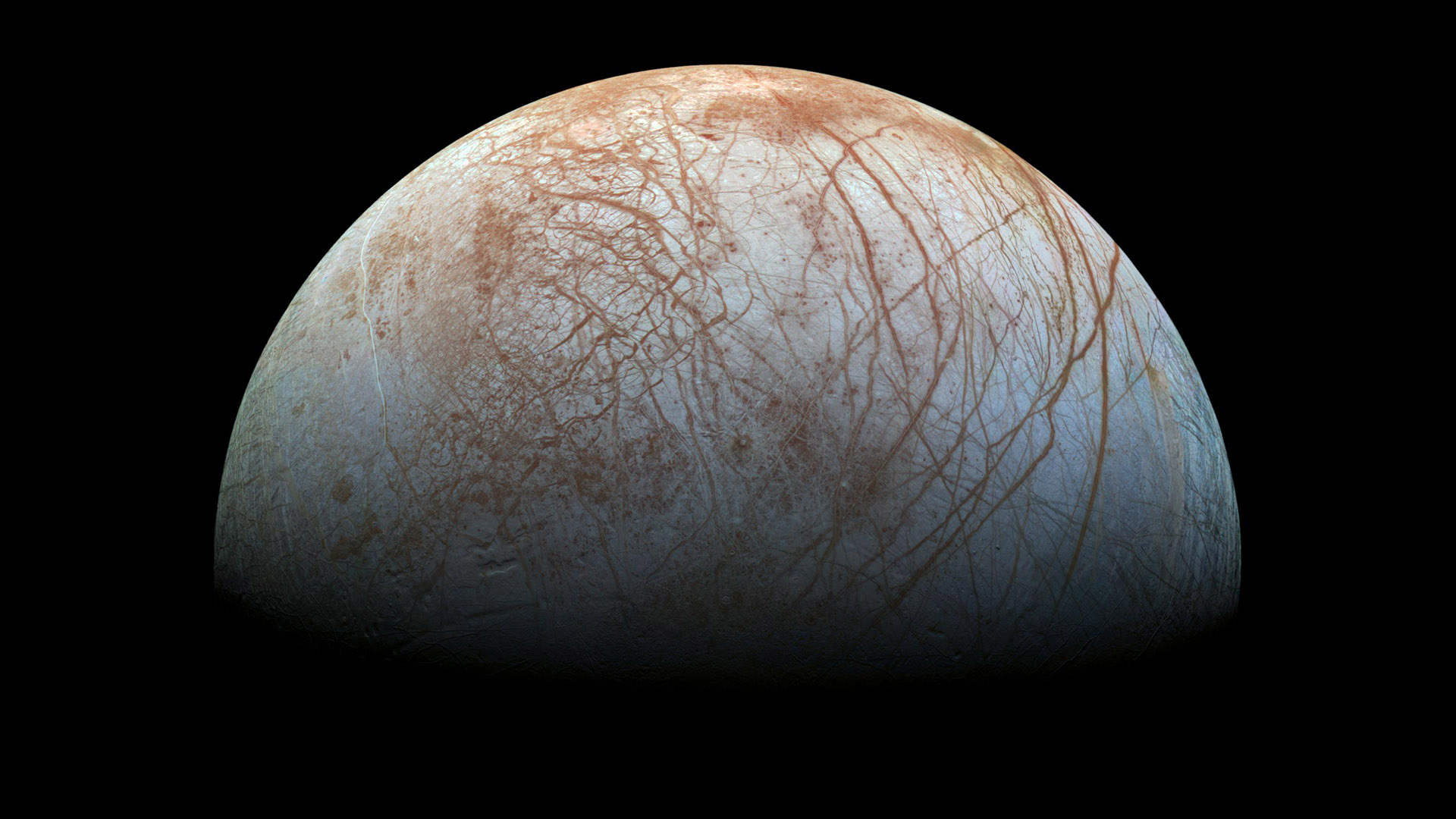
The new model considers various states of water, including pure steam, supercritical fluids, and superionic ice, to simulate the internal structures of these planets. Such research offers a unique opportunity to study extreme planetary conditions that are otherwise hard to reproduce. “Planets’ interiors act as natural laboratories for extreme conditions,” said astrobiologist Natalie Batalha, emphasizing that these studies could reveal unknown possibilities for habitability.
Interest increased in October 2024 when the James Webb Space Telescope confirmed the atmosphere of the exoplanet GJ 9827 d, located about 100 light-years away, was almost entirely water vapor, marking it as the first confirmed steam world. Since then, JWST has identified steam signatures in various sub-Neptune atmospheres, prompting the need for sophisticated interior models.
This research also considers how these worlds evolve over billions of years, an essential aspect for understanding their current states and potential habitability. Future observations with the upcoming European Space Agency’s PLATO mission, launching in 2026, will help validate and refine these models by detecting Earth-like planets in habitable zones where liquid water could exist.
Ultimately, these advanced models aim to better interpret observational data and guide the search for life beyond Earth, opening new avenues in planetary science and astrobiology.