Trump Threatens to Invade More U.S. Cities
Donald Trump Considers Deploying National Guard to Chicago and Other Cities
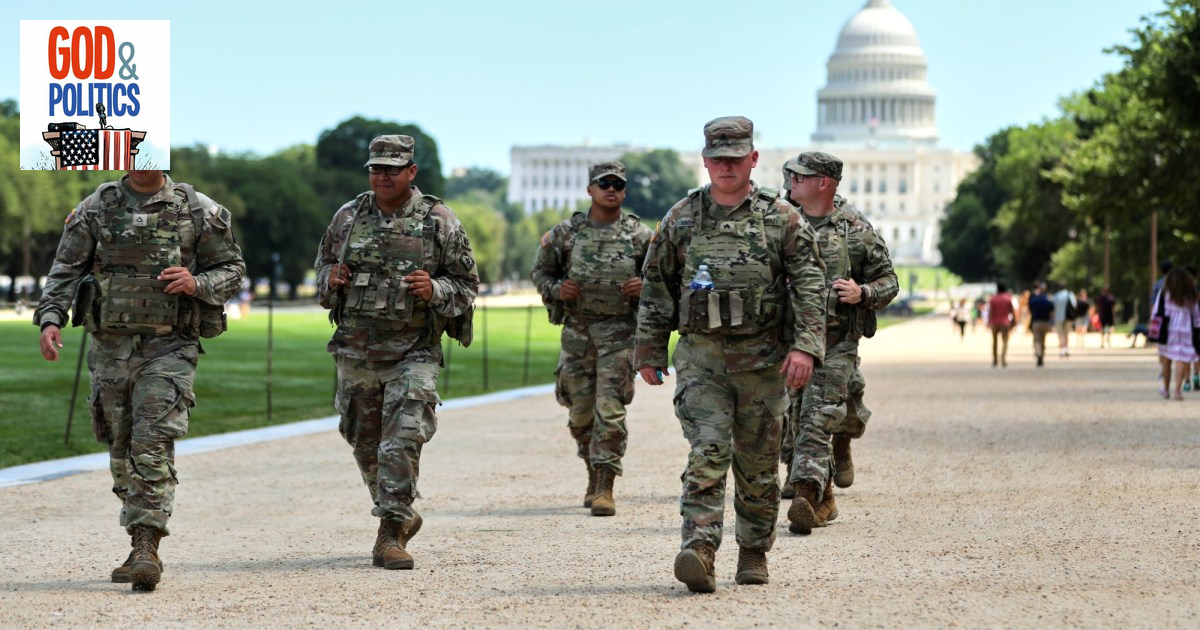
President Donald Trump’s efforts to deploy the National Guard in Washington, D.C., have faced strong opposition from local residents and officials. Despite this, Trump remains intent on increasing federal involvement in cities battling violence, even as crime rates decline in some areas.
Recent reports indicate the Pentagon has been developing plans to send troops to Chicago, aiming to mobilize a few thousand National Guard personnel by next month. This comes shortly after Trump labeled Chicago a “mess” and criticized the city’s mayor. However, Illinois Governor JB Pritzker responded that the federal government has not contacted the state about such plans, accusing Trump of attempting to “manufacture a crisis” for political purposes. Similarly, Chicago Mayor Brandon Johnson stated publicly that there has been no indication of federal troops being deployed and emphasized that violent crime has decreased significantly this year.
In interviews, Democratic leaders like House Minority Leader Hakeem Jeffries argued that Trump has no legal basis to send troops to Chicago, portraying the move as a political stunt. Rahm Emanuel, a former Chicago mayor, claimed it would be about enforcing Trump’s broader immigration policies rather than addressing crime.
Trump’s interest in deploying federal forces extends beyond Chicago. On social media, he suggested the possibility of sending troops to Baltimore following a letter from Maryland Governor Wes Moore, who invited Trump to discuss public safety strategies. Moore highlighted that Baltimore’s homicide rates have decreased over recent years, and local police reported a notable drop in shootings and killings in the first half of 2025. Yet, Trump dismissed this success, referring to Moore’s invitation as “blissful ignorance” and invoking “1980s scare tactics.”
Despite vocal claims about combating urban violence, the Trump administration has cut hundreds of millions of dollars allocated to crime victim support and violence prevention programs. Critics argue that these cuts undermine efforts to reduce crime and support affected communities.