Missouri Patient Dies from Brain-Eating Amoeba at St. Louis Hospital
Missouri Resident Dies After Contracting Rare Brain-Eating Amoeba
A resident of Missouri has died after being infected with Naegleria fowleri, a rare but deadly brain parasite, following a visit to the Lake of the Ozarks. The individual, only identified as an adult, passed away at a hospital near St. Louis.
Health officials confirmed the infection on August 13, stating that the person contracted the amoeba, which causes primary amebic meningoencephalitis (PAM), often referred to as “brain-eating” disease. Naegleria fowleri naturally inhabits warm freshwater environments like lakes, rivers, and ponds, especially when water temperatures are between 80 and 115 Fahrenheit, often after storms.
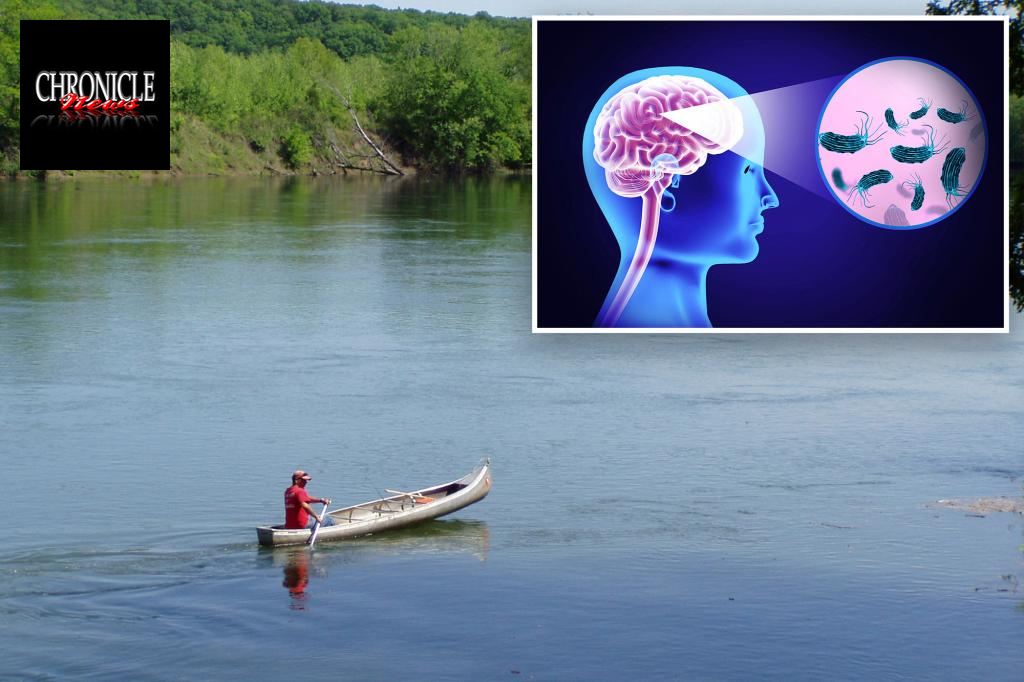
The amoeba enters the human body through the nose while swimming or diving in contaminated water. It then travels to the brain, destroying tissue. Although extremely rare, with fewer than ten U.S. cases annually, this infection is almost always fatal.

Since 1962, only 167 cases have been officially recorded nationwide, with Missouri documenting just two previous incidents in 1987 and 2022. Authorities advise swimmers and water recreationalists to take precautions, such as holding the nose closed or using clips, avoiding stirring sediment in shallow waters, not dunking in hot springs, and using sterile or boiled water for sinus rinses.
Symptoms of PAM typically appear within one to twelve days of exposure and can include severe headaches, fever, nausea, vomiting, stiff neck, seizures, confusion, and hallucinations. Early detection and treatment are crucial, with medications like antifungals and antibiotics such as rifampin and azithromycin used to combat the infection.

Health officials emphasize that drinking contaminated water does not pose a risk, nor can the infection spread from person to person. No other cases are currently suspected in the area.