Pope Leo Confronts Muslim Immigration Threat to Europe
Concerns Grow Over the Impact of Migration and Islamization in Europe
As migration from Muslim-majority countries intensifies across Europe, some Catholic leaders are raising alarm about its effects. Polish Bishop Antoni Długosz highlighted that decades of mass immigration have contributed to what he sees as the Islamization of the continent, with illegal migrants causing significant issues in host countries. Kazakhstan’s Bishop Athanasius Schneider went further, condemning what he describes as an invasion rather than refugee movement, warning of a mass Islamization.
Meanwhile, the Vatican’s stance promotes a different narrative. Pope Leo XIV described migrants and refugees as messengers of hope, emphasizing their bravery amid global conflict and injustice. However, critics argue that this perspective fosters open borders and overlooks the dangers posed by radical elements within Islam.
The church’s approach to Islam has historical roots. Influenced by early 20th-century scholar Louis Massignon, the Catholic position has often been one of understanding and respect. Documents from the Second Vatican Council, such as Nostra Aetate and Lumen Gentium, acknowledge Muslims’ reverence for Abraham and their worship of one God, asserting that the plan of salvation includes those recognizing the Creator, including Muslims.
Historically, this ecumenism has often translated into practical appeasement. Under John Paul II, churches and religious institutions in Europe were sold to Muslim groups, and mosques were established in former Christian sites. Some groups, like the Union of Islamic Communities and Organizations in Italy, have promoted extremist interpretations of Islam, with leaders refusing to fully accept Western legal frameworks or recognize Israel.
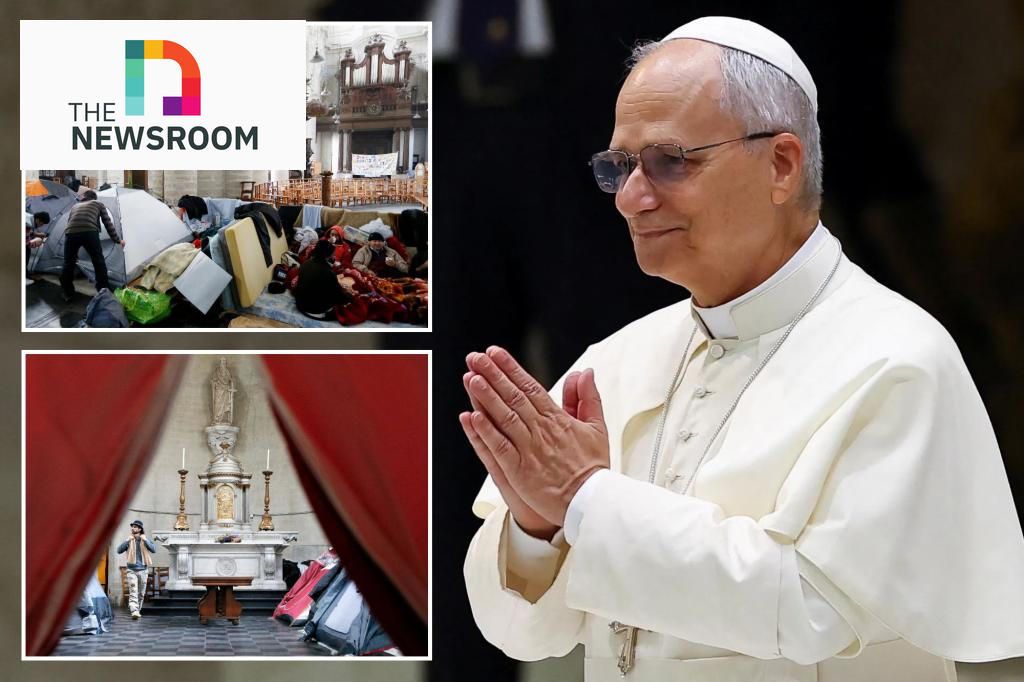
Efforts to accommodate Muslims in Christian institutions extended to advocating religious instruction in schools and converting churches into mosques. In Belgium, some churches were turned into shelters for Muslim migrants, including neglecting their spiritual functions and allowing unauthorized occupation.
This trend has faced pushback from some clergy and laypeople, but critics argue that it risks undermining European civilization’s Christian foundations. As Bishop Schneider warns, the current policies may serve a broader political agenda aimed at destabilizing the continent. The question remains whether the church will play a role in defending or dismantling Europe’s cultural identity amid these challenges.