Signs of Peace: Urge Putin to Respond
U.S. President Highlights Diplomatic Progress and Ongoing Challenges in Ukraine Peace Efforts
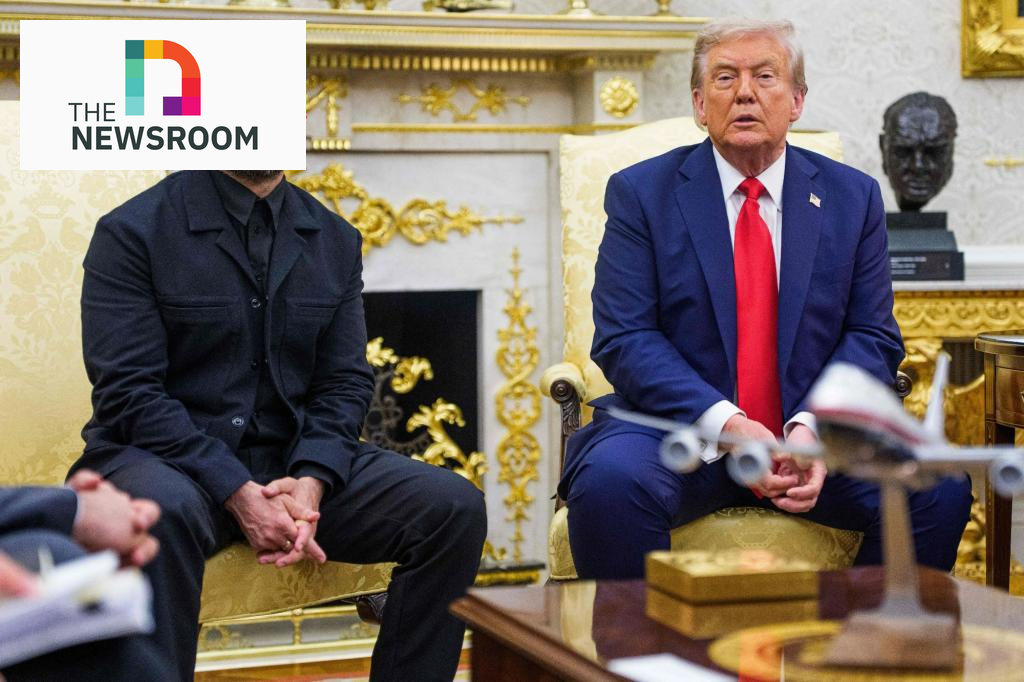
President Donald Trump announced a successful series of diplomatic meetings, including discussions with European leaders and Ukraine’s President Volodymyr Zelensky. He also spoke with Russia’s Vladimir Putin to arrange a potential summit involving both presidents and himself, signaling a push for peace negotiations.
In a private moment caught on a hot mic, Trump expressed his belief that Putin genuinely seeks to reach a peace agreement, suggesting that the Russian leader might be motivated to make a deal with the United States in exchange for certain concessions.
The day featured a notably optimistic atmosphere, with European leaders praising recent diplomatic efforts. Finland’s President Alexander Stubb remarked that more progress had been made in recent weeks than in the previous three and a half years regarding ending the Ukraine conflict, emphasizing the collaborative efforts of Europe and the U.S. to support Ukraine.
One of the key issues remains whether the West can provide Ukraine with robust security guarantees, including the possible deployment of European and U.S. troops, to ensure lasting peace. The concept of “hard” guarantees is essential since past promises made to protect Ukraine’s territorial integrity—especially after denuclearization agreements—have been broken by Russia. The failure of past commitments has fueled calls for more enforceable security measures.
While Putin has indicated potential acceptance of international peacekeeping forces during talks in Alaska, Russia’s Foreign Ministry later deemed such proposals unacceptable, highlighting the unpredictability of diplomatic negotiations.
The U.S. and European nations appear aligned in supporting Trump’s plan for a Putin-Zelensky summit, which could potentially settle some of the ongoing conflicts. However, Putin has historically refused to meet without preconditions that imply Ukraine’s surrender, making the outcome uncertain. If Russia remains inflexible, the U.S. might need to increase pressure through secondary sanctions to influence Moscow’s stance.