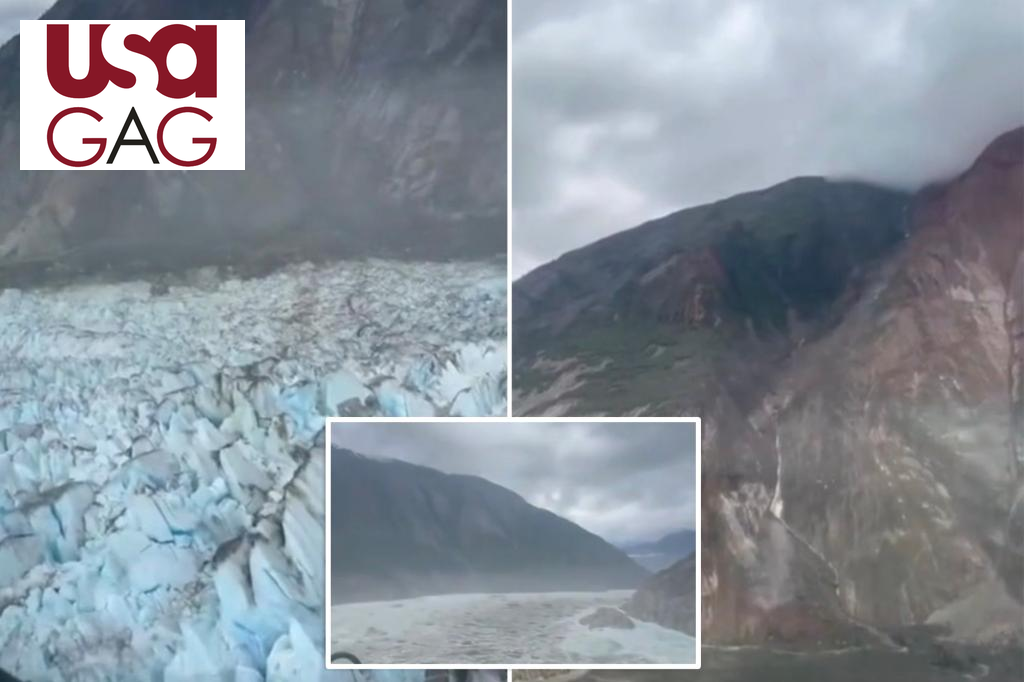
Alaska Landslide Sparks 10-15 Foot Tsunami Waves
Landslide Triggers Local Tsunami in Alaska’s Endicott Arm Area
Waves of approximately 10–15 feet affected areas near Harbor Island, while the National Park Service recorded a tsunami of up to 100 feet that uprooted trees on Sawyer Island.
Research scientist Ezgi Karasözen analyzed seismic data and found no earthquake activity to account for the wave, indicating a landslide as the cause. Using specialized algorithms, she estimated the landslide involved a volume exceeding 100 million cubic meters, originating near South Sawyer Glacier. This event is considered the largest landslide and tsunami in Alaska since 2015 and was detected by seismic stations over 600 miles away.

The U.S. Coast Guard flew over the region, observing debris and a visible debris flow along the mountainside. Hours prior, minor earthquakes were recorded, likely contributing to the landslide’s initiation.

Following the event, officials emphasized there was no significant damage or injuries. The National Weather Service confirmed the tsunami’s limited impact, and authorities are currently preparing for potential flooding from a glacial lake associated with Mendenhall Glacier, prompting evacuations in Juneau.