Is the U.S. Government’s Official Voice Cruel and Weird? What’s It Doing to Us?

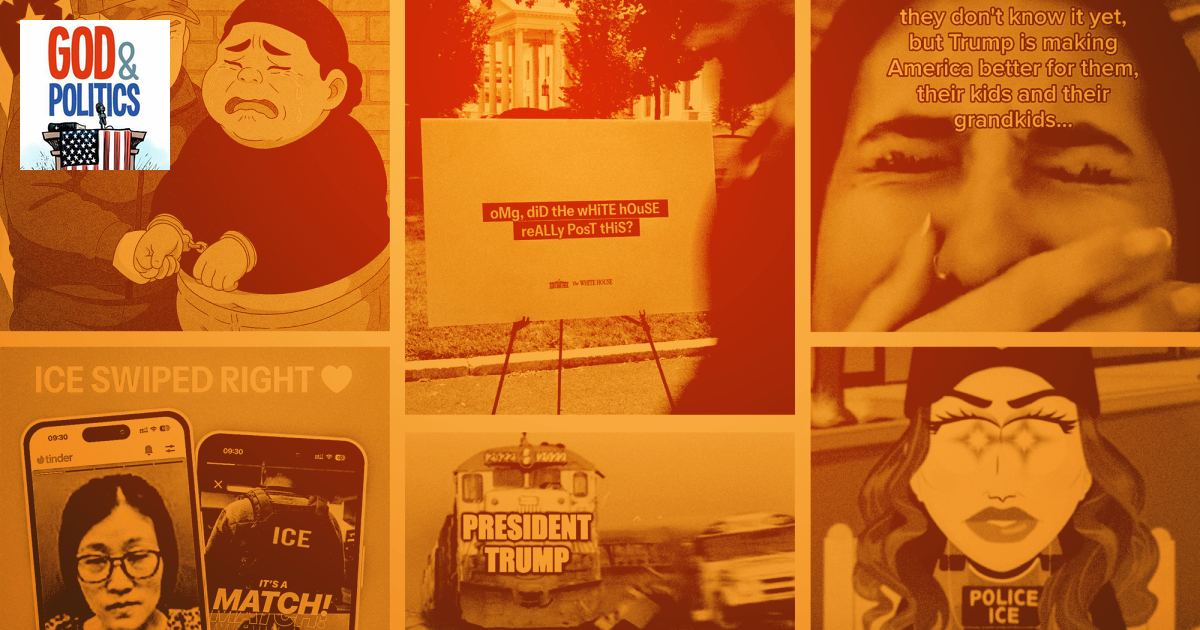
The U.S. government has increasingly used social media platforms to spread propaganda and mock human suffering, especially around immigration enforcement. In March, Immigration and Customs Enforcement (ICE) detained a woman accused of drug trafficking and unlawful entry. Photos capturing her weeping with arms cuffed behind her, taken in a parking lot, were shared publicly. The White House then employed AI-generated imagery in a tweet, depicting her crying and handcuffed in a cartoon style reminiscent of Studio Ghibli films. This tweet garnered over 155,000 likes and 76 million views, with many users embracing the portrayal.
This trend reflects an alarming shift: government accounts now blend trolling, cruelty, and satire, often turning serious policies like deportation into viral content. They repurpose memes, parody popular culture, and integrate nostalgic art to attract attention. Some imagery has even drawn criticism from artists’ estates, highlighting the problematic use of classical art for political ends.
Efforts are often tailored to appeal to specific demographics, such as young white men. Examples include ads inviting viewers to deport “illegals” with friends or propaganda featuring Uncle Sam at a crossroads, suggesting choices between invasion or opportunity—echoing far-right nationalistic themes. Campaigns also promote controversial detention facilities, like “Alligator Alcatraz,” depicted as brutal prisons guarded by crocodiles; officials have shared AI-created images of Trump with alligators wearing ICE hats, fueling dehumanization and mockery.
Disinformation experts warn that these tactics foster a culture of sadism, where public satisfaction is derived from the pain inflicted on others. Philosopher Jason Stanley criticizes this as part of a broader phenomenon of “sadopopulism,” which promotes fear, scapegoating, and violence while distracting from economic or social needs. Scholar Joan Donovan emphasizes that such government-produced memes are most impactful when anonymous and created by young men acting as “digital soldiers” in a propaganda war. These efforts contribute to a mounting climate where extremist content and dehumanizing imagery circulate freely, risking violent repercussions.
Historically, propaganda has used grotesque and dehumanizing images—such as cartoons depicting Jews as rats or political memes glorifying violence—to manipulate public opinion. Similar tactics are now being employed on social media by government entities, blurring the lines between satire and propaganda. Experts warn that normalizing such behavior comes with a heavy price, undermining human dignity and democratic values.