Homeowner Fights Back Against Surveillance: Big Brother Watches No More
Privacy Concerns Mount Over Automated License-Plate Readers
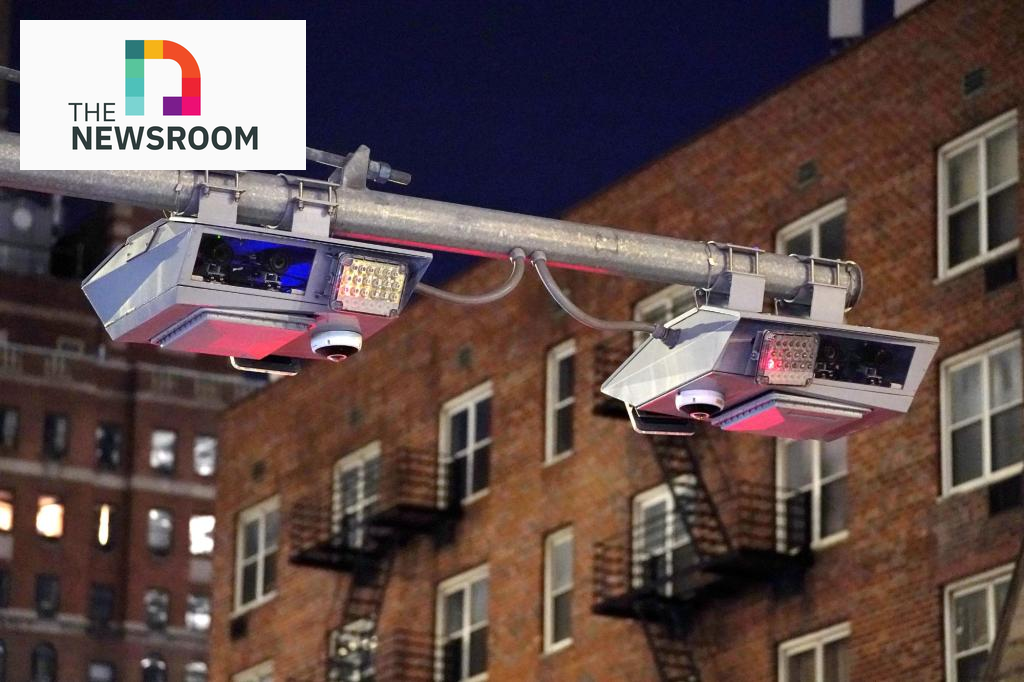
A resident recently raised alarms about a license-plate camera installed in his neighborhood, claiming it invaded his privacy by capturing images of his driveway and yard without consent. Despite reassurances from local police that such cameras are widely used across numerous cities, privacy advocates argue they pose significant risks.
Unlike cameras that record only violations, automated license-plate readers (ALPRs) photograph every vehicle they detect and can build detailed profiles using artificial intelligence. These profiles are stored in expansive databases, allowing officials to search and monitor vehicles without warrants. Additionally, data is often shared between departments nationwide, creating a web of persistent surveillance that can trace individuals’ movements over time.

This level of surveillance raises questions about Fourth Amendment rights, especially since technological advancements now enable the tracking of people’s locations and movements more easily than in the past. Experts note that courts have recognized that placing surveillance cameras on private property can infringe on reasonable privacy expectations.
The homeowner, Charlie Wolf, pointed out that the camera installed near his house recorded him, his family, visitors, and even mundane activities like trips to the mailbox. Initially dismissing his concerns, officials reconsidered after a legal advocate highlighted parallels with existing legal judgments that protect against warrantless privacy intrusions.
Following legal pressure, the town agreed to remove the intrusive camera, marking a small victory for privacy advocates. Similar developments occurred in nearby areas, such as Scarsdale, NY, which ended its contract with the ALPR company after residents expressed concern about the implications of mass surveillance.
These cases reflect a growing awareness of the risks associated with sacrificing personal privacy for perceived security benefits.