Trump at Alaska Summit: Call Putin’s Bluff
Upcoming U.S.-Russia Summit Puts Trump in a Strong Negotiating Position
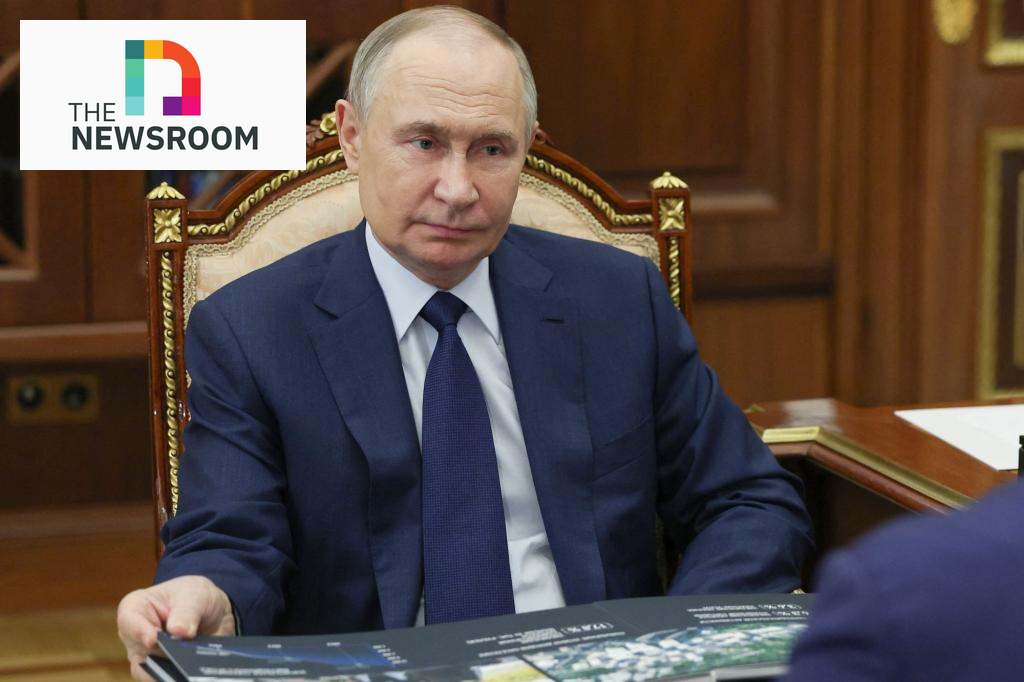
The scheduled meeting between Presidents Donald Trump and Vladimir Putin marks another strategic move for the Russian leader, but when they convene, Trump holds significant leverage.
As the deadline for peace negotiations approaches, Putin has agreed to a summit, seemingly sidestepping repercussions for repeatedly disregarding U.S. timelines for resolving Ukraine conflict.
During the talks, Putin is expected to flatter Trump while reiterating false narratives about Ukraine’s history and claiming Russia’s military action was forced. He is reportedly prepared to offer a cease-fire in exchange for territorial concessions in eastern Ukraine and international recognition of Russia’s claims.
This proposal, however, is likely a non-starter for Trump. Despite recent advances, Russia controls only a small fraction of eastern Ukraine—less than 2% gained over two years of fighting—and accepting such demands would mean a major victory for Putin.
Furthermore, the Ukrainian government, led by President Zelensky, opposes large territorial concessions, which would require a national referendum for approval. Meanwhile, Russia’s economy and military are under overwhelming stress, making continued fighting unsustainable.
There’s also a cautionary note: Any cease-fire deal would rely on both parties respecting it, but Russia’s leadership has a history of violating international agreements. Putin has dismissed previous peace proposals and is unlikely to be trustworthy.
Historically, U.S. leaders have fallen for Putin’s charm, believing they could trust him—until it became clear that Putin’s goals are driven by a desire to reunify “Greater Russia,” with Ukraine as a key target. His recent alliances, such as with Syria and Iran, have demonstrated his willingness to abandon allies when politically or militarily convenient.
Russia’s military has seen heavy losses, including over a million soldiers killed or wounded, and the economy is in decline. Putin is desperate for a cease-fire, which presents an opportunity for Trump to leverage Russia’s weak position and negotiate lasting peace based on firm security guarantees for Ukraine.
Offering NATO security assurances, such as a formal treaty, combined with a cease-fire and NATO presence in Ukraine, could potentially end the conflict. This approach echoes a modernized version of Reagan’s peace through strength doctrine.
Gregory W. Slayton, a former senior U.S. diplomat and author, emphasizes that Russia’s ambitions remain unchanged, and the West must be cautious and strategic in future negotiations with Putin.