Nitazene: The Deadly Synthetic Opioid 43x More Potent Than Fentanyl and Resistant to Narcan
Tragic Losses from Deadly Synthetic Opioid in Texas Sparks Urgent Warning
Two young men from Texas lost their lives after unknowingly consuming pills contaminated with a highly potent synthetic opioid, prompting their mothers to share their stories and warn others about this emerging threat.
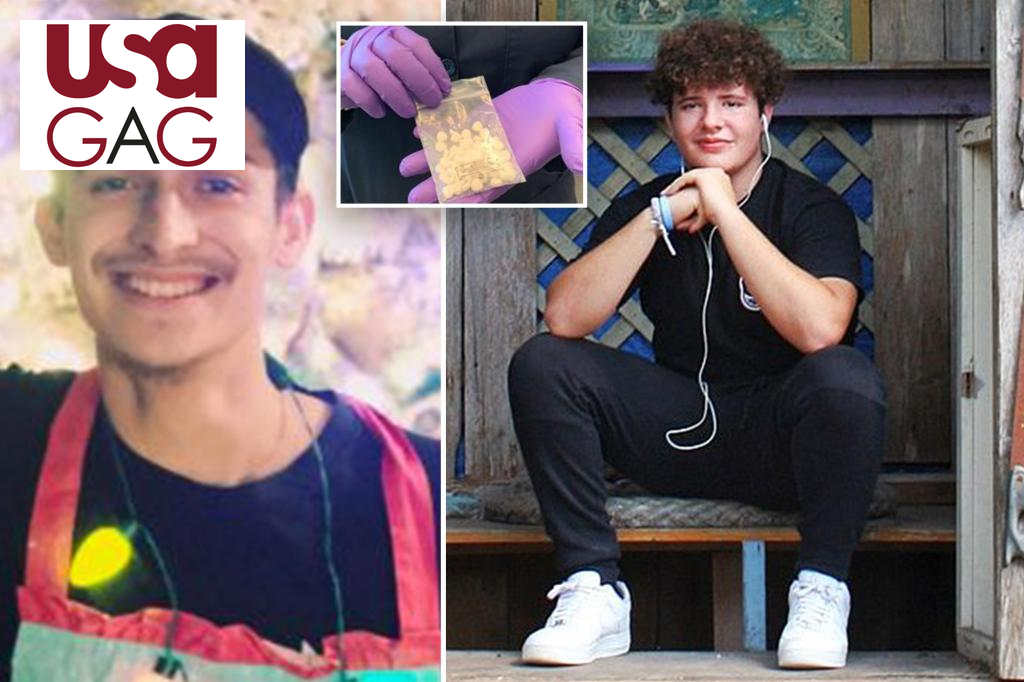
The first victim, 22-year-old Lucci Reyes-McCallister, died in January near Houston after taking a pill labeled as Xanax, which was actually infused with N-Pyrrolidino Protonitazene—a form of nitazene. This new strain of synthetic opioid is approximately 25 times more lethal than fentanyl, with other variants ranging from five to 43 times stronger, according to international drug agencies. These powerful substances are increasingly resistant to Narcan, the overdose reversal medication.
Lucci’s mother, Grey McCallister, recounted her heartbreak, revealing that it took multiple doses of Narcan to attempt revival, but he ultimately passed away. Nearly six months later, another mother uncovered her son’s death was also caused by the same dangerous drug. Hunter Clement, 21, died after ingesting a nitazene-laced pill masquerading as a Percocet.

Hunter’s mother, Ruthi Clement, expressed her grief, describing the moment she found her son unresponsive in bed. Despite immediate attempts with Narcan and chest compressions, she couldn’t save him. She stressed the importance of awareness since standard drug tests don’t detect nitazenes, which are produced in clandestine labs in China and trafficked into the US through Mexican cartels.
Authorities report multiple overdoses in the Houston area, with forensic labs confirming four cases linked to nitazenes. Officials warn that the drug’s high potency and resistance to antidotes pose a significant threat, especially since the substances are often pressed into pill forms that appear safe.
The mothers hope these stories serve as cautionary tales, urging increased education and awareness. Experts advocate for social media campaigns and outreach programs to inform youth about the dangers, emphasizing that many might unknowingly take pills that are 20 to 40 times more deadly than fentanyl.