Progressives Blocking NYC’s Housing Progress
NYC’s Waterfront Development Faces Political Hurdles Despite Clear Benefits
New York City continues to grapple with a critical housing shortage, with officials frequently touting the need for new affordable apartments. However, many of these same leaders impede efforts to build more homes, regardless of affordability.
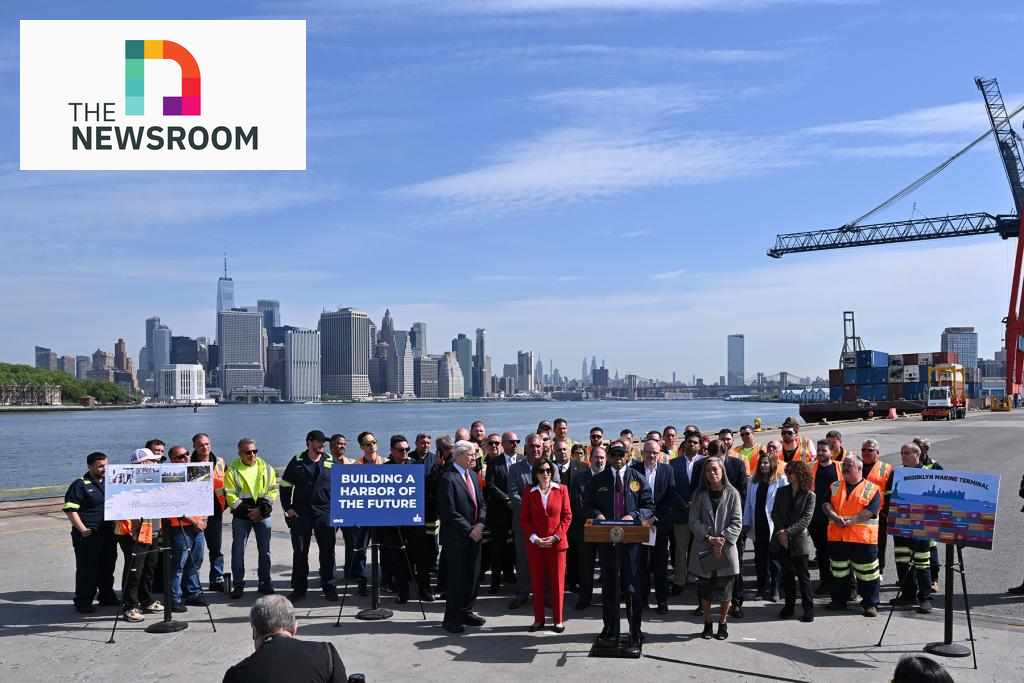
This tension is evident in proposals for the Brooklyn Marine Terminal, a 122-acre waterfront site between Cobble Hill and Red Hook that has largely remained underused. The city’s Economic Development Corporation (EDC) has outlined a plan to transform the site into a vibrant mixed-use community with 6,000 new apartments—40% of which would be affordable—alongside parks and public spaces, all while maintaining a modernized port.

Critics often argue that such land reclamation projects lack enough affordable units, threaten gentrification, and could lead to job losses, environmental issues, and traffic congestion. Some complain about the transparency of the process, despite plans having been public since February 2024. Concerns also exist that modernization may hinder efforts to revitalize manufacturing, though industry has largely moved away from the waterfront decades ago.
Supporters highlight that the project requires no eminent domain, as the city owns the land. The existing shoreline obstacles—walls and fences—limit views anyway. Labor unions support the initiative, believing it would preserve jobs while providing new housing options.
In a recent setback, the project’s crucial vote was delayed for two weeks, amid vocal opposition from a handful of political figures and activists who, critics say, resist development due to anti-development sentiments rooted in protecting real estate interests.
On-the-ground observations reveal a neglected landscape: rotting piers, idle cranes, and land occupied by warehouses, recycling plants, and even junkyards—handling a mere 60,000 tons of cargo annually, a tiny fraction of the harbor’s capacity.

Undeniably, transforming the terminal into residential and recreational space presents a significant upside. The land is public, and the plan would preserve existing jobs. Still, opposition persists, with some officials nostalgic for the industrial era and resistant to change—despite New York’s successful efforts to nurture the Brooklyn Navy Yard as an industrial hub.
Ultimately, the delays and opposition reflect a broader reluctance to embrace necessary urban progress, thwarting efforts to address the city’s housing crisis and economic revitalization.