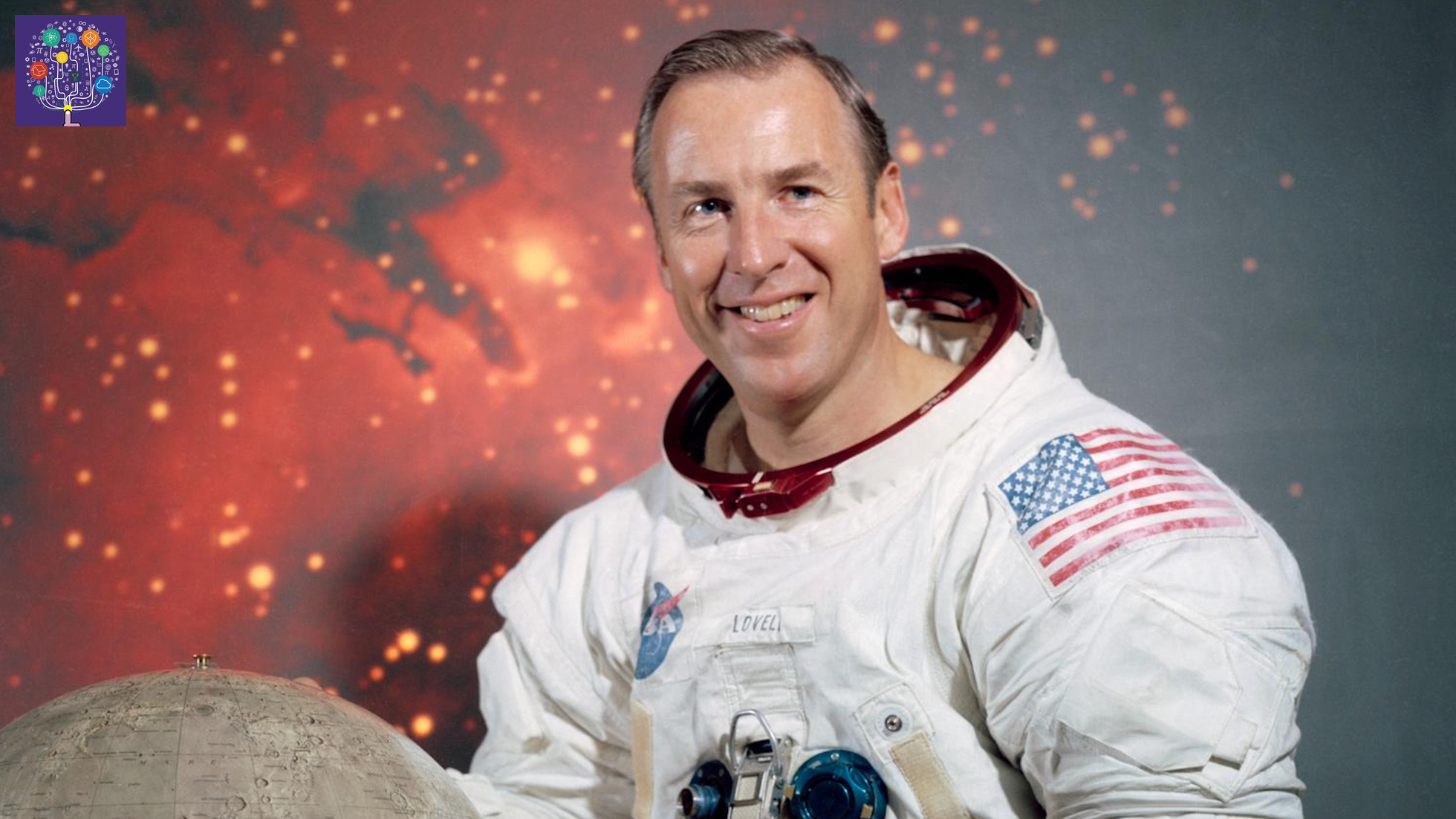
Jim Lovell, Apollo 13 Commander, Dies at 97
Remembering Jim Lovell: A Legacy of Courage and Discovery
Jim Lovell, a legendary NASA astronaut who played a pivotal role in transforming the crisis-plagued Apollo 13 mission into a story of ingenuity and survival, has passed away at age 97. He died in Lake Forest, Illinois, leaving behind a remarkable legacy that has inspired generations of explorers and the nation.
Joining NASA’s second astronaut class in September 1962, Lovell was one of eight pioneering space travelers. His peers included Neil Armstrong and Ed White, the first American to walk in space. Lovell’s first spaceflight was in December 1965 aboard Gemini 7, which featured the first rendezvous of two maneuverable spacecraft, Gemini 6A and Gemini 7, orbiting Earth.
His subsequent missions included Gemini 12 in November 1966, which orbited Earth for four days, and Apollo 8 in December 1968, the first crewed mission to leave Earth orbit and orbit the Moon. During Apollo 8, Lovell and his crew captured the iconic “Earthrise” photograph and demonstrated lunar orbit capabilities.
In April 1970, Lovell commanded Apollo 13. Originally intended to land on the Moon, the mission was tragically derailed when an oxygen tank explosion crippled their spacecraft. Working closely with Mission Control, Lovell and his crew ingeniously converted their lunar module into a lifeboat, managing resources carefully to ensure safe return. Their resilience and teamwork turned a potential disaster into a testament to human perseverance.
He later authored “Lost Moon: The Perilous Voyage of Apollo 13,” which provided an inside look at the mission’s challenges and was adapted into the acclaimed film “Apollo 13.” The phrase “Houston, we’ve had a problem” became synonymous with space emergencies, although the accurate quote was “Houston, we’ve had a problem.”
Legacy and Personal Life
Born in Cleveland on March 25, 1928, Lovell graduated from the U.S. Naval Academy in 1952. He served as a test pilot and flew over 7,000 hours, mostly in jets. After retiring from the Navy and NASA in 1973, he held executive roles, including vice president at Centel Corp.
Lovell’s legacy endures, especially as one of the last surviving Apollo astronauts. His contributions to space exploration and his extraordinary courage continue to inspire future generations of explorers and scientists.