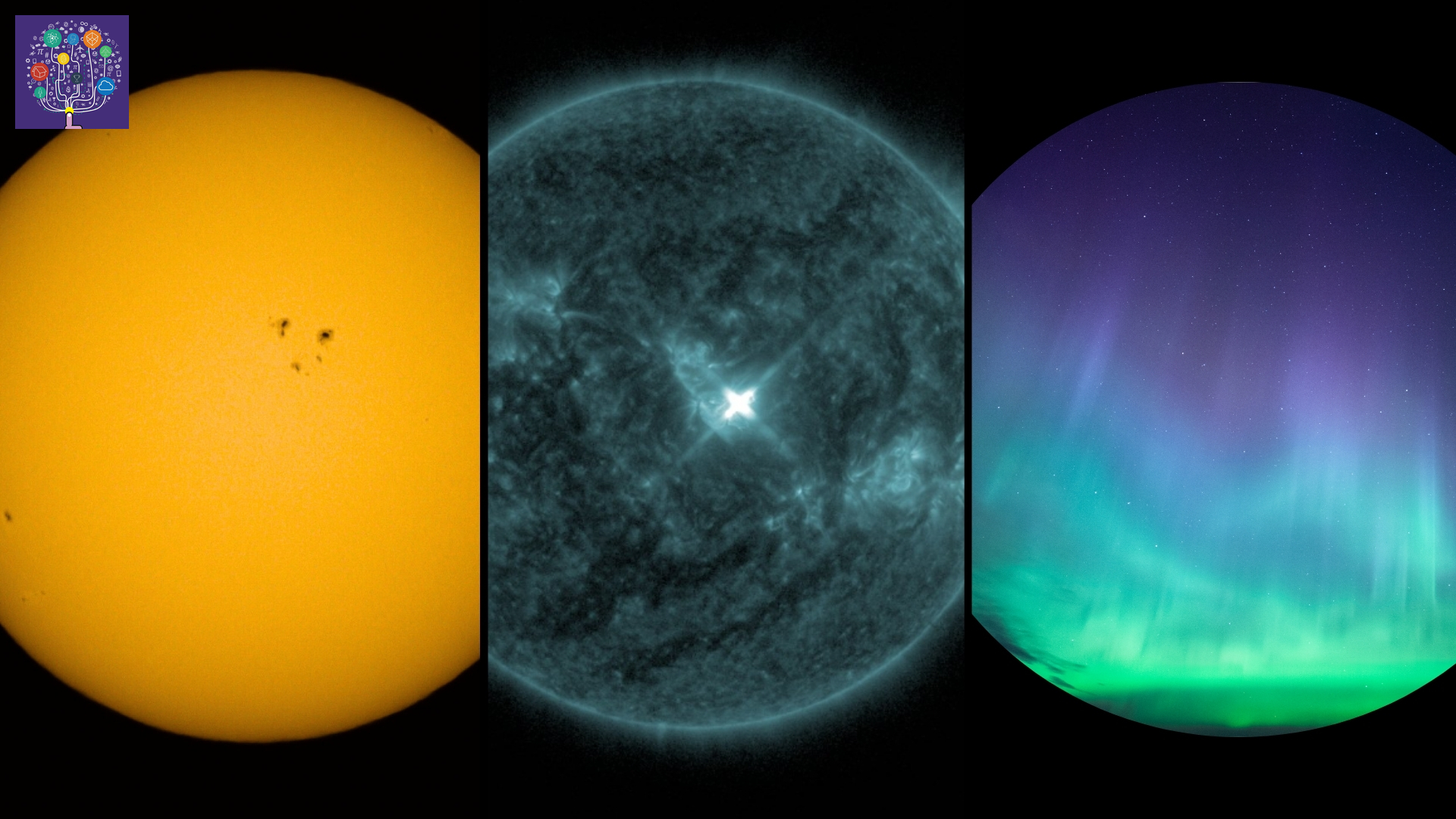
Solar Storm from Sunspot May Trigger Auroras on Aug. 8
Sunspot Region 4168 Produces Solar Eruptions and Potential Space Weather Impact
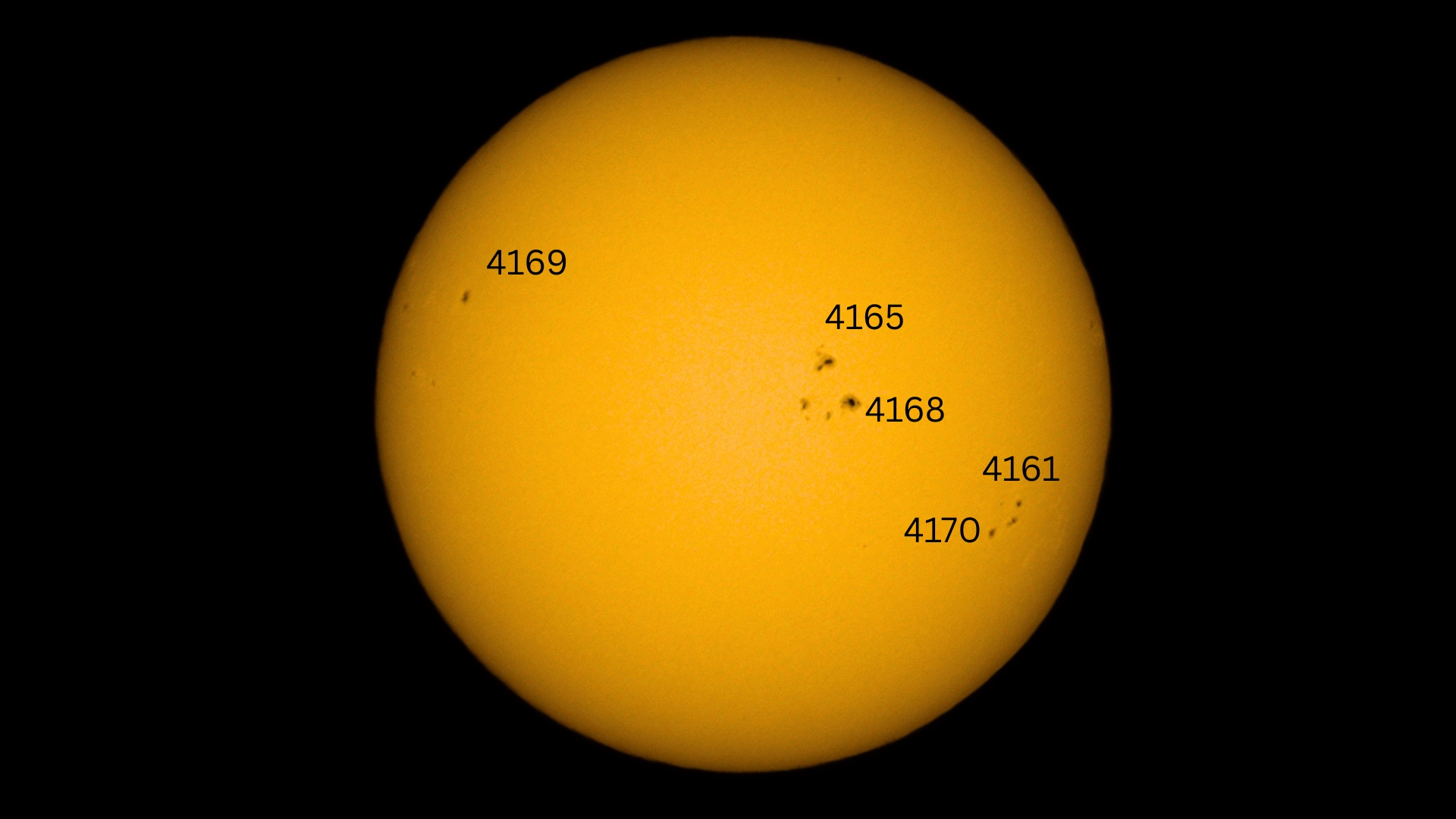
Sunspot region 4168 has been increasingly active lately, releasing multiple solar flares. Earlier this week, it erupted with three M-class flares in just 24 hours, ending a period of relative calm on the sun. On August 5, it generated a significant M4.4-class flare around 11:58 a.m. EDT (15:58 GMT), accompanied by a coronal mass ejection (CME).
Although the CME originated near the center of the sun’s disk—traditionally a prime position for Earth-directed effects—the eruption was somewhat atypical. Instead of heading directly toward Earth, most of the plasma was expelled sideways, moving westward away from our planet. Nevertheless, space weather forecasters warn that Earth could still experience a glancing blow from the CME on August 8, potentially triggering a minor G1 geomagnetic storm. This could produce northern lights visible as far south as northern Michigan and Maine.
Experts note that the CME’s magnetic orientation plays a crucial role in whether auroras will appear. For striking Northern Lights at lower latitudes, the CME’s magnetic field needs to point southward to effectively connect with Earth’s magnetosphere. If it points northward, the solar wind simply grazes off without causing significant auroras.
Limited models, including NASA’s WSA-ENLIL, suggest a possible impact around 2:00 a.m. EDT (0600 UTC) on August 8, though there is some uncertainty, with a margin of error of approximately eight hours. The UK Met Office echoes this possibility but emphasizes low confidence in the specific forecast.
As the sun remains active, observers are encouraged to stay alert for potential auroras and other space weather phenomena.