Rising Flesh-Eating Bacteria Cases K:i:ll 1 in 5 on Gulf Coast
Alarming Surge in Flesh-Eating Bacteria Cases Along the Gulf Coast
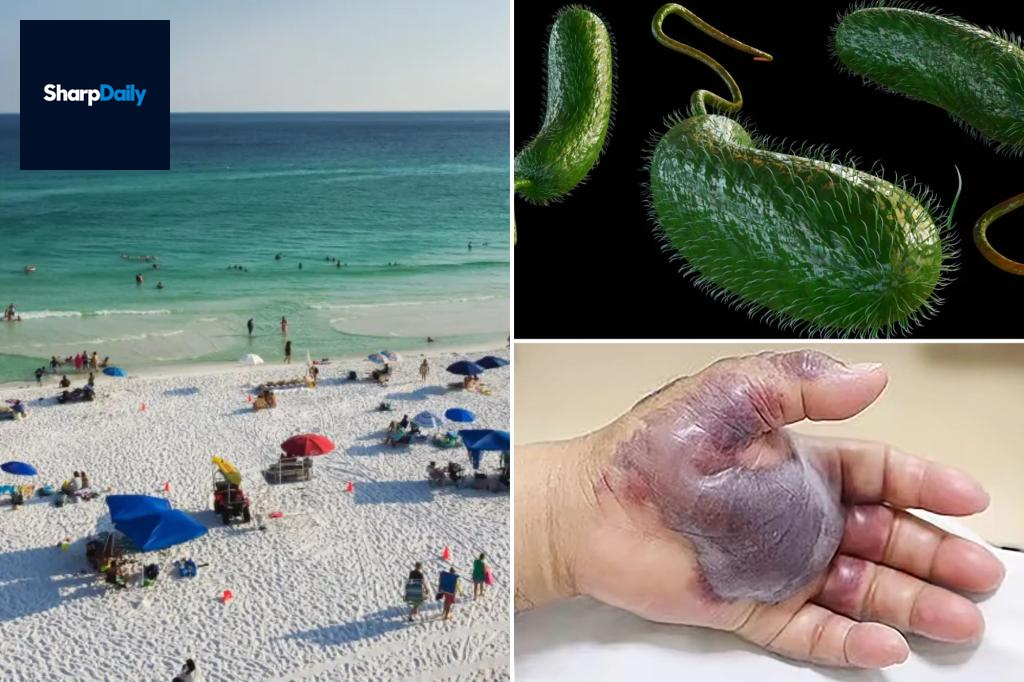
Health officials are issuing warnings to avoid swimming in waters along the Gulf Coast due to a significant rise in cases of flesh-eating bacteria, resulting in eight deaths across Florida and Louisiana.
In Louisiana, authorities have confirmed 17 cases of Vibrio vulnificus this year, a dangerous bacteria capable of causing blood poisoning, with four fatalities. This marks a sharp increase from the usual seven cases annually over the past decade.
Despite Florida being a popular vacation destination, it reports slightly fewer cases—13 confirmed infections and four deaths—compared to Louisiana’s current figures. Last year, the state saw 15 cases in Pinellas County alone and 19 deaths statewide.
The bacteria, predominantly found in warm, brackish waters from May to October, can enter the human body through open wounds exposed to contaminated water or by consuming infected seafood, especially oysters, which tend to concentrate the bacteria.
The infection can lead to severe health issues, including bloodstream infections and necrotizing fasciitis, often called flesh-eating disease. If untreated, it can become fatal within days, sometimes necessitating limb amputations to remove infected tissue. Symptoms include fever, redness, swelling, pain, discoloration, and discharge, with more severe signs involving blistering skin lesions.
Risks and Prevention
Individuals with preexisting conditions such as cancer, diabetes, or liver disease are at higher risk of severe outcomes. Early detection and treatment with antibiotics are crucial for better recovery chances.
Each year, approximately 80,000 cases of vibriosis occur in the U.S., most linked to contaminated food sources. However, recent outbreaks emphasize the importance of caution in coastal waters and seafood consumption.


