NYC Foreign Tourism Expected to Drop $4B This Year, Industry Experts Say
Foreign Tourism in New York City Declines Significantly
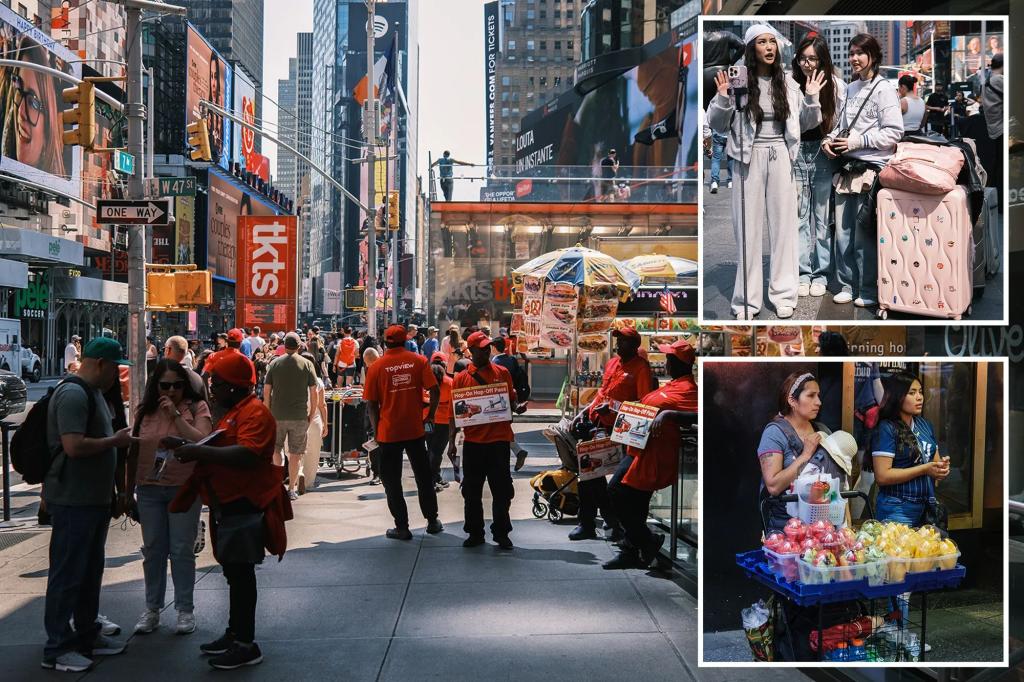
The number of international visitors to New York City is dropping sharply, with an estimated 2 million fewer tourists expected this year. This decline could result in a loss of over $4 billion in foreign spending for the city in 2025.
Although international travelers represent only 20% of total visitors, they contribute around 50% of tourism revenue. The decrease is already impacting businesses that rely heavily on tourists, such as hotels, restaurants, and tour operators, which report slowing activity and revenue drops. Some establishments, like Midtown restaurants and retail outlets, are experiencing declines of over 20%, directly linked to the decline in foreign visitors.
This downturn is attributed to various factors, including shifts in U.S. foreign policy and tariffs, especially toward Canada. Canadian tour groups, a significant part of some operators’ clientele, have seen an 85% revenue drop, threatening to eliminate this demographic entirely by next year. Leaders in the tourism industry suggest that political disputes and economic effects from tariffs are discouraging international travel to NYC.
Tour guides note that political concerns and global economic impacts are leading families and school groups to reconsider trips. For example, operators catering to Canadian youth groups face prospects of losing all revenue from this source in the near future. Additionally, domestic tourism is also affected, with local operators pointing to economic instability and air travel concerns as contributing factors.
Despite the challenges, NYC’s tourism authorities reaffirm their commitment to promote the city globally. They plan to intensify marketing efforts across multiple regions, including Europe, Latin America, and Asia, inviting travelers to visit when they feel ready. City tourism officials emphasize that New York City remains welcoming and open for visitors, even amid a challenging tourism climate.