Northeast Exodus: How High Taxes Are Driving Billions Away
Massive Population Losses Hit New York and New Jersey
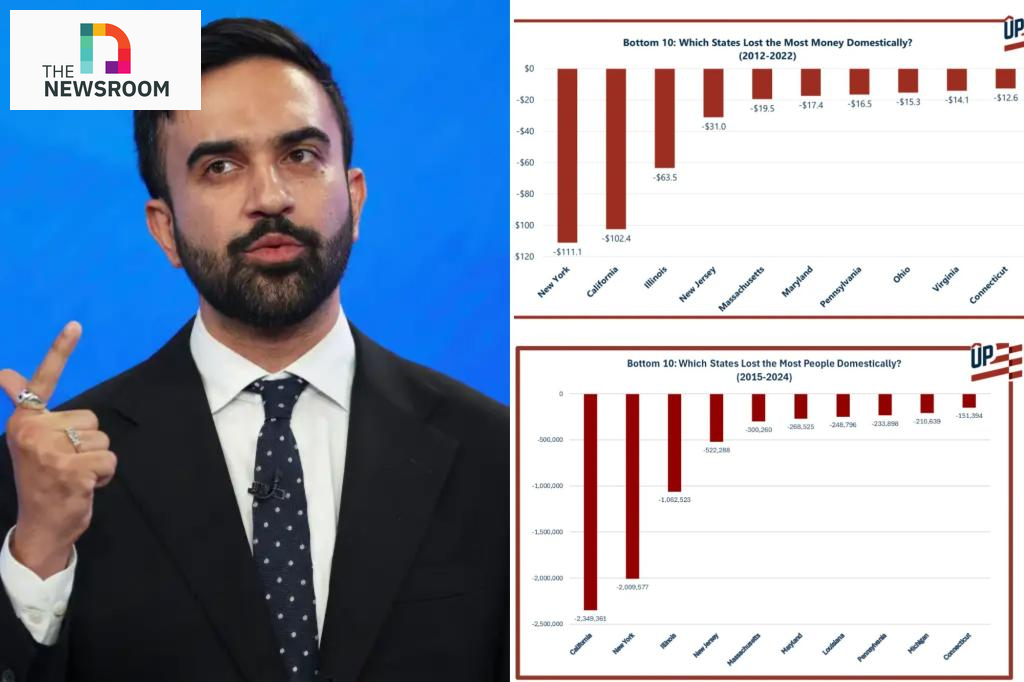
Over the past decade, both New York and New Jersey have experienced a combined income decline of approximately $140 billion, driven by large-scale relocations of residents seeking better economic opportunities.
Recent data analyses reveal these states have lost more residents than almost any others, excluding California. Between 2015 and 2024, New York alone shed about 2 million residents, primarily moving to states like Florida, Texas, and Tennessee.
This demographic shift is often fueled by higher crime rates, soaring living costs, and especially the desire to escape heavy tax burdens. Notably, New York and New Jersey impose some of the highest income taxes in the country, contrasting sharply with states like Florida and Texas, which do not charge income tax at all.

From 2012 to 2022, New York experienced a loss of $111 billion in personal income, while New Jersey lost over $31 billion. These assets, once gone, are unlikely to return, causing a long-term decline in the states’ economic vitality.

Why Are People Leaving?
The exodus is driven by multiple factors: escalating crime, high living costs, better employment prospects elsewhere, warmer climates, and crucially, the tax advantages offered by states like Florida and Texas. The states with the largest outflows tend to have the highest income taxes.
This trend signals a significant shift in America’s economic landscape, with high-tax states losing their wealthy residents to lower-tax jurisdictions. Alarmingly, New York City holds the highest income tax rate, and prospects remain bleak with potential plans to raise taxes further on high earners, prompting the question: can the state sustain its revenue base when the wealthy continue to leave?