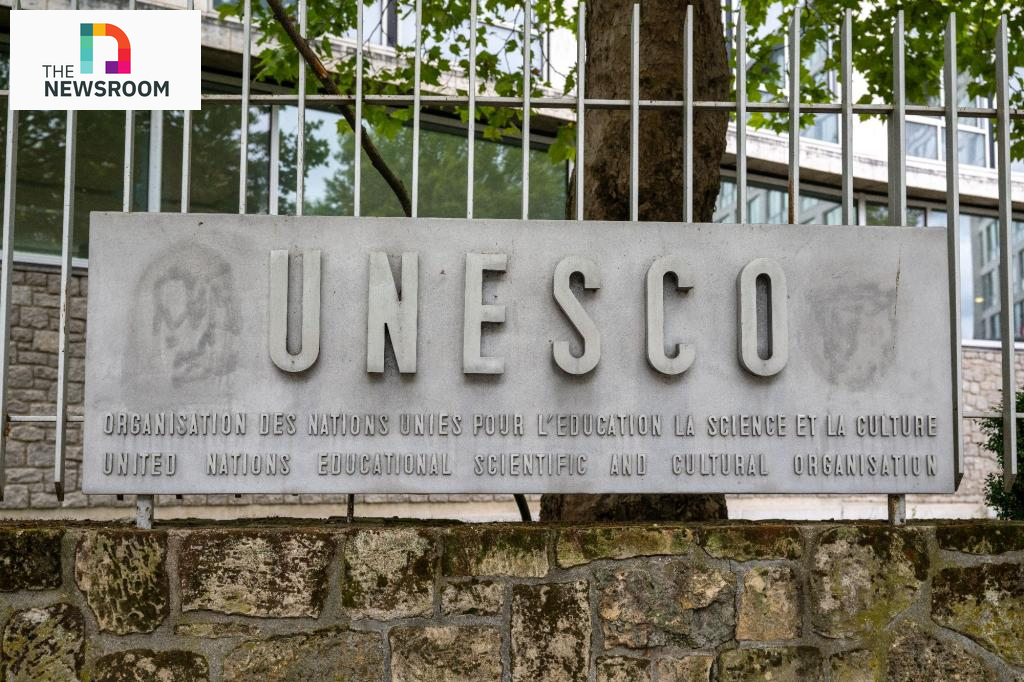
US Leaves UNESCO: What It Means for You
President Trump Announces U.S. Withdrawal from UNESCO
President Donald Trump is once again planning to withdraw the United States from UNESCO, marking the third time in history. The decision comes amid frustrations over the organization’s shift toward controversial ideological positions.
Founded to safeguard cultural heritage and promote global cooperation in education and science, UNESCO has, in recent years, adopted policies that many critics say undermine its original mission. It has become a platform for propaganda against the U.S. and its allies, with some accusing it of politicizing religious and cultural sites, such as referring to Rachel’s Tomb in Bethlehem as a “mosque,” despite it being a Jewish holy site.
Furthermore, UNESCO has been accused of supporting China’s territorial claims over Tibetan and Uyghur regions, promoting Beijing’s control over these areas, which are linked to human rights abuses recognized by many international observers.
Historically, the U.S. withdrew from UNESCO in 1984 under Ronald Reagan due to concerns about alleged global information control. The latest move by the Trump administration underscores a broader skepticism of multilateral organizations that are perceived to conflict with American values.
Trump’s decision follows his previous withdrawals from other UN bodies, such as the Human Rights Council, which was criticized for its bias and selective actions. The State Department has stated that continued U.S. involvement in UNESCO no longer aligns with national interests, particularly given its focus on the UN’s Sustainable Development Goals, which critics argue promote unwelcome deindustrialization and redistribution policies.
This action reflects growing discontent with international organizations seen as politicized and biased against American and Western interests. Critics believe that disengagement is necessary to protect national sovereignty and uphold the principles of free speech and religious freedom.