Trump’s August 1 Tariff Deadline Confirmed by Lutnik
Upcoming Tariffs Set to Take Effect on August 1
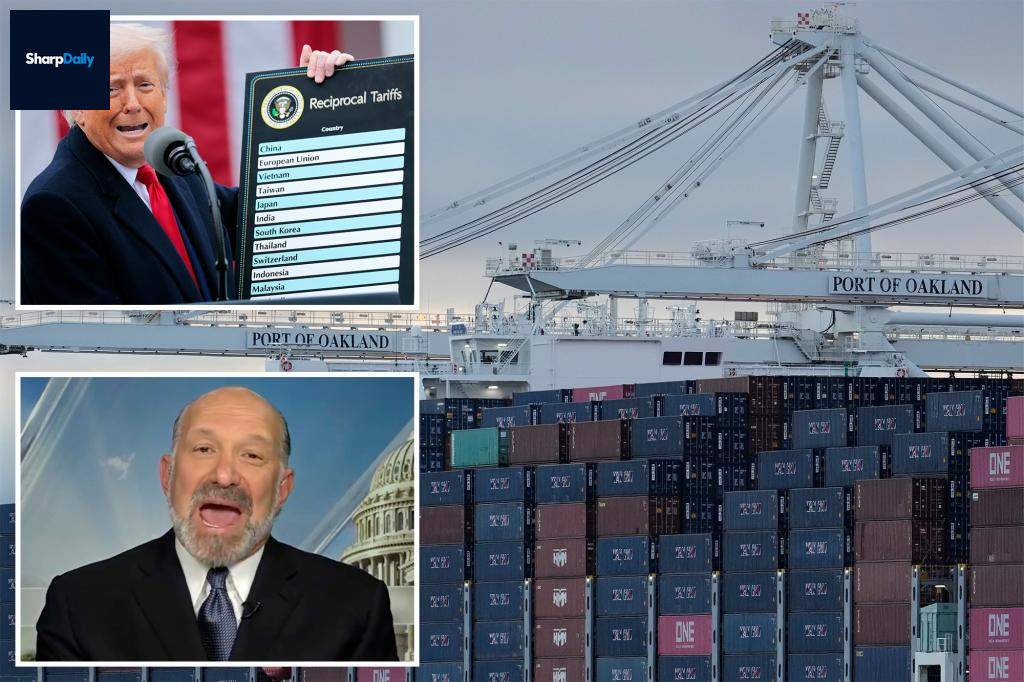
The tariffs announced by President Trump during his “Liberation Day” campaign are final and will not be postponed again, according to Commerce Secretary Howard Lutnick. The new tariffs are scheduled to begin this Friday, and customs authorities will start enforcing them immediately.
Despite the firm schedule, Lutnick mentioned that President Trump remains open to negotiations until the deadline, emphasizing that Trump prefers to handle negotiations personally. He also highlighted that the administration is prioritizing negotiations with major economies, including the European Union, which is one of the United States’ largest trading partners.
Trump initially announced a 10% tariff rate on all imports to the U.S. during his April 2 speech, targeting nearly every country. The implementation was delayed twice, now scheduled for August 1. Since then, Trump has negotiated preliminary trade agreements with the UK, Vietnam, Japan, Indonesia, and the Philippines. A temporary truce with China has been reached, with a deadline set for August 12 to finalize a broader deal.
The European Union, a group of 27 countries, has been a complex target for negotiations. Trump has also implemented tariffs on imports of aluminum (50%) and steel, as well as a 25% tariff on certain goods from Canada and Mexico, with threats to increase tariffs on these North American neighbors.
Speaking on the potential revenue from these tariffs, Lutnick stated that they could generate nearly a trillion dollars in revenue, helping to reduce the U.S. deficit. He also pointed out that many consumer prices will remain unaffected, even with the new tariffs.
Trump’s trade strategies extend to geopolitics, recently involving discussions with the leaders of Cambodia and Thailand over border disputes, and threatening Russia with 100% tariffs on Russian oil if Moscow doesn’t reach a deal with Ukraine. These actions could impact trade relations with China and India, which have been benefiting from cheap Russian oil due to sanctions.