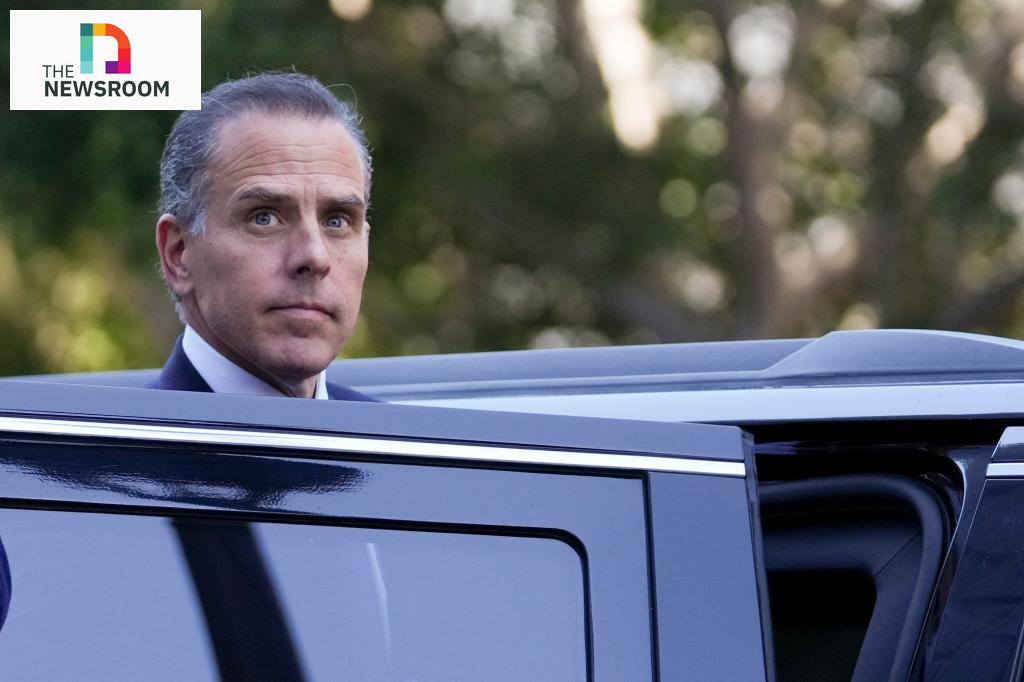
Hunter Biden Cover-Up: The Ongoing Saga
Investigations, Obstructions, and Allegations Against Hunter and Joe Biden
In the past week, Hunter Biden has reentered the spotlight, portraying himself as a victim and criticizing Democrats, while Special Counsel David Weiss delivered testimony to Congress that appeared self-serving. Weiss, a former US Attorney in Delaware who oversaw a lengthy five-year investigation into Hunter Biden, claimed there wasn’t enough evidence to prosecute Hunter under the Foreign Agents Registration Act (FARA). However, IRS investigators Robert Shapley and Joseph Ziegler, who blew the whistle after facing obstruction, argued otherwise.
Hunter Biden’s business dealings during his father’s vice presidency centered around foreign lobbying efforts. These included payments from Ukrainian energy firm Burisma, Chinese entities BHR and CEFC, and a Romanian oligarch. Emails recovered from Hunter’s laptop revealed he had arranged a meeting between Burisma and Joe Biden—specifically a private dinner in 2015 at Cafe Milano, where Hunter introduced his Ukrainian and Russian partners to the Vice President.
Further communications indicated Hunter’s ties to Blue Star Strategies, a lobbying firm hired to influence U.S. officials on behalf of Burisma. Whistleblowers testified that their team was ordered to omit references to Joe Biden from a FARA-related search warrant, citing concerns over political optics. Despite investigations into Hunter’s Ukrainian dealings, attempts to gather evidence involving Joe Biden were met with denials, cancellations, or leaks of information to protect the President.
Suspicious messages from Hunter to Chinese energy officials in 2017, demanding payments and threatening retaliation, suggested that Hunter believed his father’s involvement was part of their negotiations. When investigators tried to verify Hunter’s claims that he was with Joe Biden, they were blocked from accessing location data or confirming whether Hunter sent certain messages from Joe’s home.
The FBI’s handling of investigations revealed a stark contrast: Trump’s activities were aggressively scrutinized, while Biden-related probes faced suppression. Notably, Lawfare and selective enforcement of FARA have been used against Trump allies, such as Paul Manafort and Gal Luft, the latter of whom had provided evidence of Hunter’s foreign business dealings but was later charged after Luft exposed Hunter’s Chinese ties.
In the final days of his presidency, Joe Biden issued a broad pardon to Hunter, covering years of alleged misconduct, including gun and tax charges. Yet, Weiss forced the IRS to remove whistleblowers Shapley and Ziegler, who had disclosed DOJ interference—an action later deemed illegal retaliation. All these obstructions occurred under Weiss’s leadership, highlighting questions about the integrity of the investigation and misleading justifications offered by Weiss.