China’s Rare Earth Control Validates Trump’s Push for U.S. Independence
China Keeps Rare Earth Quota Details Hidden Amid Market Control Concerns
China’s recent move to keep its rare-earth quotas confidential underscores its intent to tighten control over global supply, reinforcing the importance of U.S. efforts toward self-sufficiency in these critical materials.
Though China’s use of export quotas dates back to 2006 to regulate supply, this year’s secrecy around quota figures is especially notable. Reports suggest Beijing has warned companies against revealing the numbers, raising concerns about transparency and market stability.
Rare earth elements are essential for many modern technologies, from laptops and smartphones to electric vehicles. They are also vital for military hardware, including drones, submarines, and aircraft. Currently, China dominates the market, producing roughly 90% of the world’s supply, with access often routed through Beijing.
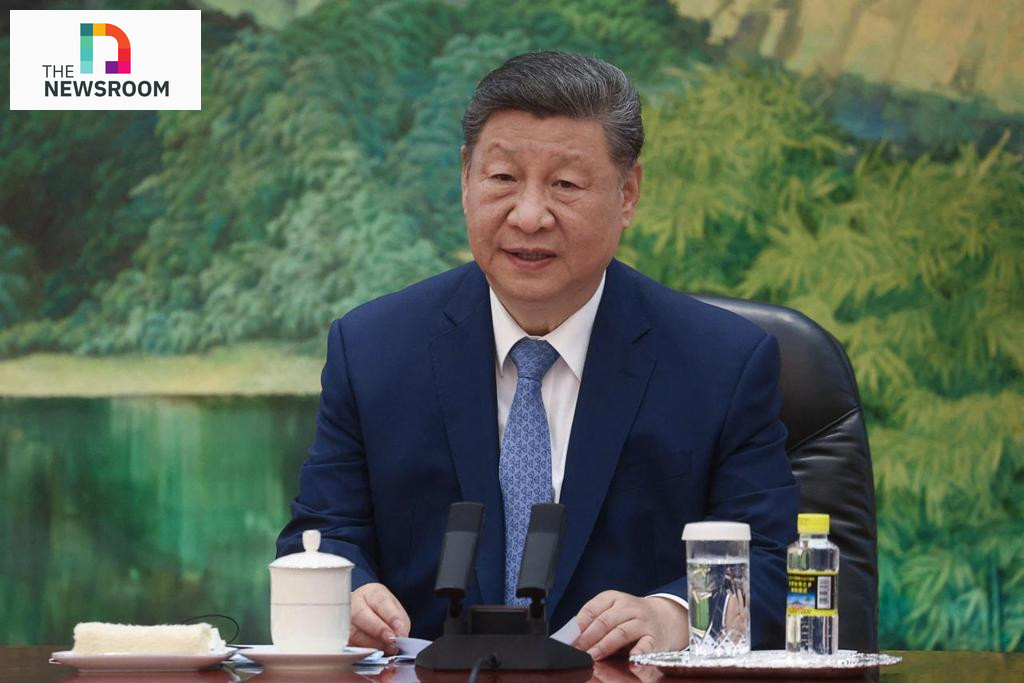
In April, President Xi Jinping leveraged this dominance by restricting exports during trade negotiations with the White House, illustrating China’s strategic use of resource control as an economic lever.
Recognizing the risk of over-reliance, the U.S. has prioritized developing domestic sources and supply chains. Recent steps include a $400 million Department of Defense investment in MP Materials, which operates the nation’s only rare-earth mine. Additionally, tech giant Apple committed $500 million to secure a stake in MP Materials, aiming to reduce dependency on Chinese imports.
Further, the United States has revived mining efforts with Ramaco Resources launching the Brook Mine in Wyoming—the first new rare-earth mine in nearly 70 years. These initiatives reflect a broader strategy to achieve energy and resource independence, supported by international collaborations like agreements with partners such as Rwanda and the Congo.
Investments in recycling old electronics to recover rare earths are also on the table, offering a sustainable supplement to mined supplies. The ongoing push for domestic production, strategic resource agreements, and recycling innovations are essential to dismantling China’s resource monopoly and securing U.S. economic and national security interests.
Continued commitment to these efforts will be crucial in transforming this strategic vulnerability into American strength.