Trump’s Cost Cutters: Lessons from Reagan’s Don Devine
Legacy of Reform and Conservative Leadership: Donald Devine’s Influence on Government Downsizing
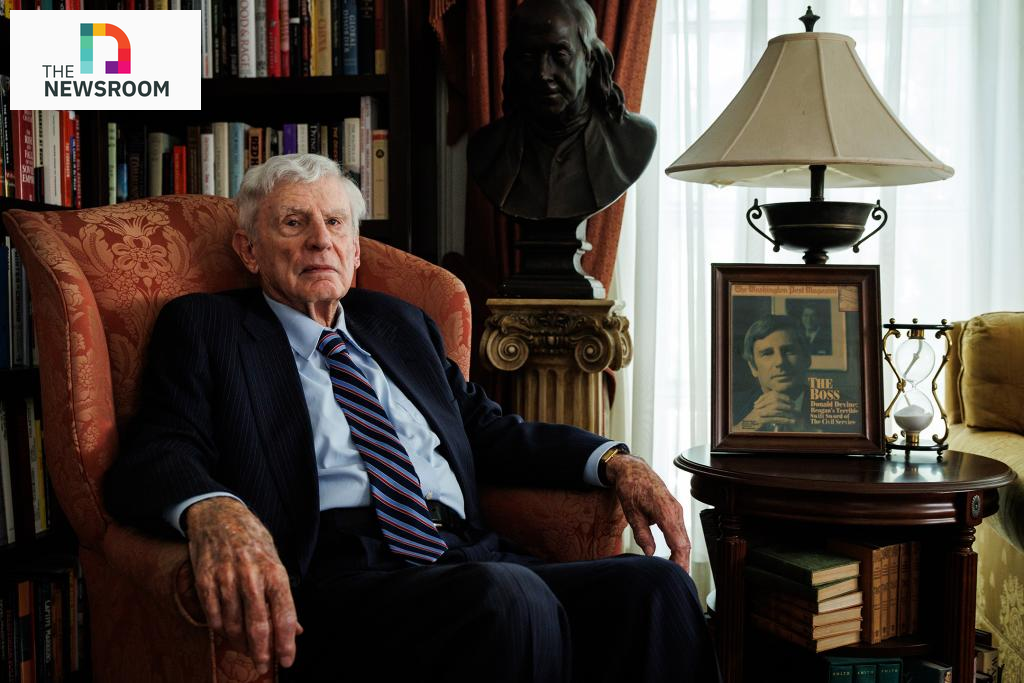
Donald Devine, a seasoned conservative strategist, played a pivotal role in shaping federal bureaucracy reform during the Reagan era. As head of the Office of Personnel Management, he successfully reduced the non-defense federal workforce by over 100,000 employees, saving approximately $6 billion through reforms in pay and benefits. His approach earned him the nickname “Reagan’s Terrible Swift Sword,” highlighting his aggressive stance on government efficiency.
Devine’s influence extended beyond his tenure, inspiring rapid personnel changes in recent administrations. Notably, during the Trump presidency, Devine’s writings on managing bureaucracy gained renewed relevance. His concise guide, “Political Management of the Bureaucracy,” became essential reading for personnel officials, emphasizing the power of small, focused groups to instigate large-scale reforms.
Despite initial setbacks, the Trump administration eventually recognized the importance of effective personnel management. Devine recalls how President Trump dismissed the ineffective personnel department and appointed a new chief, who relied on Devine’s insights to implement critical personnel shakeups.
Devine emphasizes that courage and steadfastness are essential for meaningful reform. He credits his own willingness to confront opposition with a practical mindset akin to Trump’s, highlighting how small, determined groups can change the course of history, citing examples like the Bolshevik Revolution and the influence of Jesus Christ.
Though a free-market conservative, Devine believes Tariffs could ultimately lead to a more open and libertarian global economy, viewing them as strategic bargaining tools. He considers Trump’s pragmatism and fearless approach as qualities shared with Reagan, contrasting their differing philosophical styles.
Ultimately, Devine advocates for strategic appointments and persistent political engagement to ensure effective governance reforms. His experience underscores that personnel control is inherently linked to policy outcomes, a lesson he believes is crucial for both current and future leadership.