Rare Ancient Shark Species Discovered at Mammoth Cave!
Ancient Shark Tooth Discovered in Mammoth Cave
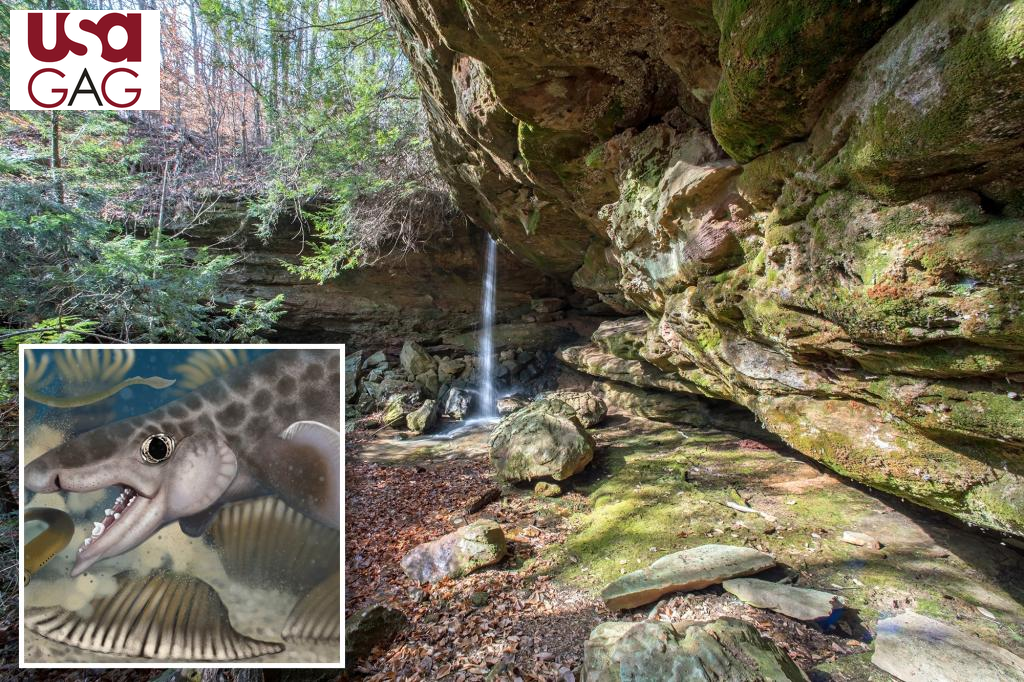
Scientists have uncovered the fossilized tooth of a previously unknown shark species, dating back roughly 340 million years, deep within the vast Mammoth Cave system in Kentucky.
The fossil, a small half-inch tooth belonging to the newly identified species Macadens olsoni, was found in the Ste. Genevieve Formation, which is estimated to be between 335 and 340 million years old. The discovery was announced shortly after the start of “Shark Week,” highlighting its significance for paleontological research.

The shark’s distinctive tooth whorl—a curved row of teeth designed for crushing small sea creatures—suggests it preyed on mollusks and worms. The species was likely under a foot long and lived in a shallow sea that once covered the region, teeming with marine life including corals and crinoids.

Superintendent Barclay Trimble emphasized the importance of this find, stating, “This discovery enhances our understanding of ancient marine ecosystems and highlights the value of preserving our natural history.” He added that each new discovery links the past with the present and provides valuable educational opportunities for visitors and students alike.
Scientists named the species after Mammoth Cave and park scientist Rickard Olson. This discovery is part of a series—marking the fifth new shark species identified within the cave system—illustrating how much remains to be learned from these ancient underground environments.