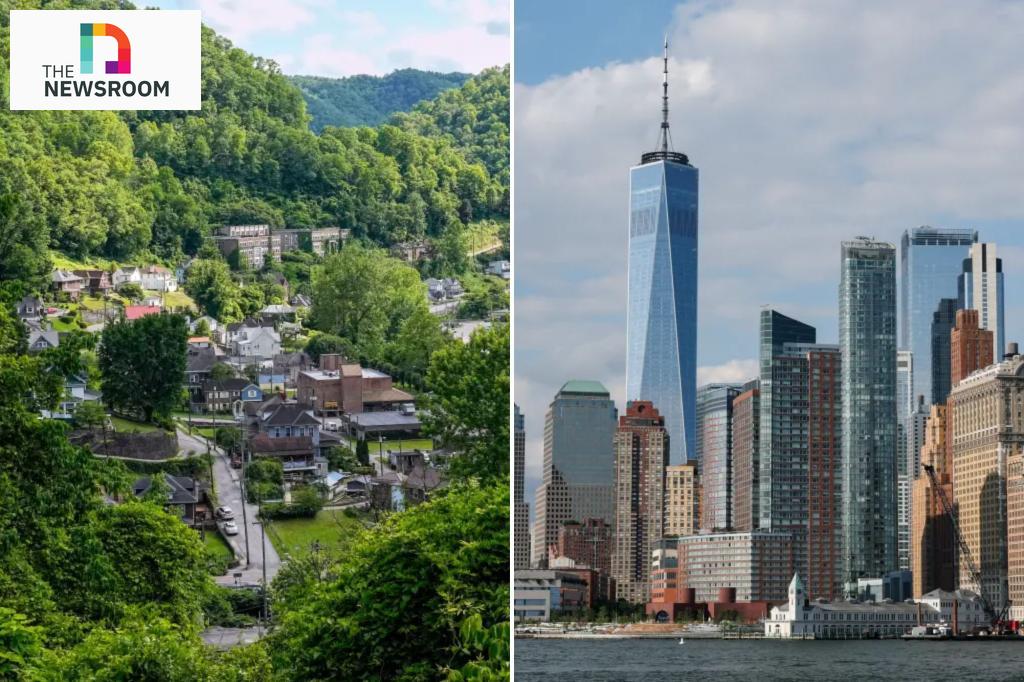
West Virginia Won’t Clean New York’s Mess
West Virginia Responds to New York’s Climate Fund Law Targeting Energy Industry
Coal miners from West Virginia historically fueled the construction of iconic American landmarks, such as the Empire State Building, Brooklyn Bridge, and subway systems. Today, the state continues to supply energy through coal, oil, and natural gas, supporting national infrastructure.
However, recent legislation in New York, known as the Climate Change Superfund Act, has sparked controversy. Signed into law by Governor Kathy Hochul, it imposes liability on energy producers for their past emissions, declaring carbon dioxide as the primary cause of climate change and attributing legal responsibility for adverse weather events.
The law requires energy companies to pay $75 billion into a state fund—funds that could otherwise support workers or infrastructure improvements. Critics warn this will lead to significant job losses and increased energy costs for consumers, disproportionately harming hardworking Americans, including those in West Virginia.
Moreover, the law employs strict liability, making energy firms accountable without needing to prove direct harm, and even targets emissions from years prior—punishing companies for lawful activities. It directly conflicts with constitutional principles, as the federal government regulates greenhouse gases through the Environmental Protection Agency, and states are limited from imposing such extrajudicial penalties on out-of-state producers.

This law bypasses due process, punishing companies retroactively and without a fair chance to defend themselves—resembling a government lowering speed limits after tickets have been issued. Such actions violate constitutional rights and the principles of justice.
In response, multiple legal entities, including West Virginia’s attorney general, trade associations, and a private energy company, have filed suit to block the law’s enforcement. They argue that it constitutes unconstitutional overreach that threatens the nation’s power grid and jobs.
Defense of energy independence and the rule of law remains vital. West Virginia stands firm against policies that threaten its industry and workers, emphasizing the importance of lawful government actions and respect for constitutional rights.
J.B. McCuskey is the attorney general of West Virginia.