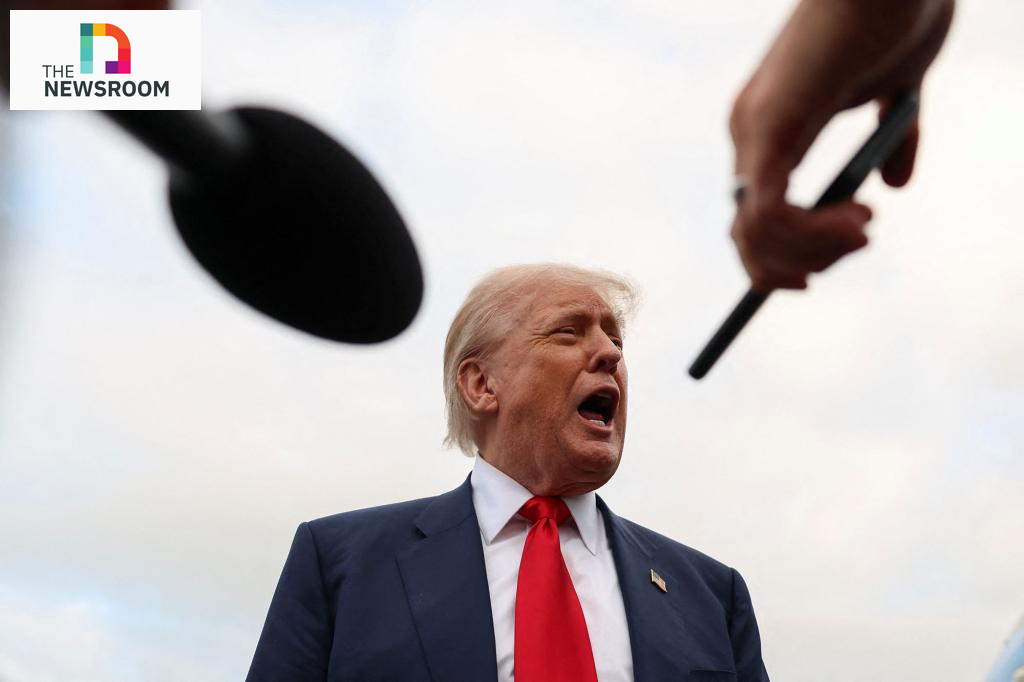
Is Trump’s Trade Strategy Finally Paying Off?
Trade Realignment Shows Promising Results
Nearly four months after President Trump announced increased reciprocal tariffs on major trading partners, the strategy appears to be effective. Over recent weeks, several countries—including the United Kingdom, Vietnam, Indonesia, Japan, and the Philippines—have agreed to lower their trade barriers and make substantial purchases and investments in the U.S.
These nations have accepted higher U.S. tariffs but have responded by reducing their own rates to near zero, helping to address the large trade deficits the U.S. has with these countries. This shift aims to rebalance trade and support American industries that have suffered from prolonged deficits and unfair trade practices.
Historically, U.S. leaders overlooked abusive trade practices, leading to job losses and weakened industries. By leveraging tariffs—an approach made possible due to the outdated and slow World Trade Organization—the Trump administration has gained more effective tools to negotiate fairer terms. These unilateral measures have allowed the U.S. to protect industries and promote competitiveness globally.
Trade representative Jamieson Greer announced that over $5.5 trillion in investments have been committed by American and foreign companies to expand production stateside. This influx of capital is expected to generate numerous jobs as new manufacturing facilities open across the country.
Additionally, the agreements provide a framework to address China’s role in global trade imbalances. While tariffs on Chinese goods were increased in 2018, China has circumvented them by rerouting supply chains through third-party nations. The new deals include measures to prevent inexpensive goods from non-market economies from entering the U.S. via third countries like Mexico and the Philippines.

These new trade policies aim to bolster key American industries such as steel, aluminum, semiconductors, and pharmaceuticals, protecting them from unfair subsidies and foreign competition.
Initially, many skeptics predicted economic turmoil following the tariff hikes. However, market confidence remains resilient, and even previous critics are now more optimistic about the U.S. trade strategy. The nation appears poised to stabilize its trade deficit, enhance economic opportunities, and strengthen national security without severe disruptions.