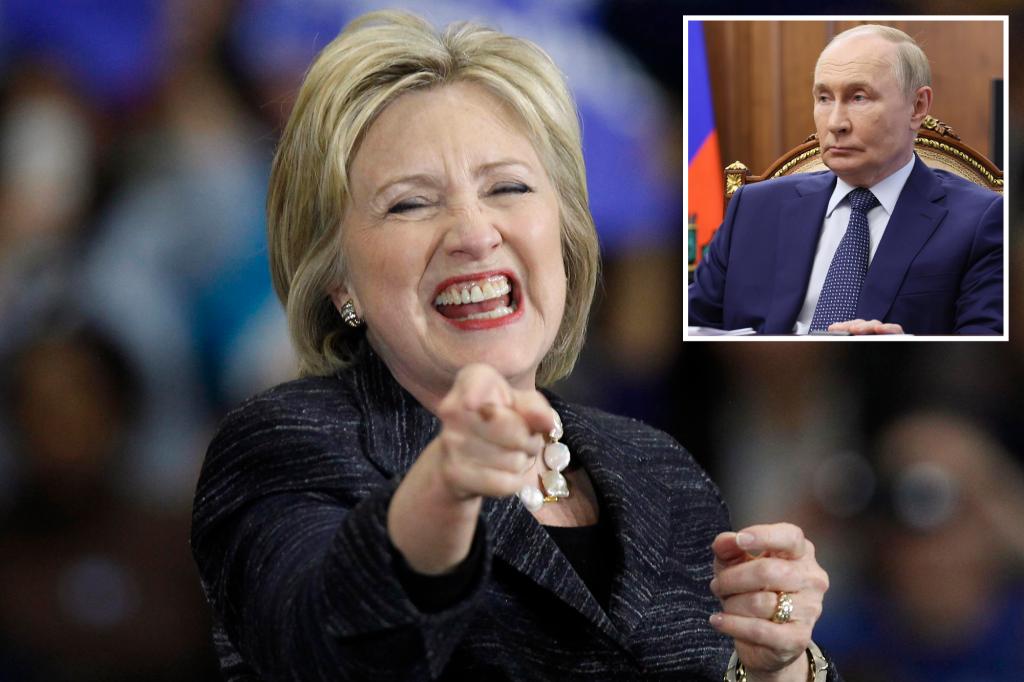
Putin Hid Hillary Clinton’s ‘Psycho-Emotional’ Struggles
Declassified Report Reveals Russia Had Damaging Information About Hillary Clinton During 2016 Campaign
A recently declassified House Intelligence Committee report sheds new light on Russia’s influence during the 2016 U.S. presidential election. It indicates that Russian intelligence agencies obtained sensitive information about Hillary Clinton, including details suggesting she was experiencing serious health issues, such as “psycho-emotional problems” being managed with strong sedatives.
The report states that Russia’s foreign intelligence service, the SVR, possessed communications indicating Clinton suffered from extreme emotional states, including uncontrollable anger and aggression. It also suggests that by September 2016, high-level Democratic figures, including President Barack Obama, recognized Clinton’s health as “extraordinarily alarming,” raising concerns about her ability to compete in the election.

The report details that Clinton’s health problems at the time involved conditions such as Type 2 diabetes and heart disease. Despite her health struggles, her team kept full details highly confidential. It also revealed that Russia, through hacking operations ordered by Putin, accessed and concealed information about Clinton’s attempts to influence religious organizations with promises of favorable treatment from a future Democratic State Department. The hackers released some emails, including those of her campaign chairman, John Podesta.

According to the report, Putin did not have a specific preference for Trump or Clinton but aimed to undermine faith in the U.S. electoral process. In what some interpret as an effort to anticipate future scenarios, Putin kept some compromising material on Clinton for potential use after the election.
The report concludes that the Russian campaign did not aim to alter the election outcome, with intelligence agencies agreeing that Russia lacked both the intent and capability to impact the election result. Extracts from the report criticize the broader “Russia hoax,” describing it as one of the most troublesome events in U.S. history, driven by misinformation and internal opposition within the intelligence community.