NYC Schools’ Soft Discipline Policy Fails to Deliver
Restorative Justice Program Fails to Improve NYC School Safety and Discipline
Despite a $100 million investment by the New York City Department of Education (DOE) to replace traditional disciplinary measures with restorative justice (RJ), recent findings suggest the initiative has been ineffective and may have worsened some issues. Reports indicate that incidents requiring police intervention have doubled from 1,200 in 2016 to over 4,120 in the first quarter of 2025, with school suspensions decreasing by nearly half. However, these reductions have not translated into safer or more orderly classrooms.
The shift, initiated in 2015 under Mayor Bill de Blasio, mandated that principals seek central approval before suspending young students in K–2 grades. Critics argue this de-emphasized accountability, resulting in chaos and increased absenteeism—now affecting roughly 35% of students, or approximately 300,000 children, who regularly miss school. Standardized testing scores further reveal stagnation, with only approximately half of students meeting proficiency in math and less than a third reaching proficiency on national assessments.
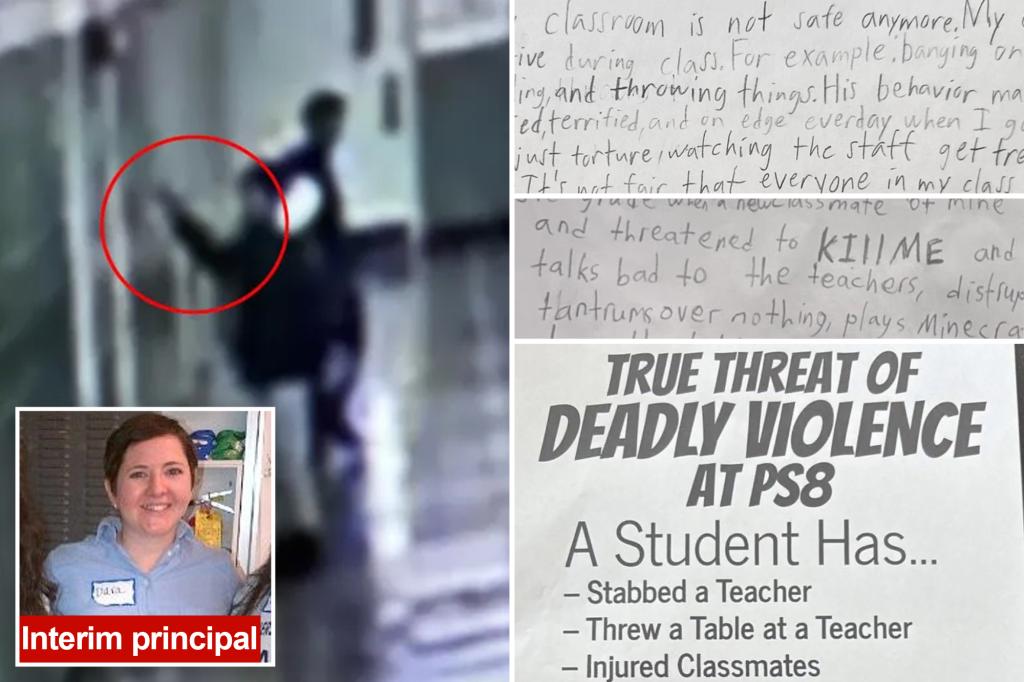
Case studies highlight troubling incidents: students subjected a teacher to Nazi salutes at Brooklyn’s Origins High School, yet interventions like parent calls and “meditation rooms” failed to stop harassment. Similarly, at PS 8 on Staten Island, parents protested after an 8-year-old reportedly stabbed a staff member with a pencil and threatened others. These incidents exemplify how a lack of consequences can leave staff vulnerable and fail to deter violent or disruptive behavior.
The report suggests the program’s shortcomings stem from insufficient infrastructure and inconsistent application. It advocates for reinstating traditional disciplinary actions, including suspensions, for serious misconduct. Experts warn that RJ, when applied exclusively, can diminish order and accountability, ultimately harming the school environment.
The DOE defends its approach, citing a 48% drop in suspensions and claiming that students are safer and more engaged under the current system. Nevertheless, critics emphasize that without clear boundaries and proper enforcement, restorative justice alone cannot resolve underlying behavioral issues or improve overall school safety.