NYC Volunteers Net Thousands of Eels to Aid Science
Middle Schoolers Count Thousands of Eels in Richmond Creek
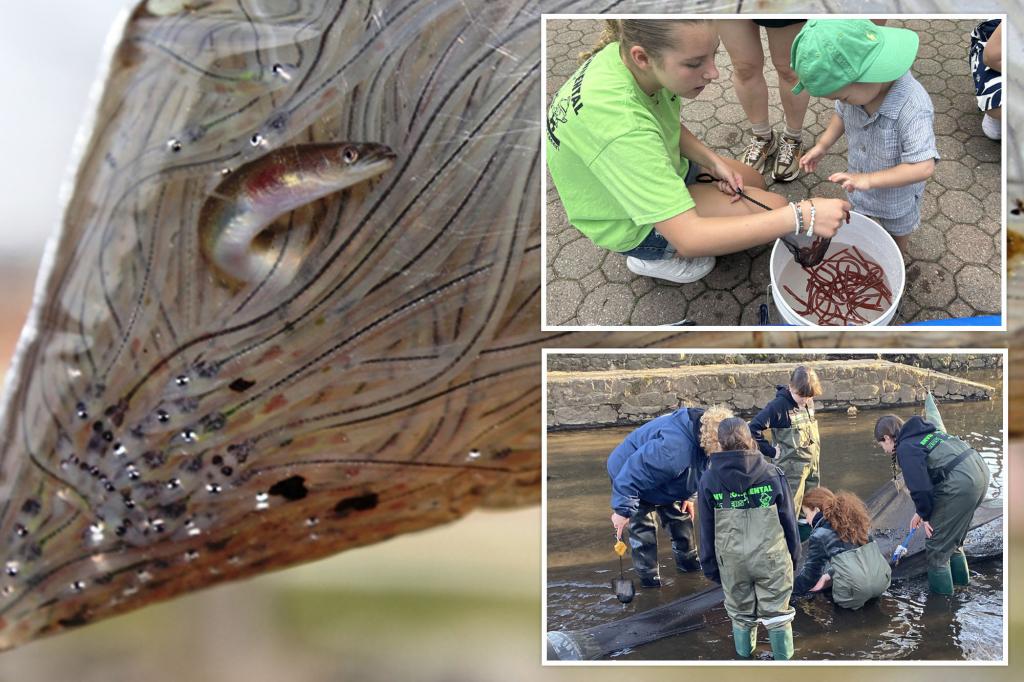
This spring, eighth-graders on Staten Island participated in a unique natural observation, tallying nearly 11,000 juvenile eels called “glass eels” as part of an annual survey.
Equipped with nets, students waded into Richmond Creek to catch and count these tiny, almost transparent eels migrating from the Atlantic Ocean into estuaries along the Hudson River. Some students named their catches after heroes like LeBron James and Michael Jordan before releasing them back into the water.

One of the students, Mark Geissler, noted, “It was fun to do, and I learned more about eels and environmental health.” Over three trips in April, he and his friends identified and released up to 400 eels, often giving them names inspired by notable figures.
The students used special nets to observe these small fish amid waterways monitored by the Department of Environmental Conservation as part of the eel count program. This effort helps assess the health and population trends of American eels, which, although not endangered, are classified as “depleted” due to threats like overfishing and barriers from dams.

Chris Bowser, the project leader, explained, “We aim to get a sense of eel migration timing and population size over the years.” The consistent count of around 140,000 eels across 12 sites suggests the population remains stable.

The program also serves an educational purpose, making science accessible and encouraging students to learn about their local waterways. Many volunteers return yearly, inspired by the hands-on experience that deepens their understanding of nature and ecological dynamics.

Mary Lee, a science teacher, shared, “The kids love this count. Many buy their own waders to participate whenever they can. It’s exciting to see them understand how tides affect eels’ upstream journey, turning the count into a friendly competition.”
Overall, the eel count provides valuable data while fostering a passion for ecology among young people, making it a fun, educational, and vital conservation effort.