Rabies Threat Emerges on Long Island; Health Officials Link to NYC
Rabies Threat Emerges on Long Island: County Reports Multiple Cases Among Wildlife
Nassau County has declared rabies an imminent public health threat after confirming numerous cases among local wildlife, including raccoons and feral cats. The county reports 22 rabid raccoons and three infected feral cats in the past year, suggesting a wider spread beyond initial hotspots. Officials believe some of these animals may have originated from New York City, where rabies control efforts have been reduced, allowing the virus to spread into Nassau.
Confirmed cases have been detected across various neighborhoods, including Roslyn Heights, Old Brookville, West Hempstead, and others, with recent sightings in the Massapequa and Farmingdale areas, near Suffolk’s confirmed cases. The situation is concerning because feral cats could serve as an intermediary, transmitting rabies between wildlife and humans or pets. The cats, found near Queens in 2024, have heightened concerns about potential transmission risks.
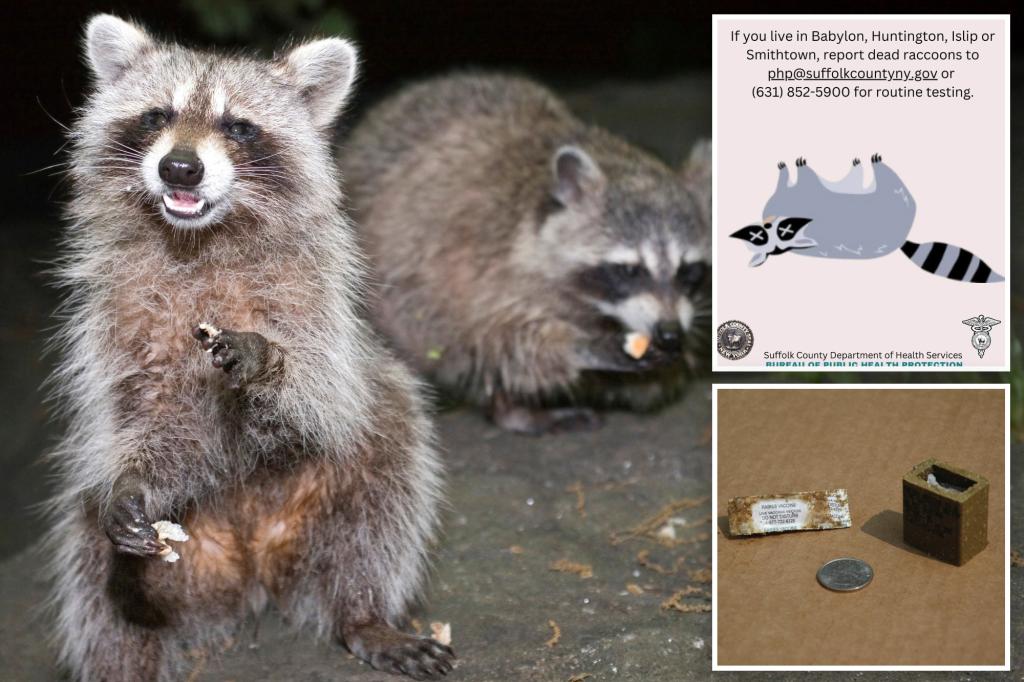
While human rabies cases have not been reported in Nassau, authorities are taking proactive measures, including distributing oral rabies vaccines via bait drops scheduled for fall. Suffolk County plans similar baiting efforts in towns like Babylon and Huntington, targeting raccoon populations in particular. The bait, infused with a fishy scent, is highly attractive to raccoons but not to dogs, minimizing accidental ingestion by pets.

Health officials warn that raccoons emerging in daylight do not necessarily indicate rabies, but erratic and aggressive behavior strongly suggests infection. The best prevention for pet owners is to ensure animals are vaccinated and avoid contact with wildlife, as officials emphasize the importance of proactive measures now to prevent a larger outbreak.