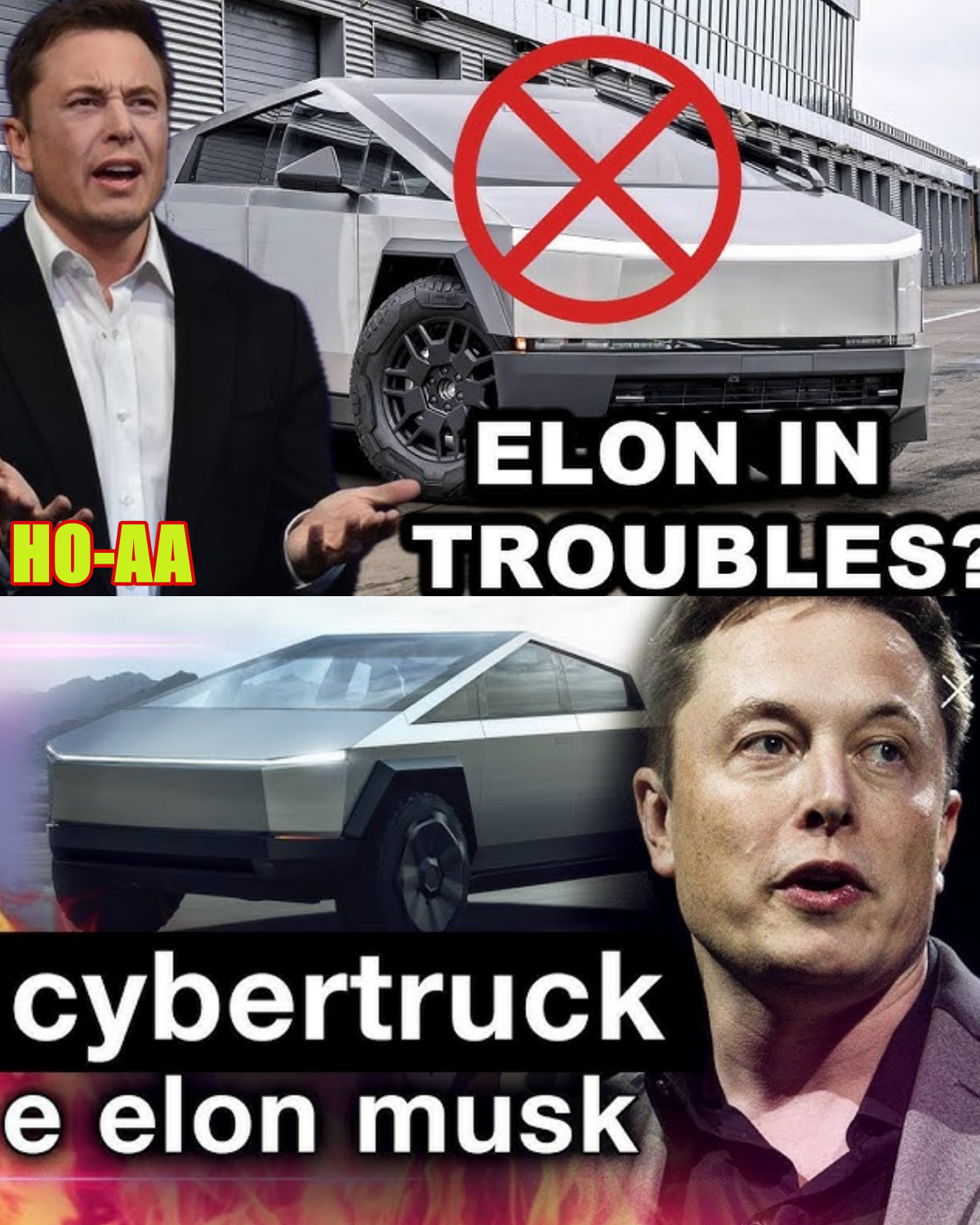
Is Tesla’s Cybertruck Elon Musk’s Biggest Failure?
Disappointing Sales and Production Challenges
Initially, the Cybertruck garnered over a million reservations, with Elon Musk aiming for 250,000 deliveries annually. However, actual deliveries have fallen far short, with fewer than 40,000 units shipped in 2024 and only around 7,100 in the first quarter of 2025. Many trucks remain unsold, cluttering lots across different regions, including over 100 in Michigan, which has led to zoning issues.
The declining demand raises questions about whether the issue stems from supply constraints or diminished consumer interest. Despite Musk’s claims of high demand, sales volumes have not sustained expectations.
Production Woes and Recalls
The Cybertruck has faced consecutive recalls—eight in total—covering issues such as accelerator pedals, windshield wipers, and exterior trim failures. More severe problems include cracked windshields, dislodged panels, and steel shattering in cold weather. These quality concerns caused Tesla to suspend deliveries temporarily, revealing a rushed production process that compromised quality, sometimes using unconventional methods like soap as lubricant in manufacturing.

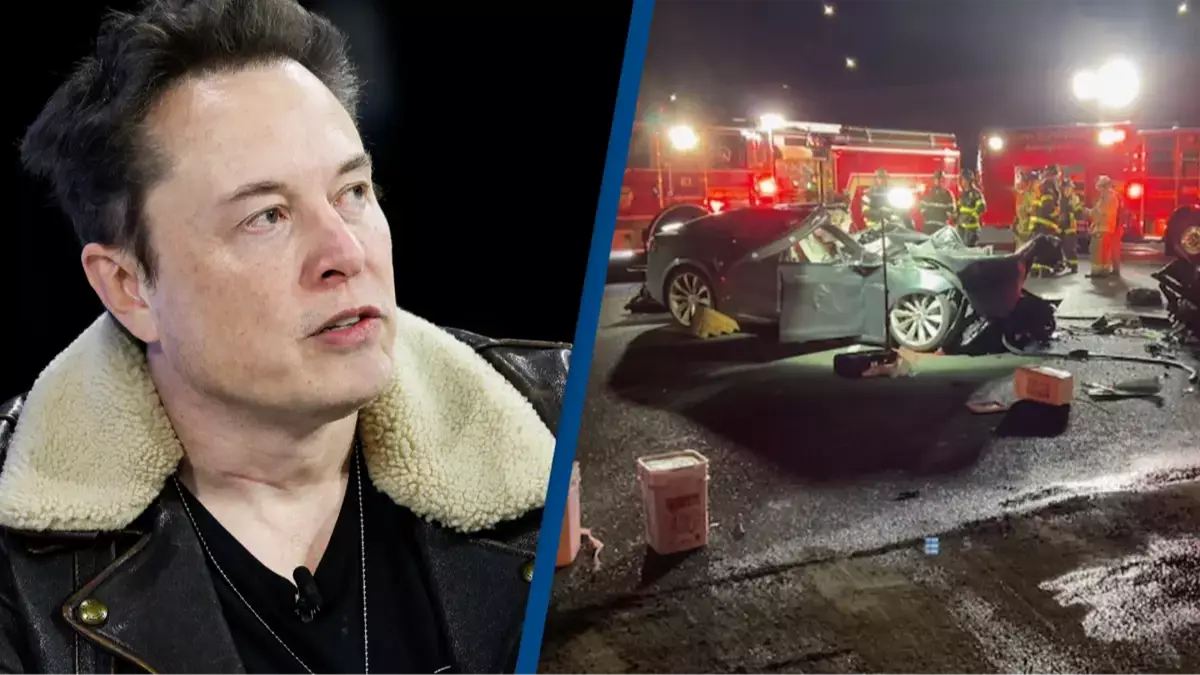
Safety incidents and technical faults have further tarnished the vehicle’s reputation, with some reports of self-driving system failures and physical damage during accidents, raising doubts about technological reliability.
Brand Impact and Leadership Criticism
The Cybertruck controversy has become a branding crisis, fueled by public backlash over Musk’s political stances, which has led to vandalism and decreased consumer confidence, especially in Europe and China. Tesla’s market share in these regions has fallen sharply, and even conservative buyers are wary of the vehicle’s futuristic design and Tesla’s divisive leadership.
The decline in reputation has also impacted resale values, which have fallen over 45% within a year—worse than typical depreciation—and Tesla now offers significant discounts, leading to an inventory surplus worth around $200 million.

Lessons and Future Outlook
The Cybertruck’s troubles highlight systemic issues in Tesla’s scaling process, with production delays and quality lapses reflecting the risks of rushing to market with complex innovations. Internal efforts now focus on repositioning the vehicle as an everyday utility pickup rather than a futuristic icon, aiming to rebuild trust and viability.
Overall, the Cybertruck episode is seen as a cautionary tale of overambition, illustrating how mismatched expectations, technical issues, and leadership challenges can undermine even the most innovative projects. Whether Tesla can recover by focusing on quality and realistic goals remains an open question, but for now, the vehicle stands as a stark symbol of a venture that struggled to meet its bold promises.