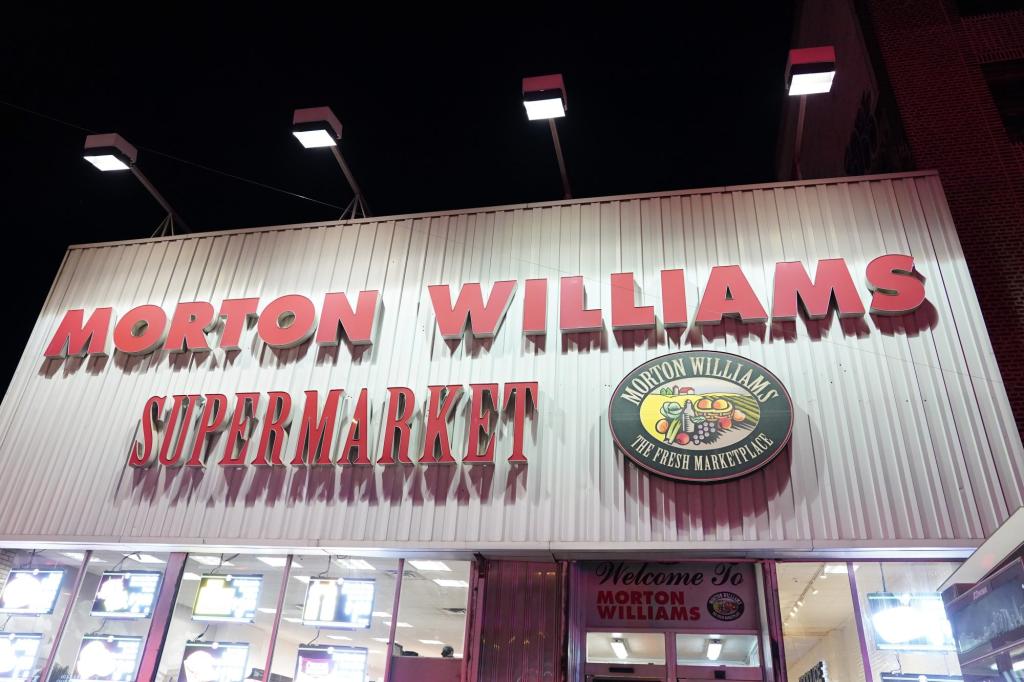
Capitalism, Not Socialism, Holds the Key to Fix NYC’s Food Woes
Addressing Food Access in New York City: Public vs. Private Solutions
One of the most radical ideas proposed is the creation of government-owned supermarkets, aiming to improve access to affordable fresh food in underserved neighborhoods. While the concern about food deserts is valid—many residents, especially the elderly and disabled, face long walks and high prices—history shows that public grocery stores often struggle and fail to deliver sustainable solutions.
For example, in neighborhoods like the Bronx’s Andrew Jackson Houses, residents pay significantly more at nearby bodegas than at supermarkets, yet many dismiss the idea that city-run stores could succeed. Critics argue that supermarkets are complex, low-margin businesses reliant on volume, efficiency, and sophisticated operations that governments might not be equipped to handle. Some, like Kansas City, have invested millions into city-owned stores that remain plagued with issues.
Additionally, city policies such as high wages, taxes, and congestion charges can inadvertently increase food prices, making government-run stores less appealing. Private-sector efforts, however, are already making strides. Online grocery delivery services like Amazon Prime, Fresh Direct, and BJ’s Wholesale Club are actively serving public-housing residents, often delivering fresh produce directly to their apartments. This market-driven approach leverages high volumes to keep prices low.
Urban properties like NYCHA campuses could, in theory, host low-cost supermarkets on their grounds—a concept supported by some residents and advocates. However, NYCHA’s historical ban on commercial businesses for decades prevents this from happening. Opening up city land for private grocery operations might be a practical alternative.
Innovative solutions like “Shared Grocery Delivery Centers”—proposed by former city officials—could also help by establishing centralized delivery points within public housing, reducing costs and delivery barriers. Negotiating lower delivery fees and encouraging competition among providers could greatly expand affordable, healthy food options without relying solely on public ownership.
Ultimately, leveraging private enterprise and online shopping appears to be the most effective path forward, offering residents better access to affordable nutrition without the pitfalls of government-run stores. This approach recognizes the strengths of the private sector in providing efficient, cost-effective solutions to urban food deserts.