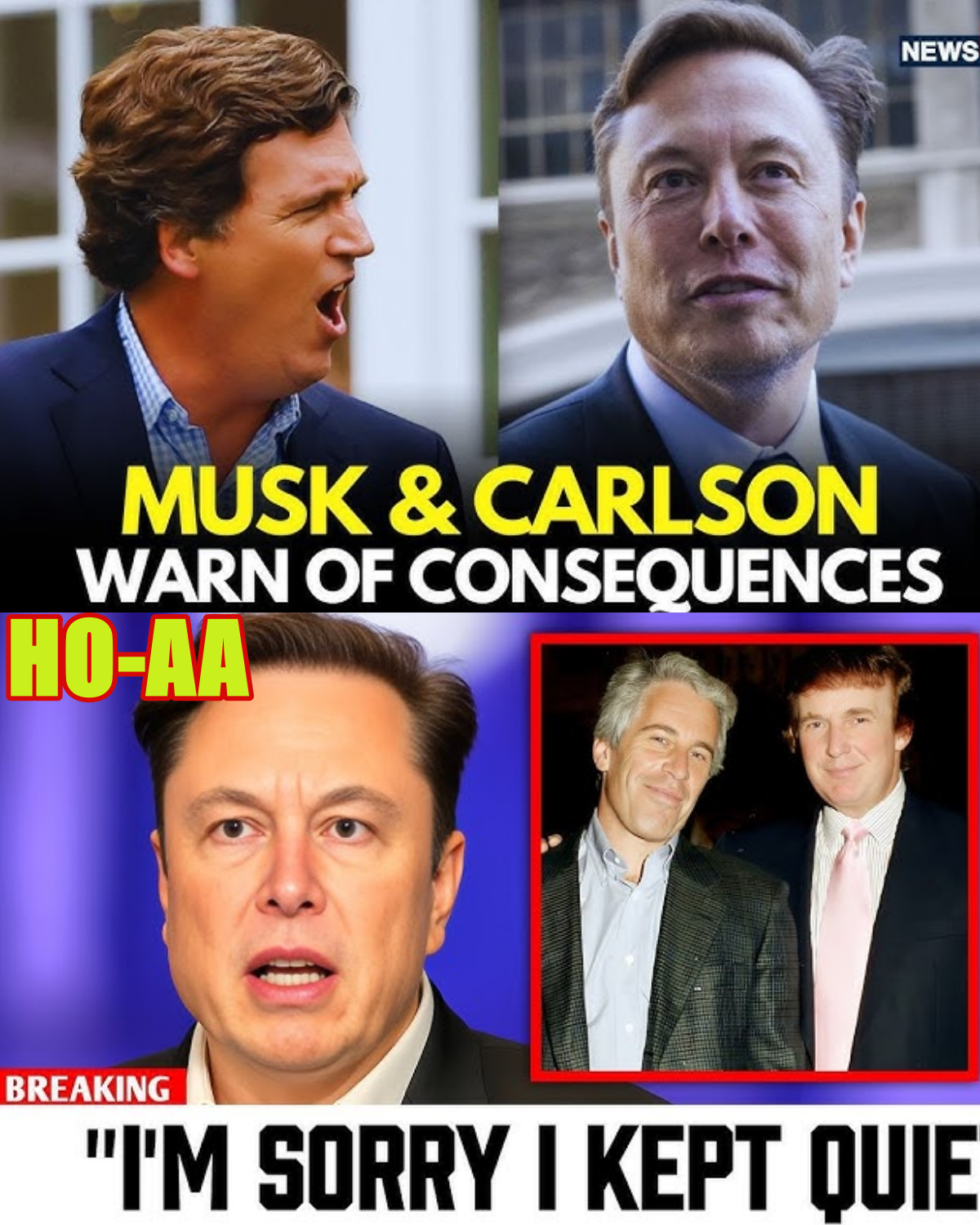
Elon Musk & Tucker Carlson Warn of Consequences if Trump Admin Hides Epstein Info
Musk, Carlson, and the Epstein Files: A Political Clash
In early June 2025, Elon Musk and Tucker Carlson garnered national attention by publicly suggesting that the government might be hiding crucial information related to Jeffrey Epstein, including a supposed “client list” that could possibly involve prominent figures like Donald Trump. Musk accused the government on social media of concealing potentially explosive evidence, which he believed could reveal why certain files have never been made public. Carlson echoed this sentiment, framing the issue as a threat to constitutional transparency and national security.
Elon Musk made headlines when he claimed that Trump’s name appeared in Epstein’s files, implying the existence of a cover-up. Although he later deleted the post, screenshots circulated widely, and Musk maintained that if true, it would explain why these files remain sealed. His statements signaled a loss of faith in official narratives regarding the Epstein case.
Musk’s Public Accusations
Musk alleged publicly that Trump is “in the Epstein files,” raising suspicions about why the information has not been disclosed. His comments sparked controversy and added fuel to conspiracy theories about elite entanglements with Epstein’s network.
Carlson’s Support and Media Echo
Former Fox News host Tucker Carlson criticized official investigations, describing the FBI and DOJ reports denying the existence of a Clinton-era “client list” as a “cover-up.” Carlson questioned whether intelligence agencies are shielding powerful individuals under the guise of national security. His stance closely aligned with Musk’s claims, suggesting a shared narrative about elite collusion to suppress damaging truths.
Official Rebuttals and Political Fallout
Despite Musk and Carlson’s claims, early July 2025 saw the DOJ and FBI release a memo denying the existence of a secret Epstein client list, affirming Epstein’s death by suicide and dismissing conspiracy theories. This response intensified tensions: Musk and Carlson alleged that the memo was fabricated to conceal the truth, fueling distrust among their audiences.
In response, Trump dismissed the controversy, warning Musk of possible consequences and suggesting that Musk’s political rhetoric could threaten his business interests. Meanwhile, some supporters within the MAGA community expressed outrage over the perceived betrayal, further splitting alliances within the political landscape.
Implications and Broader Impact
The dispute underscores growing distrust in law enforcement, intelligence agencies, and the justice system. Musk and Carlson’s narratives reflect a broader trend of wealthy individuals challenging official narratives, which threatens to deepen polarization. The controversy raises critical questions about transparency, political influence, and the integrity of investigations into elite misconduct—issues that resonate strongly amid ongoing political tensions and upcoming elections.