
Yung Miami & Diddy’s Viral Rumor Trap
When Gossip Becomes a Weapon
In today’s digital landscape, rumors spread rapidly, often outpacing facts. A simple photo posted by a celebrity couple can quickly turn into a flood of speculation about their personal lives, health, and finances—sometimes even involving completely false stories. Recently, Sean “Diddy” Combs and rapper Yung Miami have become embroiled in such damaging gossip, crossing ethical boundaries and invading their privacy.

Social media has amplified unfounded claims about Diddy’s health, including false rumors of HIV-positive status, fueled by edited clips, hearsay, and viral TikTok videos. No credible sources have confirmed these allegations, yet they continue to circulate and gain traction.
Diddy & Yung Miami: A Public Relationship Under Scrutiny

Sean Combs and Yung Miami of City Girls have been linked romantically since 2021. Despite sharing moments publicly, their relationship remains ambiguous, prompting intense online speculation. Critics question why Diddy hasn’t publicly acknowledged her as his partner, and why she continues to work with others, fueling gossip and conspiracy theories.

By late 2023, speculation darkened, with rumors about Diddy’s health, finances, and legal issues spreading rapidly. Silence from the couple has often been misinterpreted as guilt, while their legal and personal circumstances may restrict their responses.
The Power of Viral Misinformation
A notorious example is the false claim that Diddy is HIV-positive, which spread despite lacking any confirmation. Content creators often pair real footage with sensational headlines—like “Yung Miami exposes Diddy’s secret health battle”—to generate views. These tactics rely on implied credibility, emotional manipulation, confirmation bias, and platform algorithms that reward engagement over accuracy.
:max_bytes(150000):strip_icc():focal(749x0:751x2)/sean-janice-combs-tout-100724-8852deb8664844de81962739635ad021.jpg)
This misinformation can severely damage reputations, especially when targeted at public figures like Yung Miami and Diddy, who face both rumors and legal challenges. Their silence often becomes weaponized, feeding into conspiracy theories and false narratives.
The Role of Media Responsibility
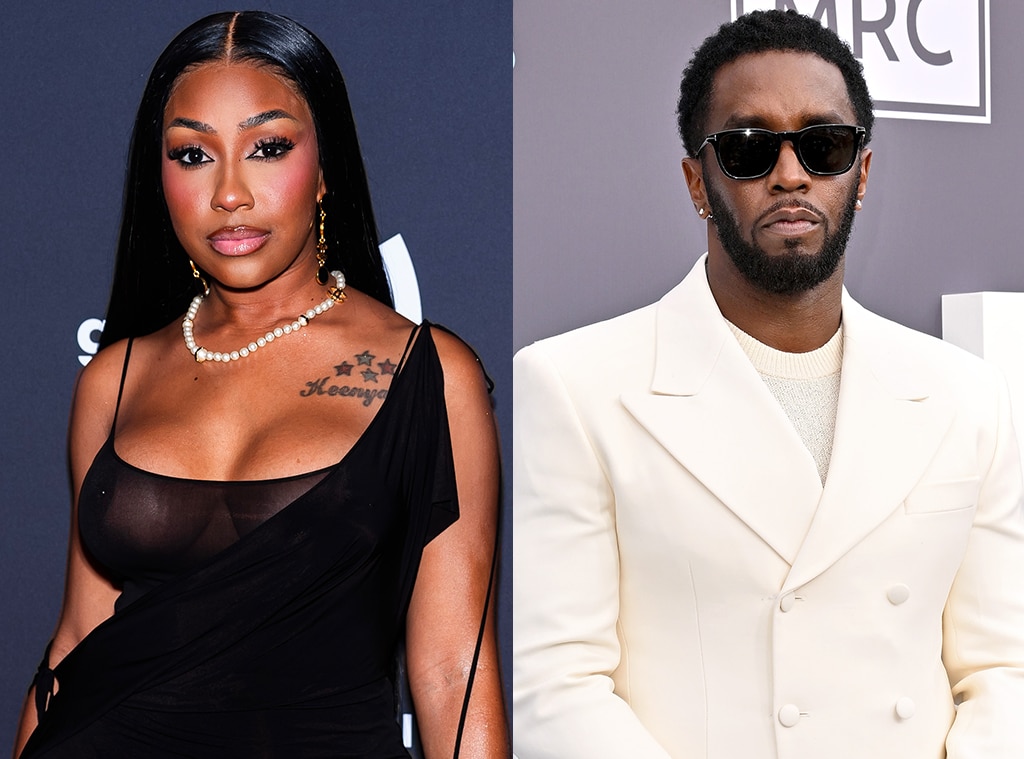
The rise of sensational content raises concerns about platform accountability. Social media platforms prioritize engagement, which can incentivize the spread of misinformation. This environment erodes public trust and can have serious consequences, including harming reputations and influencing perceptions based on falsehoods.
The Human Cost of Online Rumors

For those targeted, such accusations can be psychologically damaging. Yung Miami’s silence, for example, is often misinterpreted, intensifying her distress. Gender and racial biases further complicate these narratives, portraying women like Miami as manipulative or vengeful. Without official statements, misinformation proliferates, with harmful effects on personal well-being and public perception.
The Impact of Silence and Responsibility

Neither Diddy nor Yung Miami has publicly addressed the rumors about HIV, leading to assumptions that silence equates to guilt. In reality, silence can be strategic or protective, especially amid ongoing legal cases or personal privacy concerns. This silence allows misinformation to flourish, emphasizing the need for responsible media and informed audiences.
Media Ethics in the Digital Age
The rise of viral rumors highlights challenges in media responsibility. Platforms must consider how to regulate harmful content and promote accurate information. As consumers, we should critically evaluate what we see online, recognizing that engagement-driven algorithms can prioritize sensationalism over truth. Misinformation erodes trust and can have real-world consequences if health or legal rumors are believed, emphasizing the importance of responsible journalism and critical thinking in the digital age.
Conclusion
In the world of online rumors, truth often takes a backseat to engagement. Public figures like Diddy and Yung Miami are especially vulnerable to character attacks and false narratives that impact their mental health and reputations. The rapid spread of misinformation underscores the need for greater accountability, media literacy, and caution in what we choose to believe and share.