Colossal Eruption Creates 250,000-Mile ‘Canyon of Fire’ on the Sun (Video)
Solar Eruption Creates “Canyon of Fire” During Filament Explosion
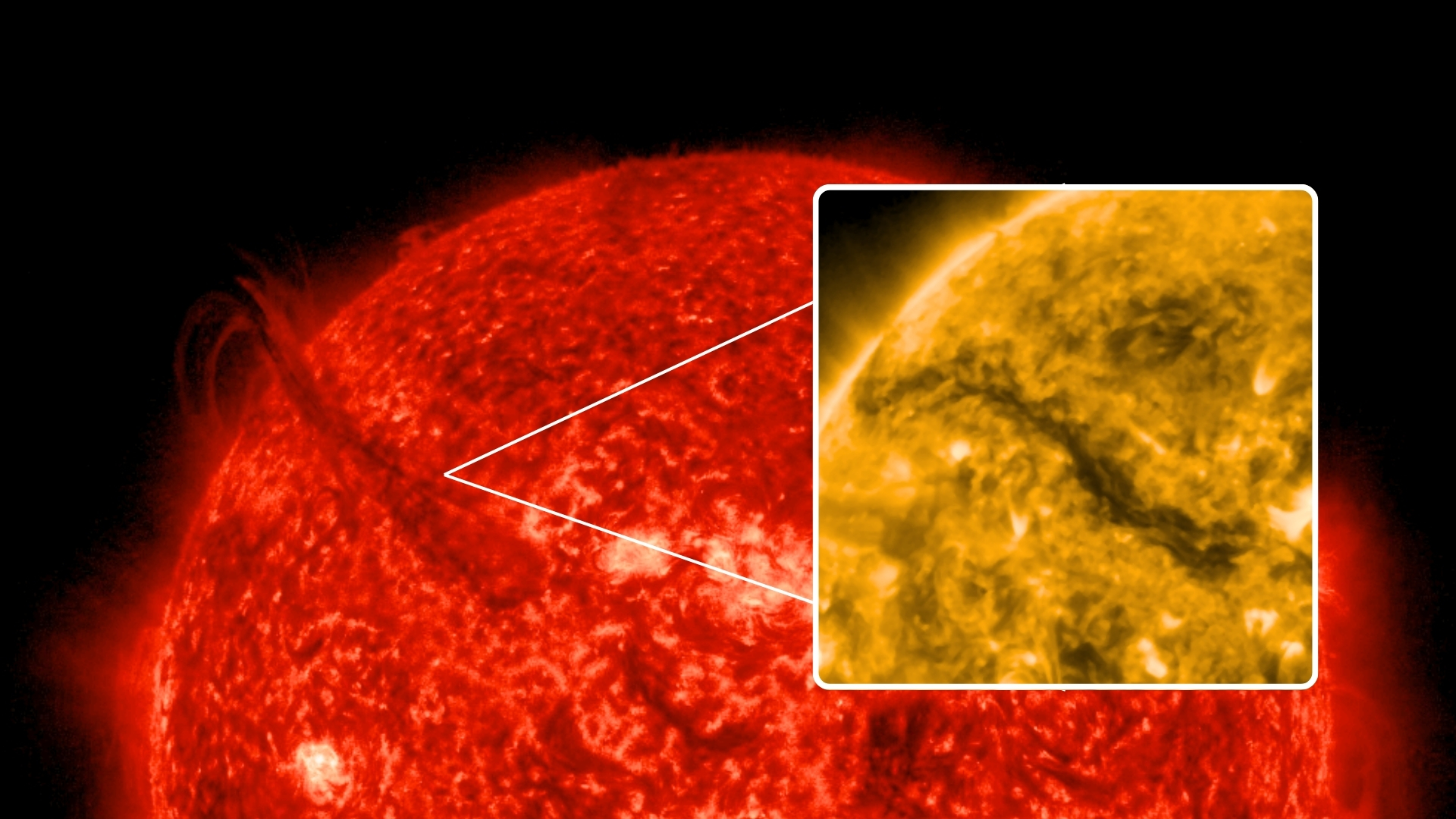
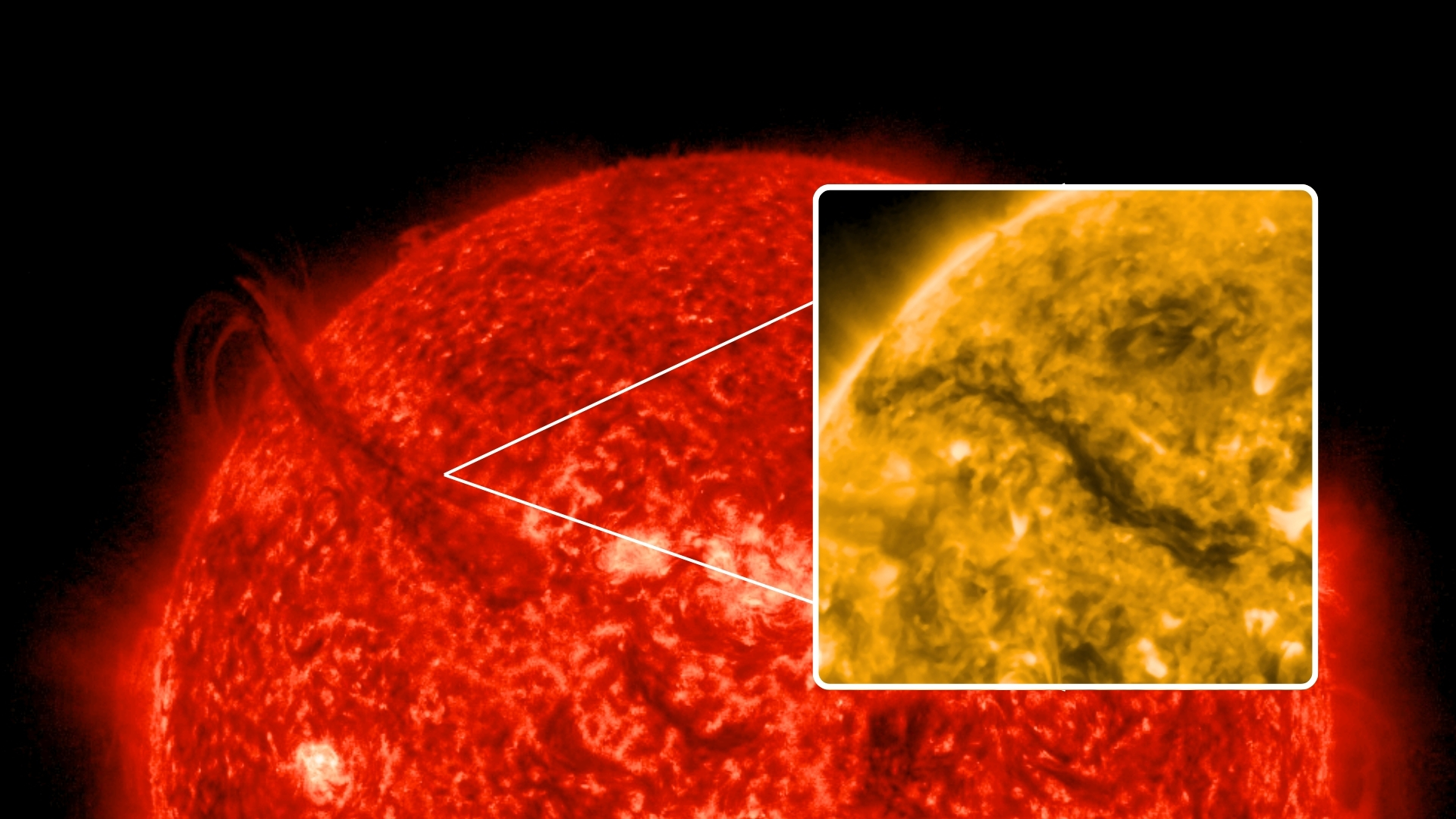
On July 15, a massive filament erupted from the northeastern edge of the sun, temporarily reshaping the solar surface and launching a coronal mass ejection (CME) into space. The event was so intense that it carved a glowing trench of hot plasma over 250,000 miles long—about the distance from Earth to the Moon.
This dramatic explosion was captured in detail by NASA’s Solar Dynamics Observatory (SDO), showing the filament unraveling as solar material surged through the sun’s atmosphere. As the filament collapsed, it left behind a towering “canyon of fire,” with walls reaching at least 12,400 miles high.
These luminous rifts form when the sun’s magnetic field lines violently snap and realign after an eruption, creating a searing hot trench of plasma that traces the magnetic field’s reshaping. Filaments, which are cooler, dense ribbons of solar material suspended above the surface by magnetic fields, can erupt dramatically when instability occurs. Such eruptions can send CMEs—powerful bursts of solar plasma and magnetic fields—into space, potentially impacting Earth and causing geomagnetic storms.
Imagery from the Solar and Heliospheric Observatory (SOHO) and GOES-19 indicates that while this filament eruption did produce a CME, it was not directed towards Earth. The CME is moving away from the planet at a relatively slow pace.
Such events highlight the dynamic and violent nature of our star, offering valuable insights into solar activity and space weather forecasting.