Tesla’s Hidden Troubles Unveiled – What You Need to Know
Tesla Faces Financial and Market Challenges Amid Political Turmoil
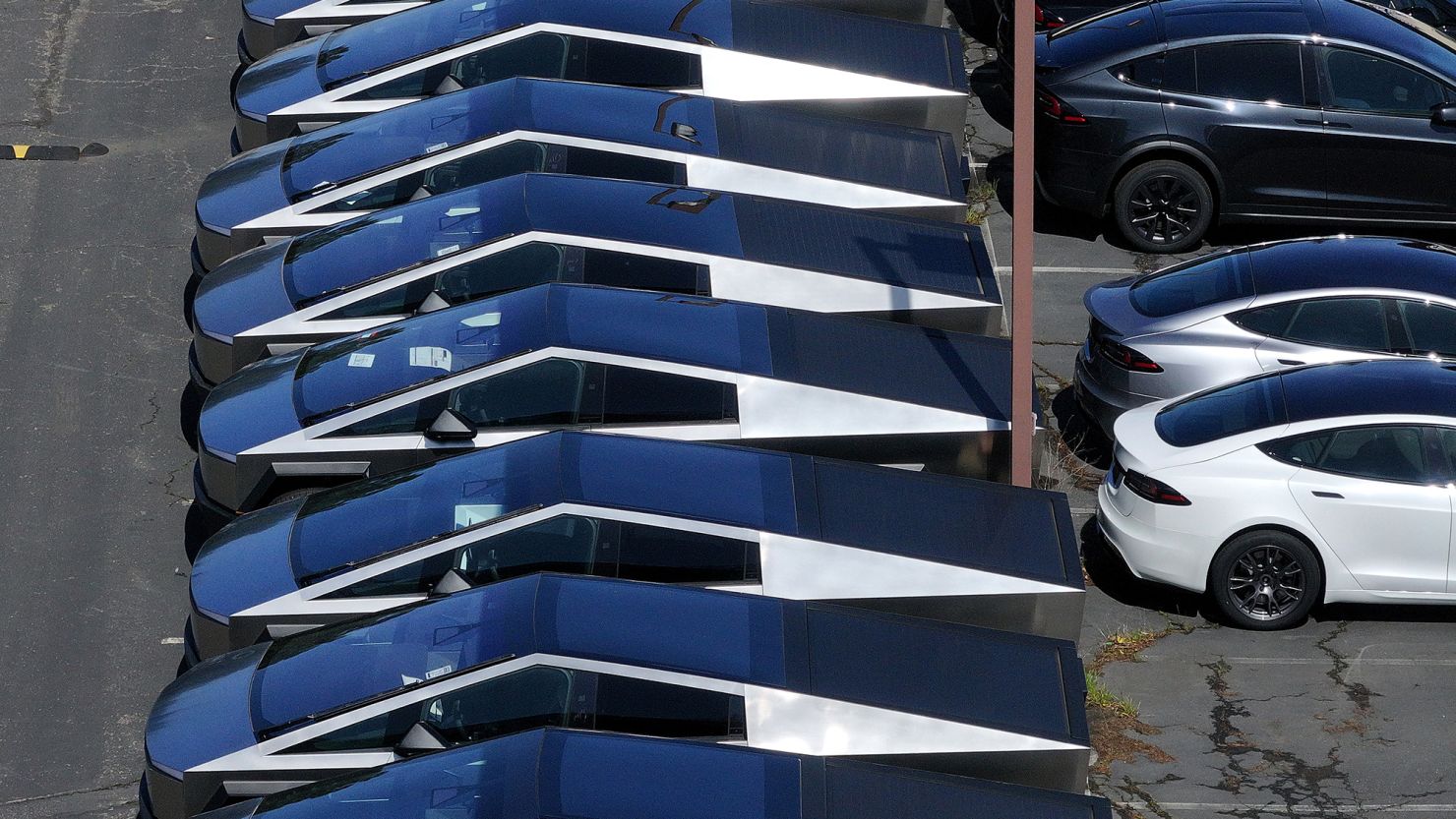
Tesla’s recent struggles extend beyond CEO Elon Musk’s controversial social media disputes, including a public spat with former President Donald Trump. Over the past two quarters, Tesla reported its two largest sales declines in history, signaling deeper issues within the company’s financial health.
Despite the political drama, Tesla’s revenue outlook is deteriorating independent of Musk’s personal politics. The company had relied heavily on the sale of regulatory credits—adding over $10 billion since 2019—to bolster profits. The recent removal of federal incentives and the elimination of penalties for automakers failing to meet emissions standards have diminished demand for these credits, risking a return to unprofitability.
In addition, Tesla’s market share is shrinking amidst rising competition from both Western automakers and Chinese firms like BYD, which is projected to surpass Tesla in global EV sales this year. The expiration of a $7,500 tax credit expected in October could further depress sales, as reflected in past reductions in vehicle prices following similar policy changes.
Meanwhile, Musk has downplayed recent setbacks, emphasizing the company’s future focus on autonomous vehicles, artificial intelligence, and robotaxi services. However, these efforts face hurdles: Tesla’s limited and problematic robotaxi rollout has yet to rival established services like Waymo, which is expanding into new markets.
Adding to Tesla’s challenges, investor concern has grown over Musk’s increasing involvement in politics. Share prices fell nearly 7% following his recent political actions, prompting analysts to suggest that Musk’s political pursuits may distract from the company’s critical growth initiatives. Some experts advocate for the board to establish boundaries to protect Tesla’s future prospects.
Overall, declining global sales—down 13% in two consecutive quarters—highlight Tesla’s waning market dominance. The combination of policy shifts, intensified competition, and internal distractions suggests a turbulent road ahead for the electric automaker.