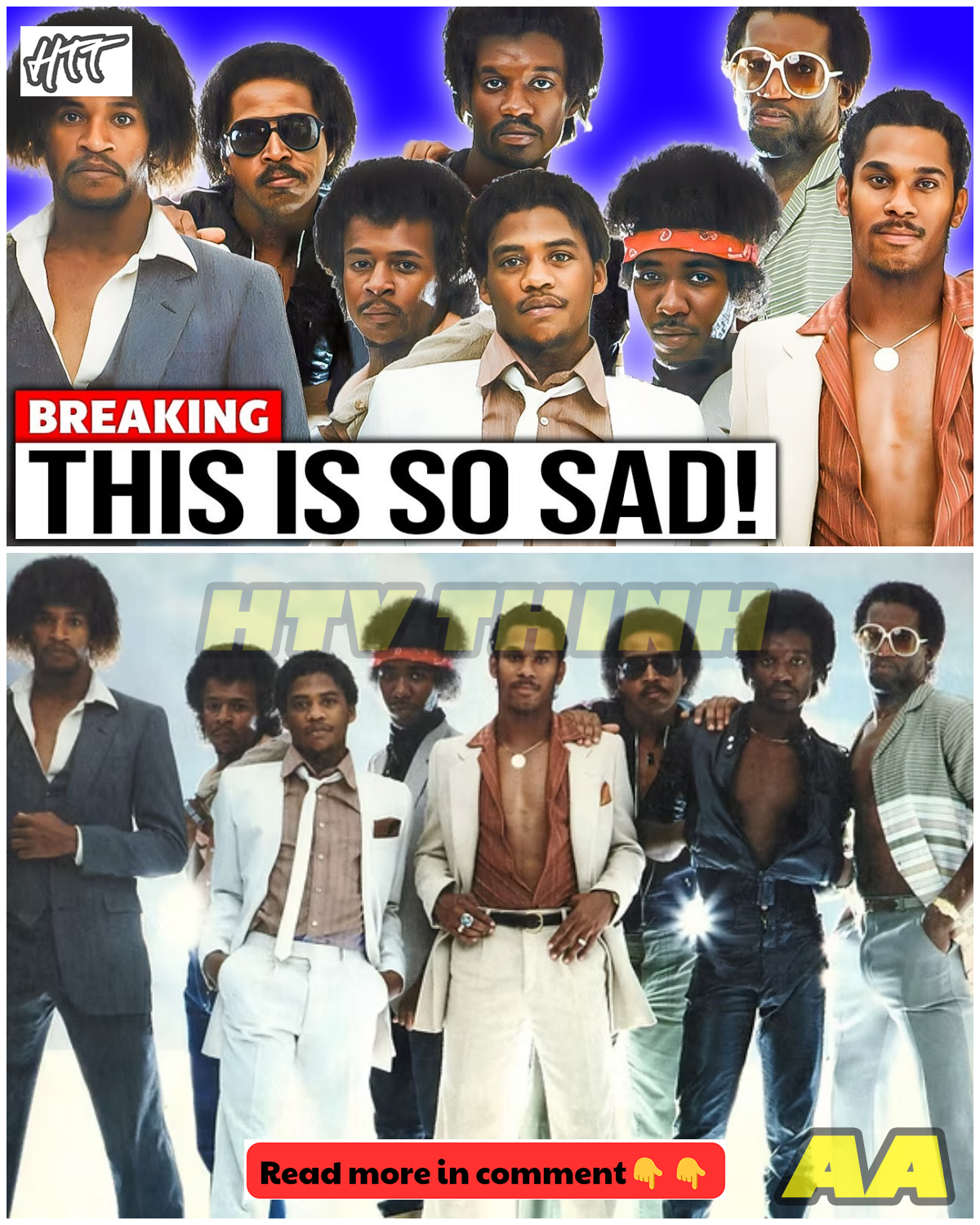
Steve Arrington & Slave’s Sad Story Revealed
The Unspoken History of Steve Arrington and Slave: A Tale of Success, Struggles, and Enduring Funk
Originating in Dayton, Ohio during the 1970s, Slave emerged as a prominent funk band amidst a thriving local scene that also produced groups like the Ohio Players. Founded by young musicians eager to make their mark, Slave consisted of bassist Mark Adams, guitarist Danny Webster, and Steve Washington, whose creative influence helped define their signature sound. Their energetic grooves quickly stood out in a crowded musical landscape.
Initially, Steve Arrington joined the band as the drummer, delivering infectious rhythms that got audiences dancing. Over time, his smooth, soulful falsetto became a defining element, transforming him into the band’s lead singer. Hits like “Just a Touch of Love” and “Watching You” showcased their blend of deep basslines, funky guitar riffs, and Arrington’s powerful vocals, cementing their reputation as a funk powerhouse.
Despite their success, internal tensions simmered beneath the surface. Slave was originally envisioned as a collective, but Arrington’s rising profile sparked conflicts over leadership and musical direction. His desire to incorporate jazz and more complex sounds clashed with others’ preference for straight-ahead funk. These disagreements led to fractures within the group, culminating in the departure of key members in 1980, following the release of their acclaimed album “Stone Jam.”
The band faced additional challenges from their record label, Cotillion Records, which prioritized commercial hits over artistic experimentation. Financial disputes and mismanagement further strained relations, leading to feelings of underpayment among members. Personal conflicts also emerged, notably between guitarists Mark “Dra” Hicks and Danny Webster.
In 1982, Arrington made the difficult decision to leave Slave to pursue a solo career, achieving success with hits like “Weak at the Knees.” Though his solo ventures influenced subsequent genres, Slave struggled to maintain relevance amid changing musical trends in the late ‘80s and ‘90s. The band’s later albums failed to recapture their earlier magic, and over the years, several core members passed away, marking the decline of the group’s era.
Despite hardships, Slave’s music continued to influence future generations through hip-hop sampling. Their grooves became foundational for artists like Dr. Dre and N.W.A., although they often went uncredited. Arrington stepped back from music during the 1990s, focusing on spirituality, but eventually returned to collaborate with modern artists, blending his classic funk with new sounds. His resilience and artistic integrity exemplify the enduring legacy of Slave, a band whose influence remains undeniable in the history of funk music.