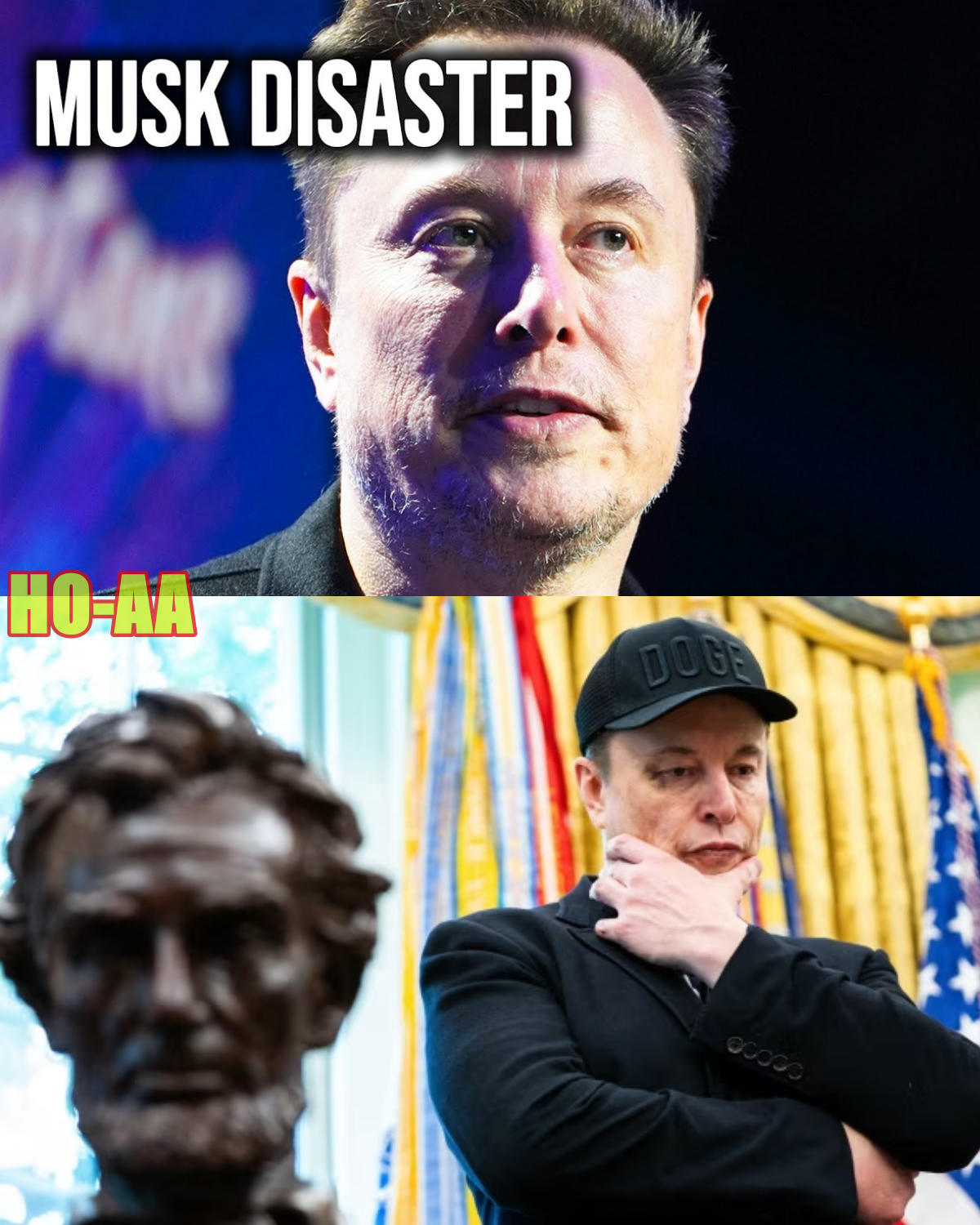
Elon Musk’s Move Sparks GOP Backlash, Tanking Tesla Stocks
The Trigger for the Market Collapse
On July 5, Elon Musk announced on X (formerly Twitter) the formation of a new political party called the America Party, aiming to restore individual freedoms. He positioned the party as a strategic move to influence pivotal congressional seats and sway legislation, especially as a rebuttal to his opposition to a recent U.S. spending bill, which he criticized for its fiscal irresponsibility and potential harm to innovation.

Market Response: Tesla Shares Drop 7%
Following Musk’s announcement, Tesla’s stock plummeted by nearly 7% in pre-market and early trading, erasing about $68 billion in market value. Analysts attributed this decline to investor concerns over Musk’s political distractions clouding Tesla’s focus and the potential loss of government support, as President Trump warned of rescinding subsidies and contracts if disputes escalate.
Stakeholder Reactions and Political Tensions
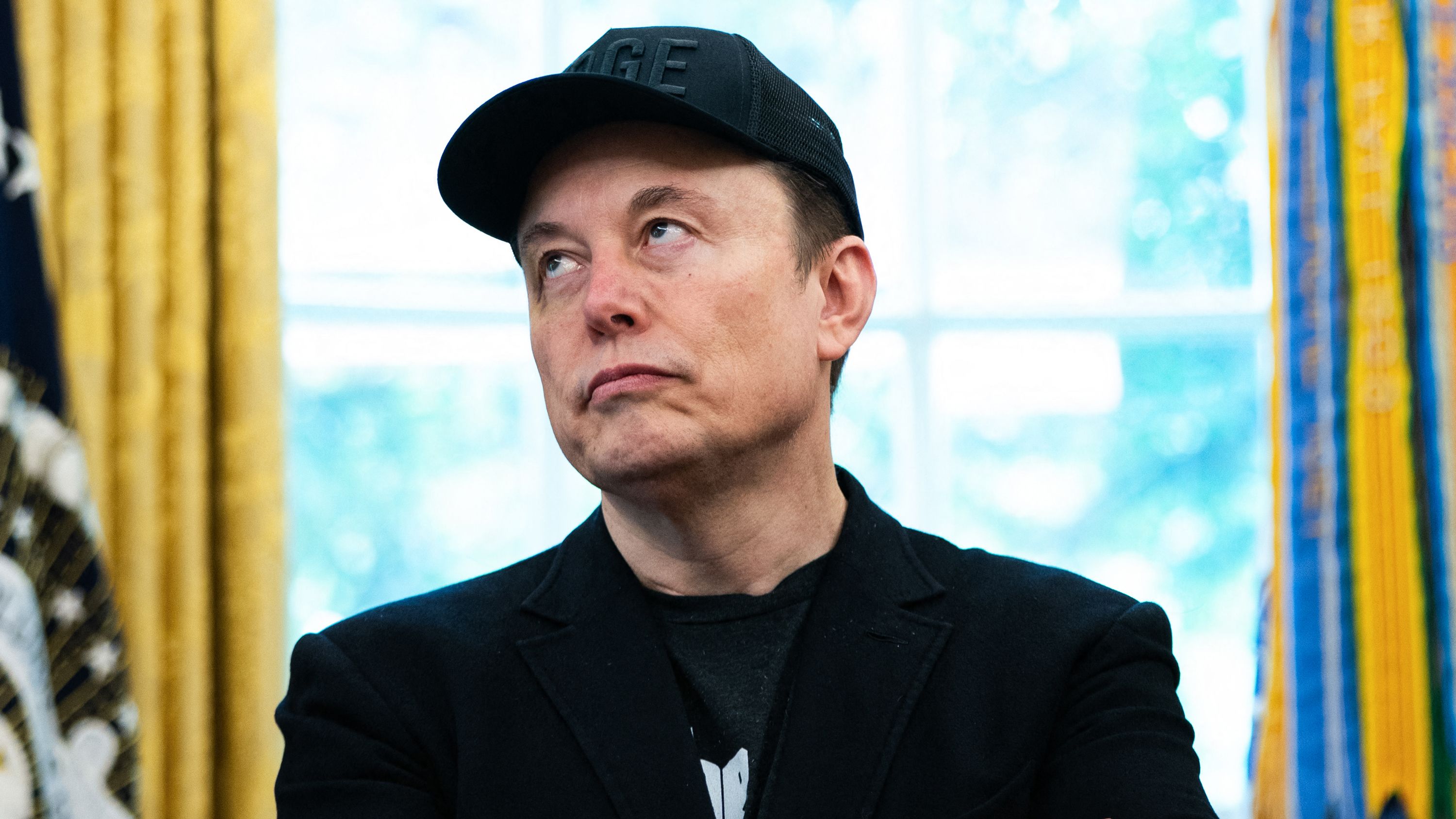
Experts like Wedbush’s Dan Ives noted that Musk’s deepening political involvement conflicts with shareholder interests, who are already weary. Trump criticized Musk’s move as “off the rails,” threatening to cut Tesla’s government incentives. These tensions have fractured the GOP base and raised fears of policy repercussions for Musk’s businesses, including potential withdrawal of subsidies and contracts.

Underlying Business Challenges
Tesla’s stock decline is compounded by declining EV deliveries, which fell 13% in early 2025. The removal of key tax credits that previously added hundreds of millions in revenue has further strained finances. Meanwhile, competitors like BYD and European EV manufacturers are capturing market share, while Tesla’s aging lineup faces increased scrutiny.

Investor Sentiment and Corporate Oversight
Surveys reveal that most Tesla investors believe Musk’s political pursuits are damaging the company’s prospects. Calls are mounting for the board to reconsider Musk’s role, especially if political entanglements persist. Critics warn that Tesla’s board has been too passive in managing Musk’s distractions, risking long-term damage to the brand and shareholder value.
Broader Implications and Risks
Protests and Political Activism
The “Tesla Takedown” movement has gained momentum, with protests targeting Tesla stores over political and labor issues. Musk’s potential plans to create a separate social platform for free expression signal ongoing conflicts with authorities.
Regulatory and Legislative Risks
With increased political tensions, Tesla faces threats including loss of government contracts, higher tariffs, and reduced EV incentives, threatening its financial stability and growth prospects.
Strategic Risks and Brand Impact
Musk’s political gambles risk diverting attention from Tesla’s core goals—advancing autonomous and sustainable vehicles. Critics see these actions as a potential sabotage of Tesla’s brand at a critical juncture.
Historical Context and Future Outlook
Previous political controversies already caused Tesla’s stock to decline significantly, with recent declines reflected in a 40–50% drop since late 2024. Investor and public sentiment remains divided, with social media platforms echoing concerns about Musk’s focus shifting away from Tesla’s primary mission.
Conclusion
Musk’s bold political move has gained attention but at a steep cost for Tesla. The combination of market losses, diminished political goodwill, and internal investor concerns signals a challenging road ahead. Whether Tesla’s innovation engine can withstand these disruptions remains an open question, as the line between business and politics blurs.