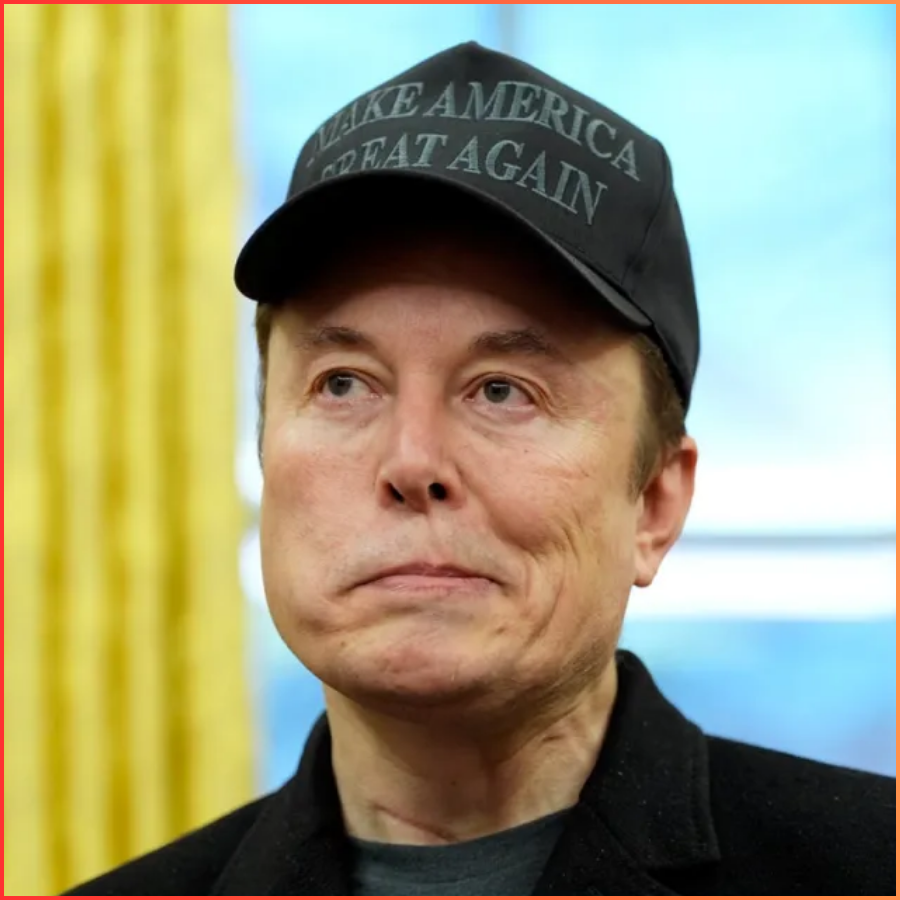
Elon Musk Launches New Party: Is Presidential Ambition on the Horizon?
Elon Musk’s Plan to Form a New US Political Party Faces Major Challenges

On July 5, billionaire entrepreneur Elon Musk announced via social media that he was creating a new political party called the “American Party,” aiming to restore individual freedoms.
Ambition and Political Context
Born in South Africa and a U.S. citizen since 2002, Musk has become influential in American politics, especially through his support for Donald Trump in the 2024 election, including campaign contributions and social media promotion. Although he previously collaborated with Trump on government efficiency efforts, Musk’s public stance has softened, yet he maintains his belief that a new political force is needed.
Despite the U.S. operating predominantly as a two-party system, third-party candidates can appear on general election ballots by gathering required signatures in all 50 states. However, winning influence and building a viable party remains a formidable challenge against the established Democrats and Republicans.
Public Support and Musk’s Expectations
Musk conducted a poll on July 4, asking if Americans want to break the two-party dominance, receiving nearly 1.25 million responses, with 65.4% supporting the idea of forming a new party. Following this, he hinted at establishing the party with a goal of capturing a few Senate and House seats, giving it leverage to sway legislation despite limited numbers.
Recent surveys show significant public interest; a June-July poll indicated 40% of Americans, including many Republicans, would consider voting third-party backed by Musk. Yet, experts acknowledge substantial structural hurdles in creating a lasting third political force in the U.S., where two parties dominate.
Historical Context and Challenges
Third parties like the Libertarian and Green Parties have existed but struggle to secure substantial votes or seats. Political analysts highlight that voter loyalty, limited funding, and systemic electoral structures—such as “winner takes all” voting—make it difficult for new parties to break through. Although public dissatisfaction exists, most Americans remain loyal to the existing two-party system.
Massive campaign spending, with billions invested in elections, further favors established parties. Musk has already donated hundreds of millions to Republican campaigns, emphasizing how financial resources are critical in electoral success.
Experts agree that without a grassroots movement rooted in widespread dissatisfaction and substantial funding, a third-party effort like Musk’s is unlikely to significantly disrupt the current political landscape.