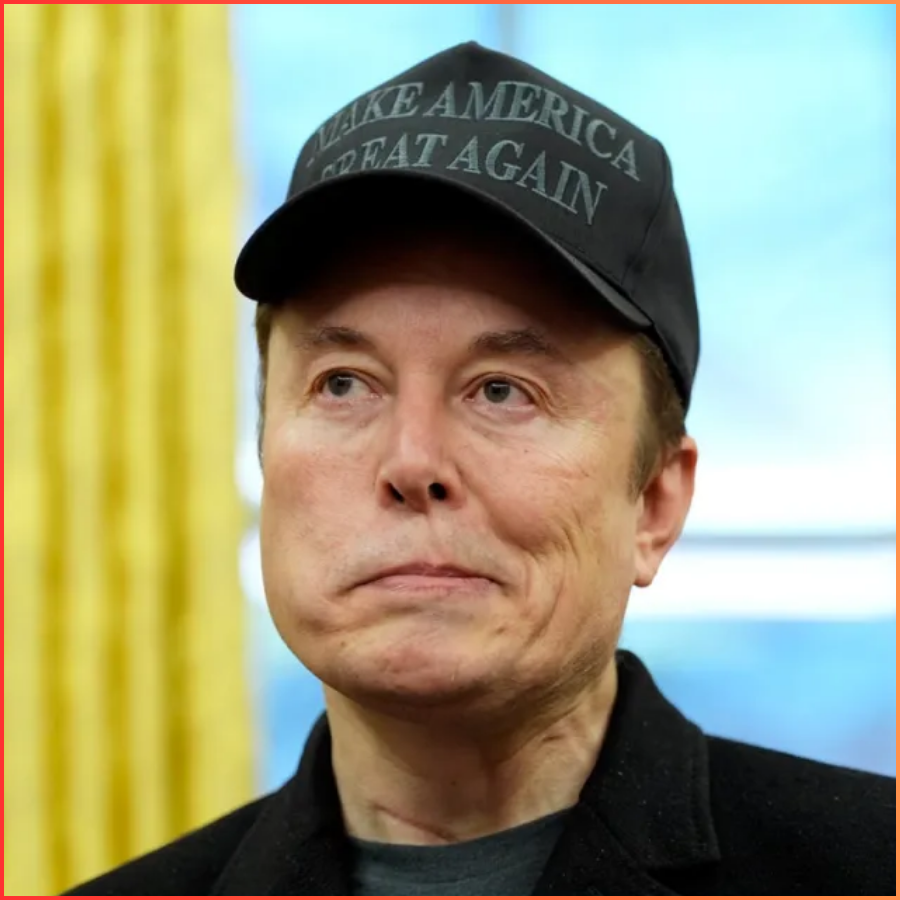
Elon Musk Launches New Party: Is Presidential Ambition on the Horizon?
Billionaire Elon Musk Proposes a New Political Party in the US, Facing Significant Challenges

On July 5, billionaire Elon Musk, the founder of Tesla and SpaceX, announced on social media that he is establishing a new political party named the “American Party.” He stated, “Today, the American Party was formed to restore your freedom,” referencing a recent poll he shared on the platform.
His Motivation for a New Party
Born in South Africa, Musk became a U.S. citizen in 2002. He has increasingly engaged in politics, supporting Donald Trump’s 2024 presidential run and contributing to the Republican campaign via his social media efforts. Despite past disagreements with Trump, Musk maintains his belief that the U.S. needs a third political force.
Although the U.S. primarily operates under a two-party system, third-party candidates can appear on ballots nationwide if they gather enough signatures, which vary by state. To succeed, these parties must launch extensive campaigns to gain heretofore elusive support against established Democrats and Republicans.
Public Support for the Concept
In a July 4 poll, Musk asked whether Americans wanted to “break away from the two-party system,” and 65.4% of nearly 1.25 million respondents said “yes.” He then indicated that a new party would be created, with the goal of winning select legislative seats to influence policies as a potential “tiebreaker.”
Supporting this vision, a recent survey among 1,000 voters showed that 40% considered voting for Musk-backed third-party candidates, including many Republicans. Past data reveals that public support for third parties is growing, with 63% of Americans in 2023 favoring a third option.
Challenges Ahead
Despite enthusiasm, experts caution that an effective third party is difficult to establish. Historically, third parties like the Libertarian and Green Parties have struggled to win major positions or electoral influence, largely due to limited funding, organizational hurdles, and entrenched party loyalty among voters.
US political science specialists highlight structural barriers—including the “winner-takes-all” voting model—that favor the major parties. Moreover, large campaign investments from powerful entities, including Elon Musk himself, significantly bolster Republican and Democrat candidates, making it even tougher for new parties to compete effectively.
Overall, while Musk’s initiative reflects rising dissatisfaction with the current political landscape, structural and financial obstacles continue to impede the emergence of a viable third party in the United States.