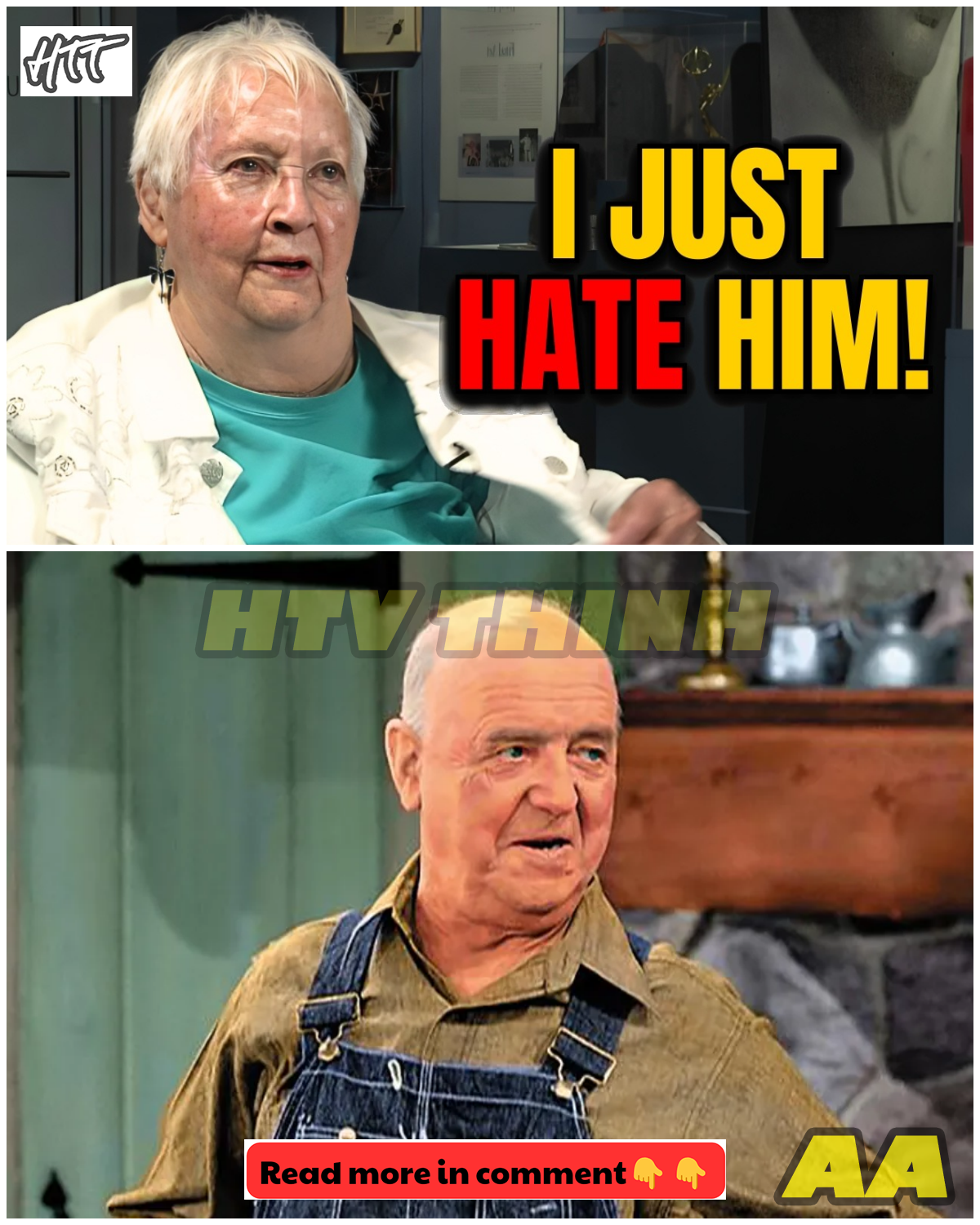
Why She Hated William Frawley: The Shocking Truth Revealed
The Hidden Struggles Behind Vivian Vance’s Hatred for William Frawley
While viewers cherished the comedic partnership of Fred and Ethel Mertz on I Love Lucy, a darker story unfolded behind the scenes. Vivian Vance despised William Frawley, and the reasons extended far beyond personality clashes.
The animosity began even before filming started. Lucille Ball, the show’s creator, initially considered other actresses for Ethel, but scheduling conflicts led to Vivian Vance, who was then 42, being cast. The significant age gap with Frawley, in his 60s, made her uncomfortable, feeling that audiences would reject her as a wife old enough to be Frawley’s mother.
The show’s producers further diminished her confidence by dressing Ethel plainly, contrasting her with Lucille Ball’s glamorous character. Rehearsals were tense; Vance reportedly quipped, “Nobody will believe I’m married to that old goat,” a remark Frawley overheard and never forgave. Their off-screen relationship was marred by passive-aggressive exchanges and bitterness. Frawley, notorious for his rough demeanor and alcohol issues, often insulted Vance’s appearance, even influencing scripts to mock her.
Despite their mutual dislike, their authentic animosity fueled memorable TV moments. However, this toxic dynamic took a toll on Vance, who felt trapped in a role that limited her opportunities and overshadowed her talent.
When a spin-off centered solely on Frawley and Vance was proposed, Vance refused, fearing she couldn’t work closely with Frawley without Lucille and Desi acting as buffers. Her refusal ended hopes for the project and deepened the divide.
The feud persisted long after the show’s conclusion in 1957. Upon Frawley’s death in 1966, Vance’s public toast—“Champagne for everybody!”—reflected years of bottled-up resentment, marking her emotional exhaustion.
Behind the iconic sitcom’s laughter lies a story of personal pain, professional frustration, and unresolved conflict. The enduring bitterness between Vance and Frawley reminds us that behind TV magic is complex human drama, often hidden from view.