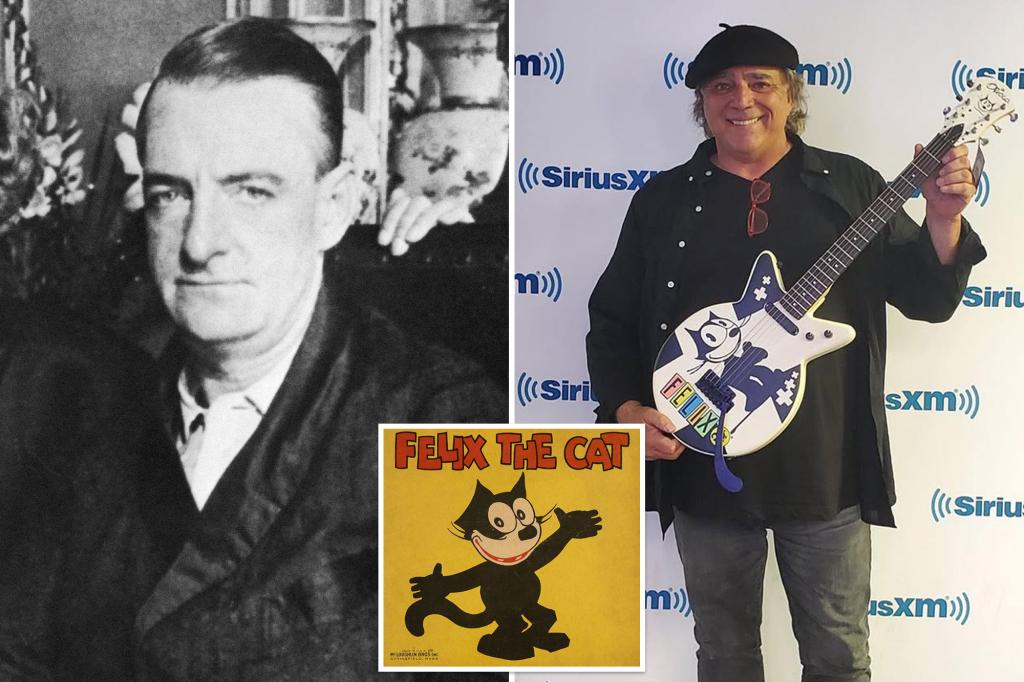
Felix the Cat Heirs Sue Over $100M Cutout
Heirs Claim They Were Cut Out of Felix the Cat Rights, Resulting in $100 Million Loss
Descendants of one of the original creators of Felix the Cat allege that a New York businessman deliberately excluded them from the franchise for decades, controlling the rights and causing them significant financial harm.
Felix the Cat, a vintage black-and-white cartoon feline known for his grin and catchphrase “Righty-O!,” was first created in 1919 by a team including Patrick Sullivan. The character predates Mickey Mouse by nearly a decade and gained major popularity worldwide, including in Japan. Later, Felix became iconic through a television series featuring a magic bag of tricks that could transform into anything.

Three heirs of creator Patrick Sullivan claim that Donald Oriolo, whose father Joseph was involved in bringing Felix back to fame in the 1980s and created Felix’s friend Poindexter, failed to disclose the character’s modern resurgence. They accuse Oriolo of siphoning revenue and assets for his own benefit over the years without their knowledge.
After facing bankruptcy in the 1970s, Felix returned as a global phenomenon, licensing deals with brands like Sony and Chevrolet. The franchise was eventually sold to DreamWorks in 2014 for an undisclosed sum. Industry estimates suggest Felix’s earnings over the decades may have reached into the billions, according to industry reports.

Oriolo, who took control of the franchise after his mother Dorothy’s death in 2004, believed all shareholders had been bought out long ago. His attorney stated that the Sullivan heirs, who were children when they inherited their shares, were unaware of the ongoing business affairs.
He denies any wrongdoing, claiming it was a mistake based on what was believed to be a complete buyout. Oriolo’s legal team plans to resolve the dispute through good-faith negotiations, though the heirs’ lawyer insists they have strong evidence of Oriolo’s knowledge of their ownership interests.