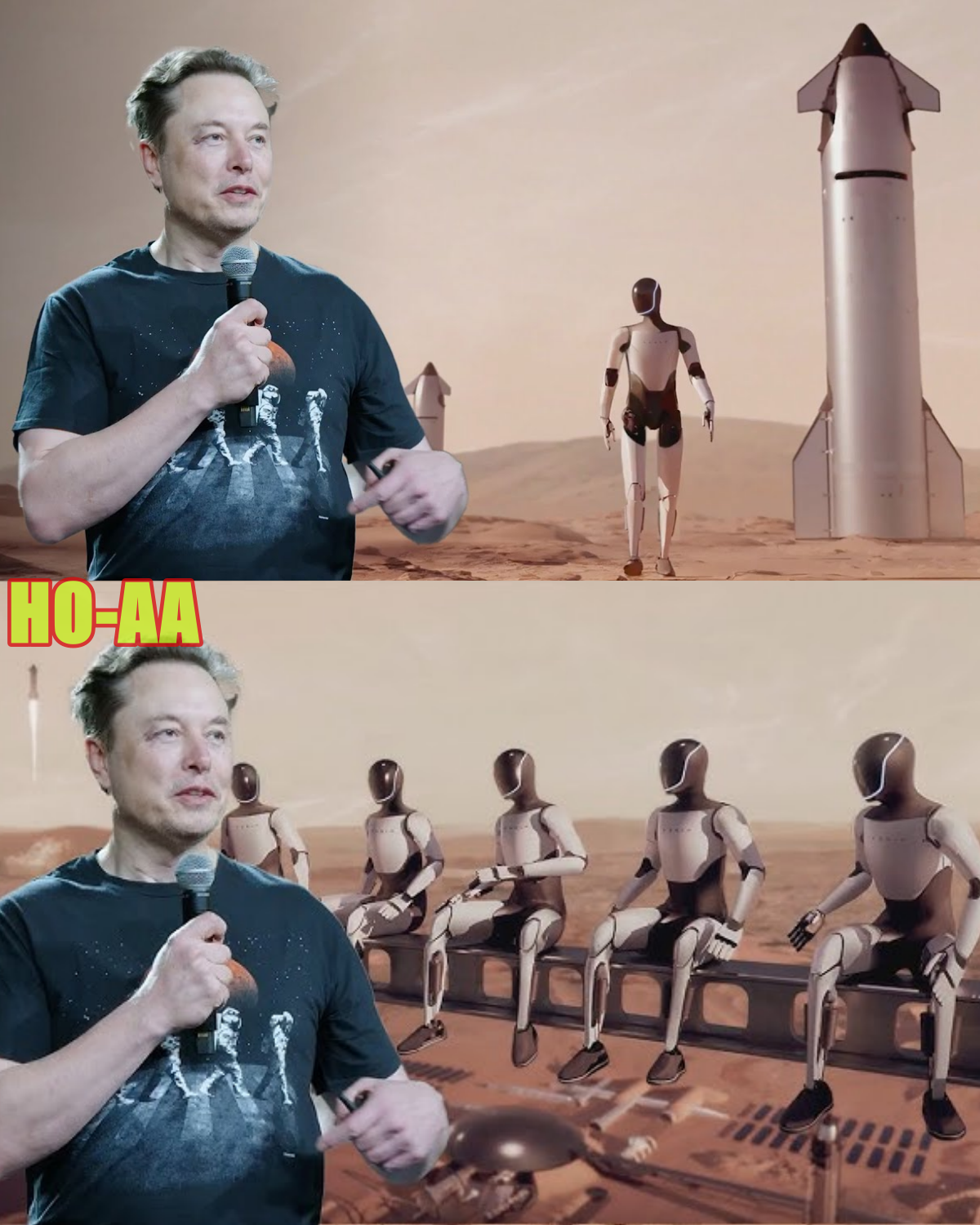
Elon Musk’s SpaceX Update on Starship & Mars Goals at Starbase
A Bold Future at Starbase
At a recent livestream from Starbase, Texas, Elon Musk revealed exciting updates on SpaceX’s ambitions, including significant progress on the Starship program, plans for missions to Mars, and the city status of Starbase itself. Musk shared that the facility has now achieved official city recognition, marking a milestone in the project’s scale. During the presentation, streaming globally, Musk presented ambitious timelines and construction updates, dubbed “the Mars game plan.”
The Gigabay Factory: A Powerhouse for Mars Missions
The centerpiece of the update is the new Gigabay facility—an enormous 700,000 sq ft production complex costing approximately $250 million. Musk claimed it could become “the biggest structure in the world,” with the capacity to produce up to 1,000 Starships annually, outpacing Boeing and Airbus combined. Construction has already begun, with completion expected by the end of next year.

Starship Testing and Learning from Failures
Musk addressed recent setbacks in Starship tests, noting that flights 7, 8, and 9 ended prematurely. Despite early-stage destruction, SpaceX considers these failures valuable for data collection. The company aims to implement a ship-catch system called “Mechazilla” within a few months to enable upper-stage recovery and reusability.

Mars Mission Timeline: Aiming High but Realistic
Musk reaffirmed plans to launch uncrewed Starships to Mars by late 2026, using the upcoming Earth–Mars transfer window. He estimated a 50% chance of success, contingent upon mastering orbital refueling in 2025. Manned missions might follow as early as 2029, though 2031 remains a more probable target.
Expanding Production Capabilities
In addition to Texas, SpaceX is constructing another 815,000 sq ft Gigabay facility near Kennedy Space Center in Florida, aiming to produce up to 1,000 Starships per year across both sites. This expansion supports upcoming Mars and lunar Artemis missions.
Capabilities and Technological Progress
The upgraded Starship design targets payload capacities of up to 200 tons reusable and 400 tons expendable, dwarfing the Saturn V rocket. Musk envisions launching every 3–4 weeks, eventually reaching hundreds of launches annually, facilitated by full reusability.
Technological Advances and Challenges
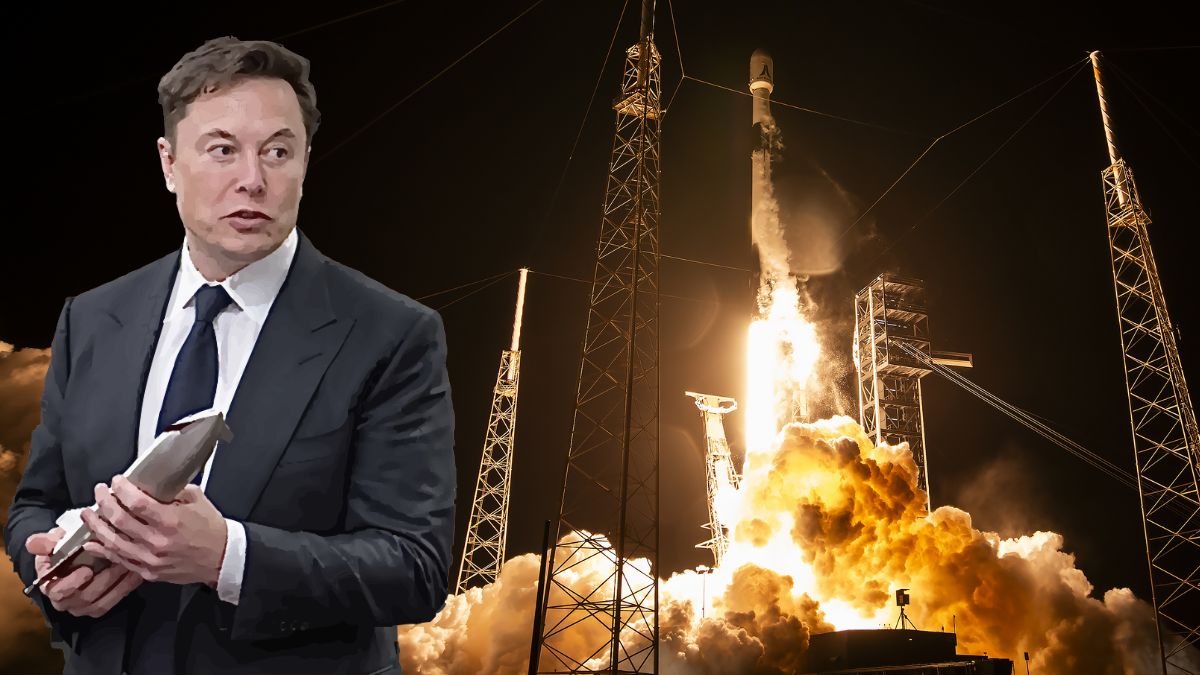
Key upgrades include the new Raptor 3 engines for greater reliability and thrust, along with a sleeker heat shield design. Starship v3 is expected to have increased propellant capacity by year-end, supporting the upcoming “Mechazilla” ship-catch system that will facilitate rapid turnaround of launches.
Regulatory and Safety Progress
While testing has resulted in explosions—most recently in June—there have been no injuries. The FAA now permits up to 25 annual launches from Starbase, expanding the hazard zones over the Gulf and supporting increased testing capacity.
Envisioning Humanity on Mars
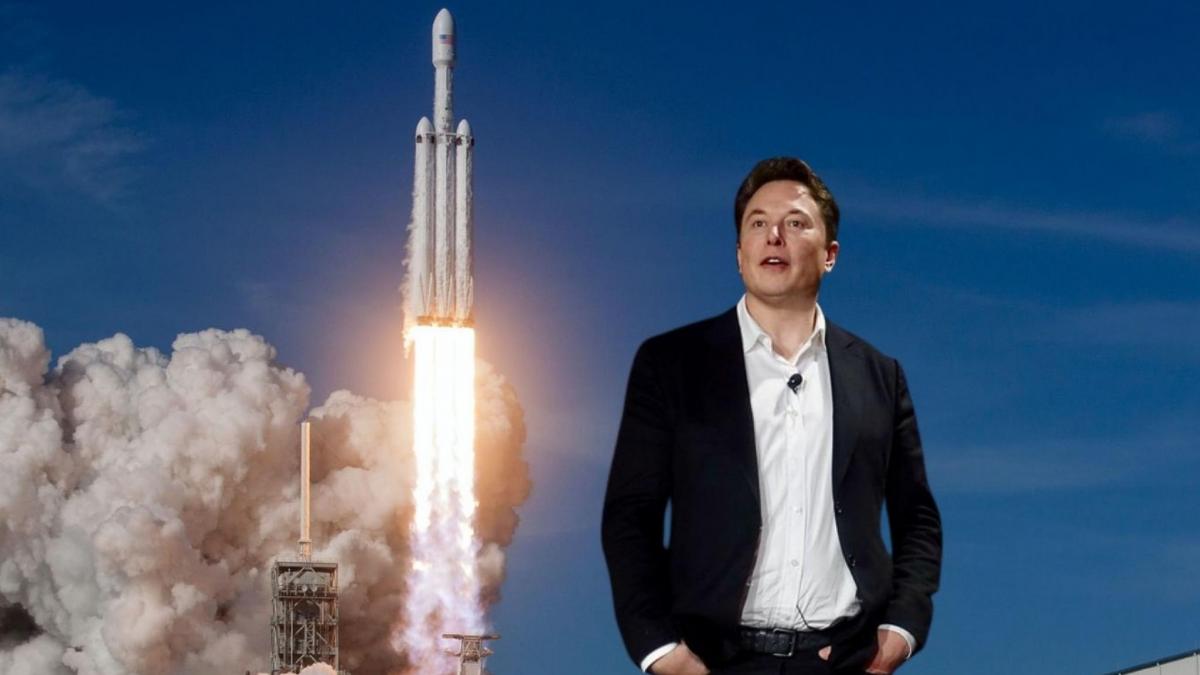
Musk previewed plans to send a Tesla Optimus robot to Mars in 2027 after initial uncrewed missions, paving the way for future human habitation. Once on Mars, communication will rely on a Starlink network adapted for the planet. The ultimate vision is a self-sustaining Martian city by 2050—an ambitious effort to make humanity multiplanetary.
Significance of These Developments
Musk’s updates highlight a relentless drive to build the future of space exploration and colonization, scaling production, advancing technology, and aiming for historic missions—all to transform humanity into a multiplanetary species.