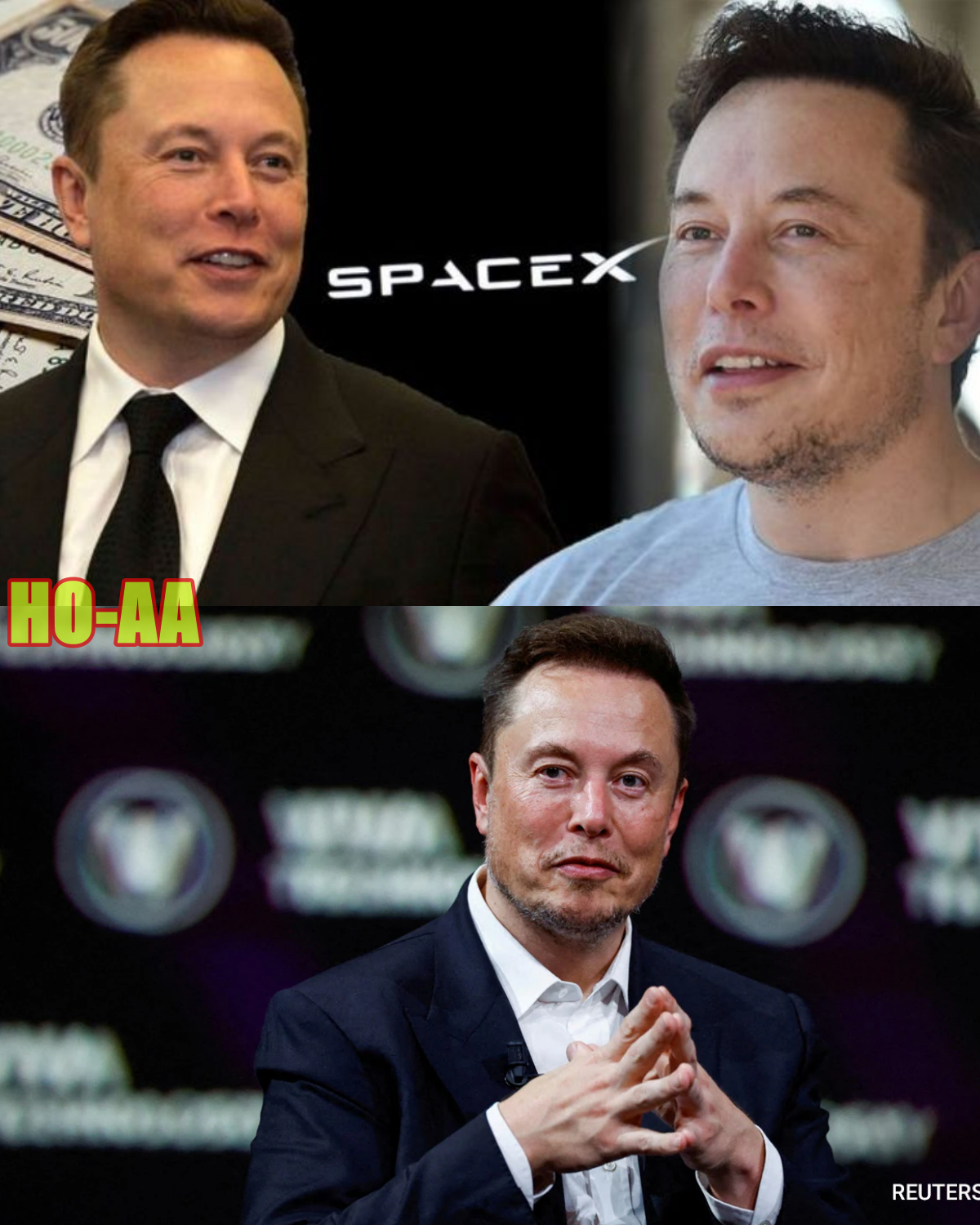
Elon Musk’s Journey to Building SpaceX and Becoming Earth’s Richest Man
The Journey of Elon Musk and SpaceX
In 2002, Elon Musk announced his bold vision to colonize Mars, despite widespread skepticism labeling it as science fiction. With unwavering commitment, he invested $100 million of his own money to establish Space Exploration Technologies Corp., known as SpaceX.
The early years were marked by failures and near bankruptcy. Between 2006 and 2008, SpaceX’s first rocket, Falcon 1, failed three consecutive times, attracting industry ridicule and Musk’s financial strain from his investments in Tesla and SolarCity. By late 2008, both companies were on the brink of collapse.
However, a breakthrough occurred when Falcon 1 successfully reached orbit in September 2008, becoming the first privately developed liquid-fueled rocket to do so. Shortly after, NASA awarded SpaceX a $1.6 billion contract under the Commercial Orbital Transportation Services program, securing its future.
With the development of Falcon 9, SpaceX introduced the revolutionary concept of reusability, landing rockets back on Earth like airplanes—a radical departure from traditional space industry practices. After several fiery attempts, they achieved the first successful landing of a Falcon 9 booster in 2015, drastically reducing launch costs by over 60%. By 2020, SpaceX had become the world’s leading commercial launch provider, securing contracts from NASA, the military, and satellite operators.
SpaceX’s ambitious Starship system represents Musk’s ultimate goal: a fully reusable super-heavy launch vehicle capable of ferrying over 100 people to Mars, supporting space colonization, and transforming global transportation—potentially enabling trips across continents in less than an hour.
To fund these ventures, Musk launched Starlink, a satellite constellation providing high-speed internet worldwide, especially in remote regions. With more than 6,000 satellites orbiting Earth, Starlink generates over $8 billion annually, enhancing Musk’s strategic influence in global communications and geopolitics.
Musk’s wealth primarily stems from his equity in SpaceX, Tesla, and Starlink. His valuation skyrocketed from $12 billion in 2015 to over $200 billion in 2025, making him the richest person alive—driven by a belief in the future and control over the infrastructure to shape it.
His overarching mission remains to make humanity a multiplanetary species, viewing Mars as a safe fallback against existential threats. Despite criticisms over labor practices and military concerns related to Starlink, Musk’s innovative approach continues to push the boundaries of space exploration and commercial enterprise.
Ultimately, Elon Musk’s success illustrates a unique formula: personal risk, radical innovation, a clear vision, and strategic utilization of profitable ventures. SpaceX exemplifies a future-oriented capitalism rooted in moonshots, mission-driven endeavors, and profitability.