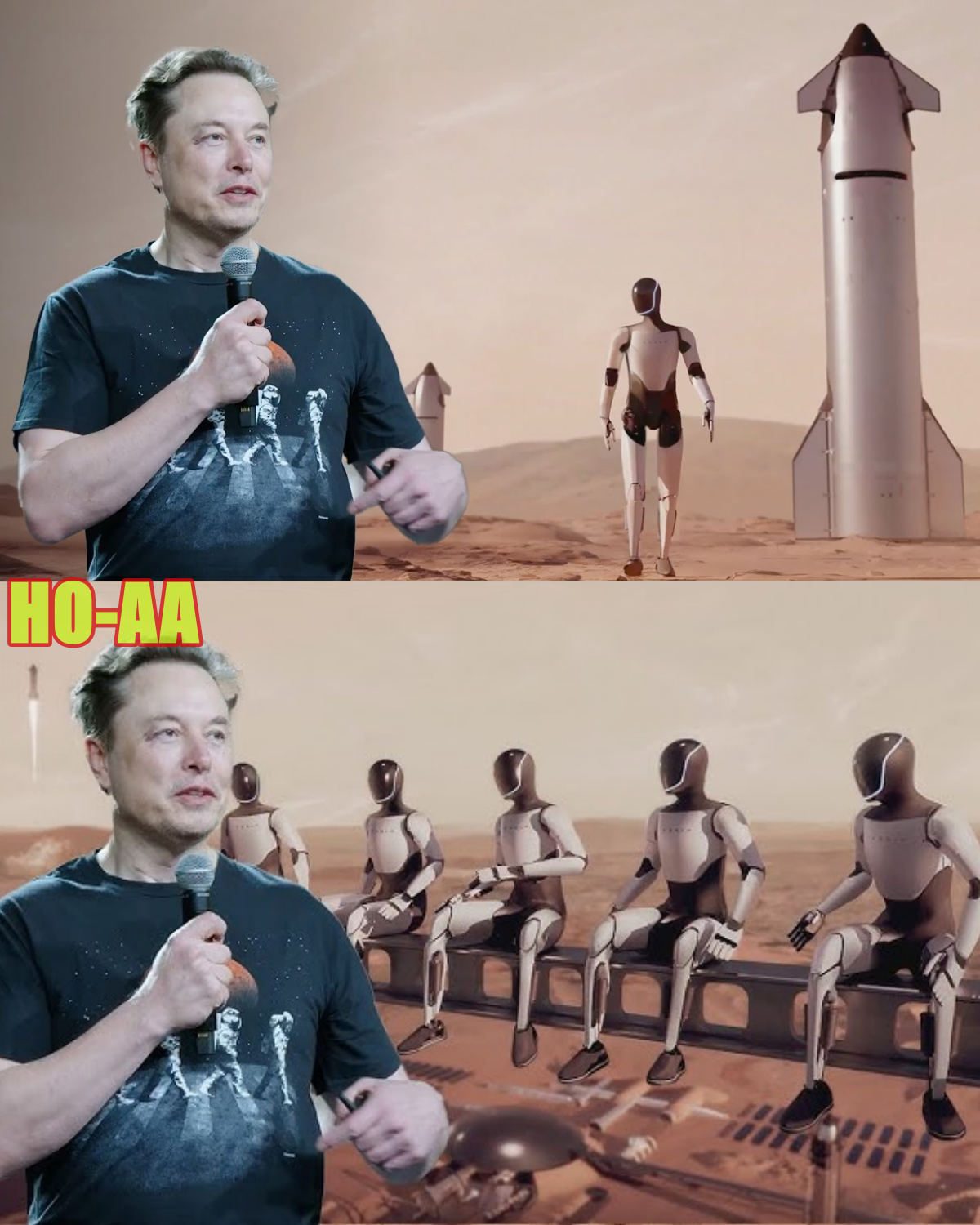
Elon Musk Updates SpaceX Starship, Mars Goals & More at Starbase
A Visionary Update from Starbase
At a major live event held at Starbase, Texas, Elon Musk shared exciting developments regarding SpaceX’s plans for the Starship rocket, future missions to Mars, and the city status of Starbase itself. Speaking to a global audience and company staff, Musk outlined ambitious timelines and construction progress, describing what he calls “the Mars game plan.”

The Gigabay Factory: Building for Mars
The centerpiece of the update is the new Gigabay facility—a massive, 700,000 sq ft production plant costing approximately $250 million. Musk claims it could be the largest structure in the world, capable of producing up to 1,000 Starships annually, outpacing traditional aerospace giants like Boeing and Airbus. Construction has already begun, with completion targeted by the end of next year.

Starship Testing and Future Milestones
Musk acknowledged recent test failures, with flights ending in early-stage destruction. Nonetheless, SpaceX regards these setbacks as valuable data. The company aims to introduce a ship-catch system called “Mechazilla” within a few months to enable reusable upper-stage recovery, which is crucial for future missions.

Planned Mars Missions and Timeline
Musk plans to launch uncrewed Starships to Mars by late 2026, leveraging upcoming Earth–Mars transfer windows. While there’s a 50% chance of success, this depends heavily on mastering orbital refueling in 2025. After initial unmanned missions, crewed flights could begin as early as 2029, with more realistic expectations placing them around 2031.
Expanding Production Capabilities
Alongside Texas, SpaceX is constructing an 815,000 sq ft Gigabay near Kennedy Space Center in Florida to scale production across both coasts. Once operational, these sites could produce about 1,000 Starships annually, supporting Mars missions and lunar programs.
Enhanced Payload and Launch Frequency
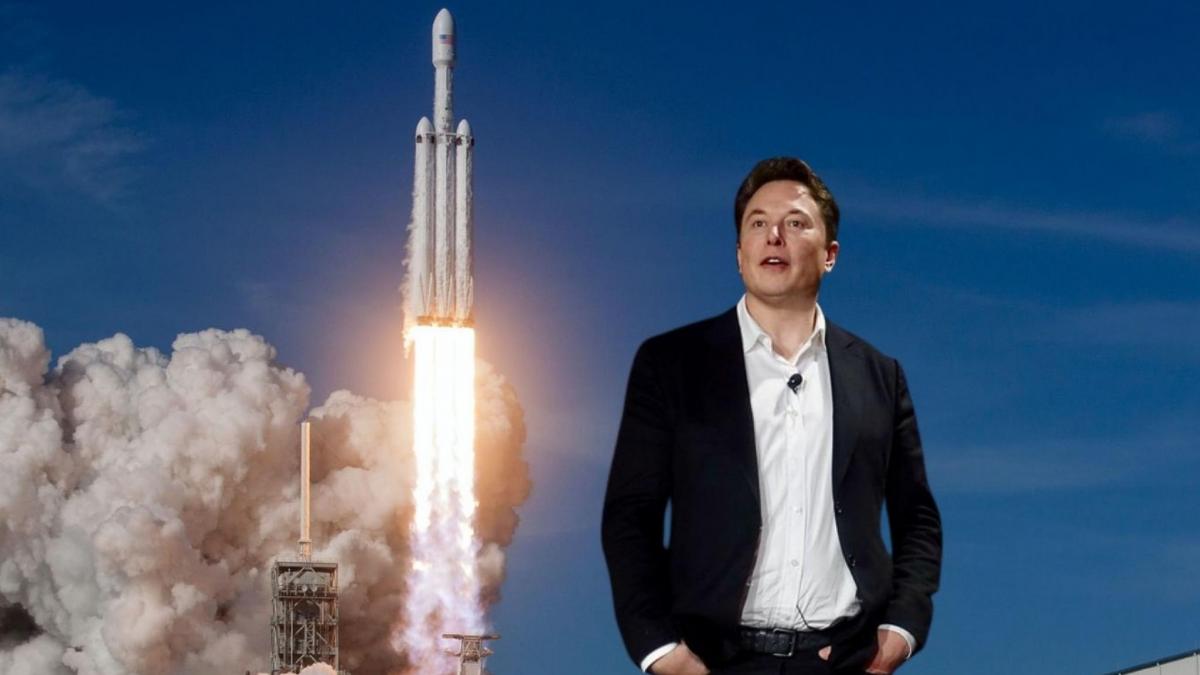
The revamped Starship architecture envisions payloads of up to 200 tons in reusable mode and 400 tons expendable, far surpassing historical rockets like Saturn V. SpaceX aims to conduct launches every 3-4 weeks, ramping up to hundreds annually thanks to full reusability.
Key Technological Advances
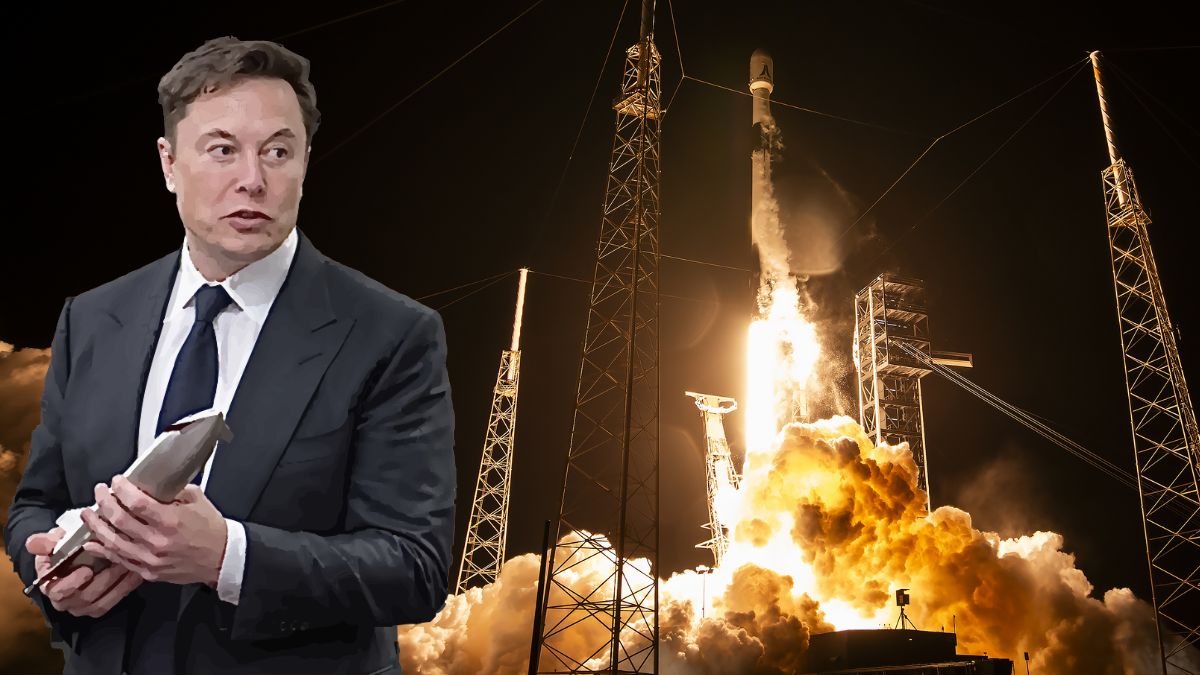
Musk highlighted upgrades including the new Raptor 3 engine for increased reliability and thrust, a more efficient heat shield design, and higher propellant capacity expected in Starship v3 by year-end. These improvements, combined with the upcoming ship-catch system, are vital for future high-frequency launches.
Overcoming Challenges and Regulatory Progress
Despite recent incidents involving test explosions, no injuries were reported. The FAA now permits up to 25 launches annually from Starbase, an increase from five, with expanded hazard zones over the Gulf region.
Mars Colonization: Robots, Internet, and Society
Musk announced plans to send a Tesla Optimus robot to Mars in 2027, following initial unmanned missions. Communication on Mars will be supported via a dedicated Starlink network, with the ultimate vision of establishing a self-sustaining city by 2050, complete with evolving governance and infrastructure.
Why This Matters
Musk’s update at Starbase exemplifies a bold commitment to making humanity a multiplanetary species. From constructing the world’s largest rocket factory to relentless testing and planning for historic Mars missions, SpaceX aims to revolutionize space travel and scale production to unprecedented levels—driving us closer to a future where humans live on other planets.