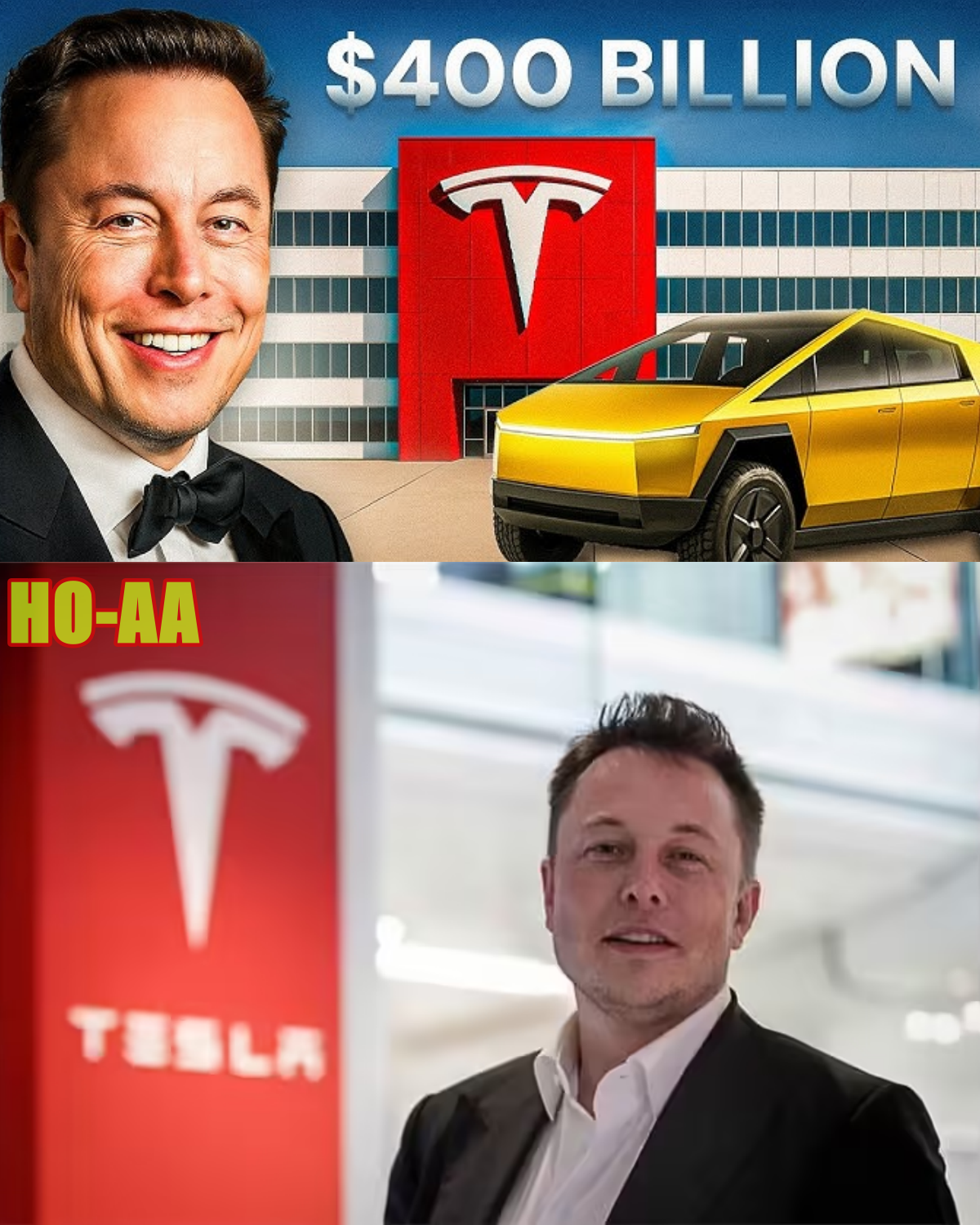
Elon Musk: The Rise to World’s Richest Man
From Pretoria to the Pinnacle
Elon Musk was born on June 28, 1971, in Pretoria, South Africa. From a young age, he displayed a keen interest in science, computers, and the cosmos. At just 12, he created and sold a video game called Blastar.
Driven by curiosity and ambition, Musk left South Africa at 17 to study at the University of Pennsylvania in the United States. He briefly enrolled in a Stanford Ph.D. program but dropped out after two days, recognizing the internet’s vast potential.
The First Millions: Zip2 and PayPal
In 1996, Musk launched Zip2, a company providing online city guides to newspapers. It was sold in 1999 for $307 million, earning him $22 million. Soon after, he founded X.com, an online banking service that later merged into PayPal. When eBay acquired PayPal in 2002 for $1.5 billion, Musk received approximately $180 million.
Instead of retiring, Musk reinvested his wealth into his next ventures: SpaceX, Tesla, and SolarCity.

SpaceX: Betting It All on the Stars
Founded in 2002 with a vision to colonize Mars, SpaceX faced early failures: its first three Falcon 1 launches between 2006 and 2008 ended in failure. Musk had invested nearly all his PayPal earnings and even borrowed money for rent. Nonetheless, in September 2008, SpaceX succeeded on its fourth launch, becoming the first private company to put a liquid-fueled rocket into orbit. NASA soon awarded SpaceX a $1.6 billion contract, marking a new era in space exploration.
Tesla: Leading the Electric Revolution
Joining Tesla Motors in 2004 as chairman and later CEO, Musk defied skeptics by delivering groundbreaking electric vehicles. The Roadster (2008) was the first highway-legal electric sports car. Subsequent models—S, 3, X, and Y—redefined electric performance and design. Although Tesla struggled with profitability initially, its stock soared with the success of Model 3. By 2020, Tesla became the most valuable automaker worldwide.
Starlink: Internet in the Sky
To support future space missions and generate steady income, Musk launched Starlink, a satellite internet service. By 2025, over 6,000 satellites orbit Earth, providing internet access to millions globally, including rural and conflict zones, and earning over $8 billion annually—one of Musk’s most profitable endeavors.
Building Wealth and a Vision for the Future
Much of Musk’s wealth stems from his ownership stakes—around 42% in SpaceX, 13% in Tesla, and control of Starlink. His success is rooted in creating innovative companies that contend with traditional industries.
Beyond Earth: A Multiplanetary Future
Musk advocates for humanity to become a multiplanetary species to safeguard against global catastrophes. His Starship rocket, designed to carry over 100 passengers to the Moon, Mars, and beyond, exemplifies this vision. His quote encapsulates his ambition: “I want to die on Mars. Just not on impact.” His efforts aim to secure a future where humans live beyond Earth.
Challenges and Controversies
Despite remarkable achievements, Musk remains a controversial figure. He faces criticism over labor practices at Tesla and SpaceX, layoffs during Twitter’s acquisition, and ethical concerns over Starlink’s role in military conflicts. Nonetheless, his companies continue to innovate and influence global industries.
Lessons for Aspiring Innovators
In India, Musk’s journey inspires entrepreneurs, engineers, and students by exemplifying risk-taking, long-term vision, persistence through failures, and innovative problem-solving—traits essential for transformative success.
The Man Who Rewrote Capitalism
Elon Musk built his empire without inheritance—creating companies deemed impossible and transforming global industries. His bold approach to innovation and space exploration is shaping the 21st century’s technological landscape.
Today, Musk is not just the wealthiest individual but a symbol of disruptive innovation—his visions of space travel, global internet, and electric vehicles are already influencing the future of humanity.