Study Finds Fewer Jews Alive Today Than Before the Holocaust
Global Jewish Population Still Rebuilding After Holocaust
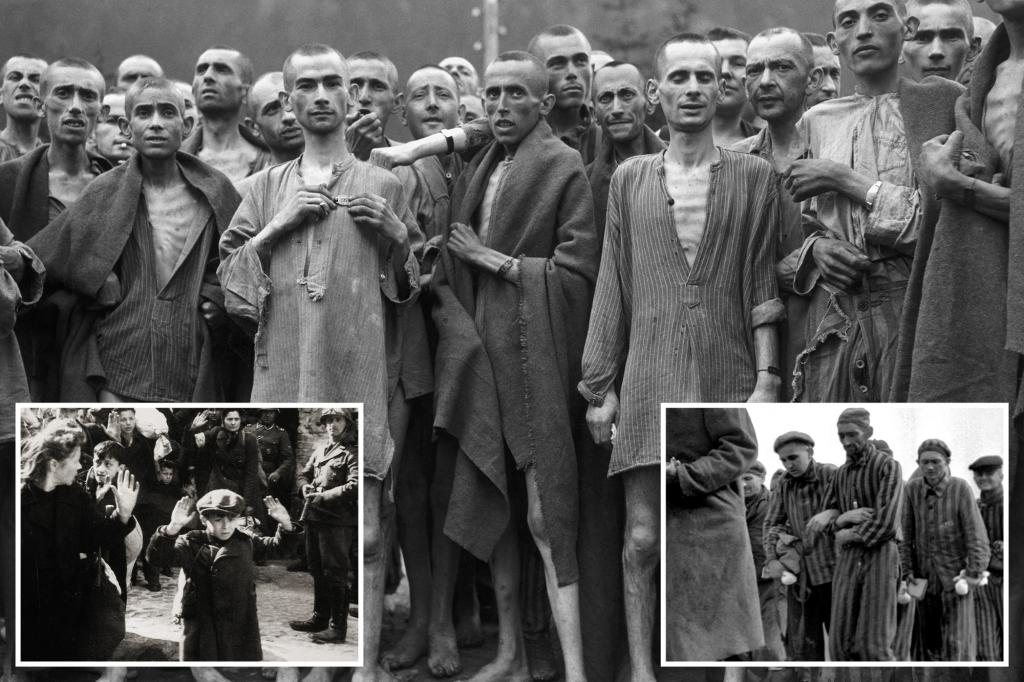
The worldwide Jewish community has yet to fully recover from the devastation of the Holocaust, which claimed the lives of over 6 million Jews—more than a third of their population at the time. In 1939, an estimated 16.6 million Jews lived globally, but today, that number stands at approximately 14.8 million.
Between 2010 and 2020, the Jewish population increased by 6.2%, growing from 13.91 million to 14.8 million. However, during the same period, the global non-Jewish population grew by 12.3%, nearly doubling the rate of increase for Jews. Overall, Jews make up just 0.2% of the world’s population.

The Jewish population is concentrated mainly in Israel and North America, with Israel home to about 6.8 million Jews and North America, mostly the United States, hosting around 6.1 million. Despite the overall decline in Europe’s Jewish community from 1.39 million in 2010 to 1.28 million in 2020, the Jewish population in the Middle East and North Africa has surpassed North America to become the largest regional grouping, primarily due to Israel’s expansion, which added over a million Jews between 2010 and 2020.

Despite the population rebound, experts emphasize that Jews have not replaced the numbers lost in the Holocaust. “The answer is no,” said a historian, noting it takes generations to recover from such losses. Additionally, the Jewish birth rate in Western countries remains low, similar to that of non-Jewish populations, except among Orthodox communities, where higher birth rates help sustain growth.