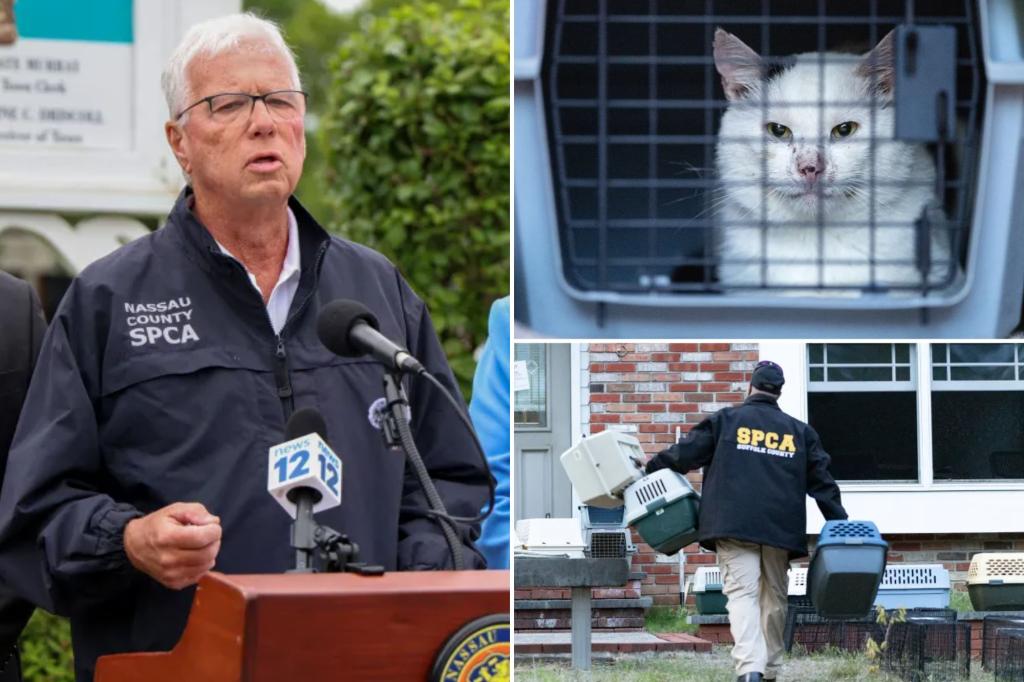
Nassau County Passes Bill for Jail Time in Animal Abuse Cases
Nassau County Passes Strict New Animal Abuse Legislation
Residents of Nassau County could now face imprisonment and significant fines if caught harming animals or hoarding inhumane conditions, following the recent approval of a new bill by county legislators.
Initiated by County Legislator John Ferretti, the legislation expands the existing animal cruelty laws to classify acts such as leaving pets in hot vehicles or starving, beating, abandoning, or hoarding animals as misdemeanors. Those convicted could face jail terms and fines up to $1,000.
“Abusing an animal means losing the right to own one,” Ferretti stated. “The law should reflect these values and impose harsher penalties.”

The legislation increases the duration for which offenders remain listed on the animal abuse registry—up to 10 years for first-timers and 20 years for repeat offenders. Individuals on the registry are prohibited from owning or even walking dogs for the duration of their listing.
Additionally, enhanced penalties include jail time for violations that previously resulted in minor sanctions. The law targets severe abuses, including abandonment, starvation, and hoarding, especially in grim conditions. Repeat offenders caught owning animals can now face maximum penalties of one year in jail and fines up to $1,000.
As of May, Nassau’s registry lists at least 16 individuals involved in animal cruelty cases.

Nassau SPCA President Gary Rogers praised the new legislation, emphasizing that broadening legal protections across the state remains essential. Meanwhile, neighboring Suffolk County has enacted a similar law focused on penalizing offenders for owning animals post-conviction, with ongoing efforts to tighten enforcement and prosecute repeat abusers.
The counties have established specialized teams, such as Suffolk’s “Operation Bloodhound,” to track down and apprehend offenders who evade conviction, reinforcing their commitment to combat animal cruelty statewide.
“This movement isn’t just about Nassau or Suffolk,” Rogers added. “It’s about safeguarding animals across the entire state of New York.”