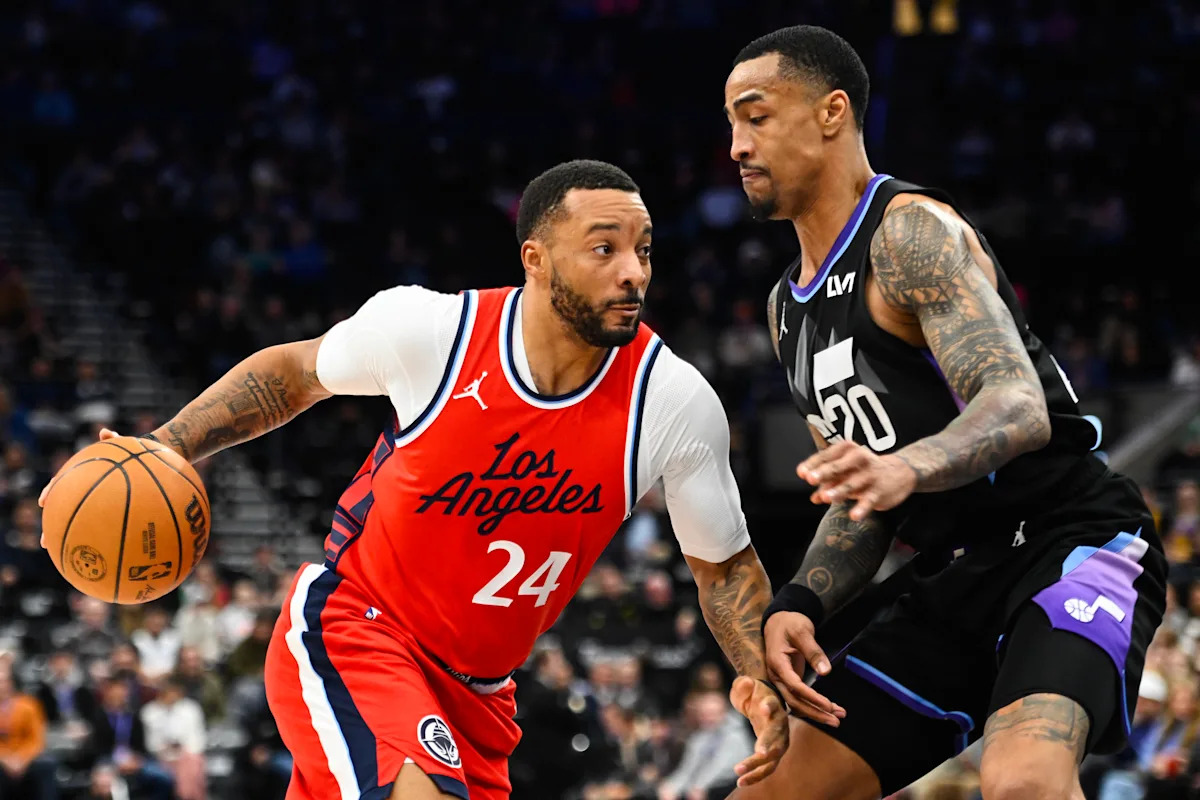
Heat, Clippers, Jazz Trade Grades: L.A. Adds Size; Miami Stays Classic
Recent NBA Trades Involving Miami, Utah, and Los Angeles
The Miami Heat Keep Fighting Without Rebuilding
The Miami Heat traded away Kevin Love and Kyle Anderson in exchange for Norman Powell. While Powell, averaging 21.8 points with a strong 41.8% three-point shooting percentage, is a solid addition, questions remain about how he fits into Miami’s broader strategy. His primary role as a traditional shooting guard overlaps with Tyler Herro’s position, raising concerns about roster versatility and long-term vision.
Despite the impressive trade value, critics wonder about the team’s direction beyond maintaining their “Heat Culture.” The move reflects a focus on competitiveness rather than a rebuild, though the true impact on their championship prospects remains to be seen.
Los Angeles Clippers Acquire John Collins
The Clippers traded Norman Powell and a 2027 second-round pick for John Collins, aiming to bolster their inside and perimeter options. Collins, averaging 19 points and 8.2 rebounds last season with nearly 53% shooting on field goals and 40% on three-pointers, offers a versatile scoring threat and rebounding presence.
Though opinions on Collins’s overall impact vary, he fits well with the Clippers’ roster, especially alongside James Harden. His role as a scoring forward who can stretch the floor complements the team’s playstyle. However, losing Powell adds some uncertainty, and the trade’s success depends on how well Collins meshes with the team’s system.
Considering the trade’s details, the move earns a grade of B, with the potential for future reevaluation if additional stars like Bradley Beal join the organization.
Housekeeping Trade in Utah
The Utah Jazz sent John Collins to the Clippers, receiving Kyle Anderson, Kevin Love, and a 2027 second-round pick in return. This deal primarily serves Utah’s goal of clearing salary space and roster spots, notably removing roughly $13 million from their books for the season.
While Collins is a productive player with solid defense, rebounding, and efficient scoring, his trade value seemed undervalued in this transaction, leading some to believe the trade was driven mainly by financial considerations. The Jazz aimed to create opportunities for younger players like Ace Bailey, although the move has received a lukewarm grade of C-, and its long-term success will depend on future developments.