Trump Keeps Fighting Foreign Interference in US Tech
U.S. Wins Battle Against Canada’s Digital Tax
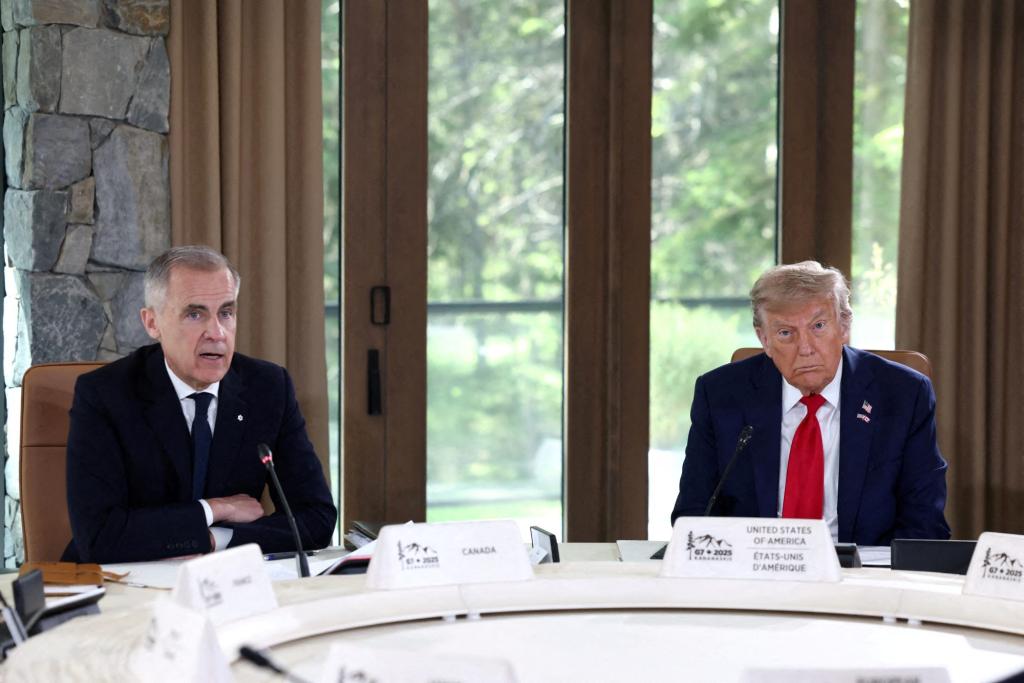
Recently, efforts by the U.S. administration successfully prevented Canada from implementing a controversial digital services tax aimed at American tech giants. The tax would have imposed a 3% revenue levy on companies like Google, Meta, Amazon, Uber, and Airbnb for revenue generated from Canadian users.
Just hours before the tax was scheduled to take effect, Canadian Prime Minister Mark Carney announced the cancellation, sparking applause from U.S. officials. The tax had been criticized for being a blatant money grab, retroactively demanding over $2 billion from U.S.-based companies, and was seen as an attempt to mimic European Union regulations that target American tech firms.
The Biden administration expressed opposition to the tax, arguing it could violate the USMCA trade agreement, but ultimately took no direct action to block it. The incident demonstrates the efficacy of President Trump’s trade tactics, which have proven effective in protecting America’s innovative industries from foreign regulatory overreach.
This situation underscores ongoing global tensions, notably with the European Union, which has targeted U.S. tech firms such as Apple and Meta with hefty fines under its Digital Markets and Digital Services Acts. These regulations are perceived as attempts by the EU to tighten control and increase revenue at the expense of American companies.
Furthermore, the EU’s Digital Services Act has raised concerns about free speech, as it threatens significant fines for platforms hosting speech the bloc deems “disinformation,” “hate speech,” or threats—categories so vague that compliance could threaten free expression in the U.S. Critics argue that such measures undermine First Amendment rights and constitute regulatory tariffs designed to disadvantage American firms.
In response, President Trump’s administration has indicated plans to roll out reciprocal tariffs targeting European digital giants, signaling a push to uphold free-market principles and protect U.S. tech innovation from unfair foreign policies.